

 0
0

 Free Delivery on all orders!
 The Rackhams Guarantee
Whisky Glasses
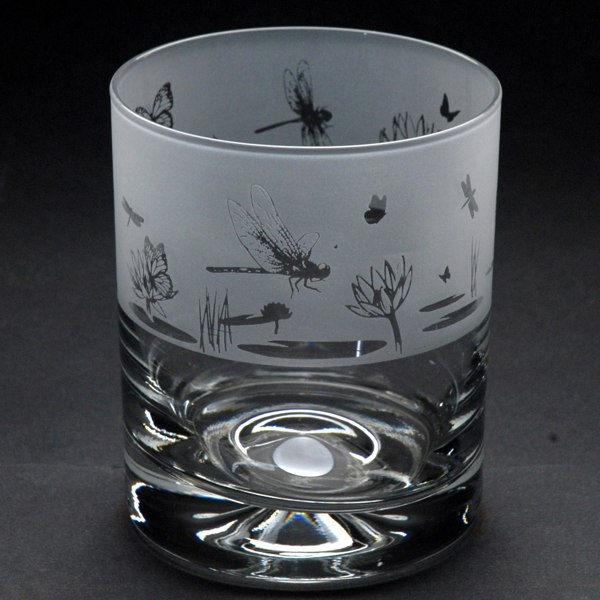
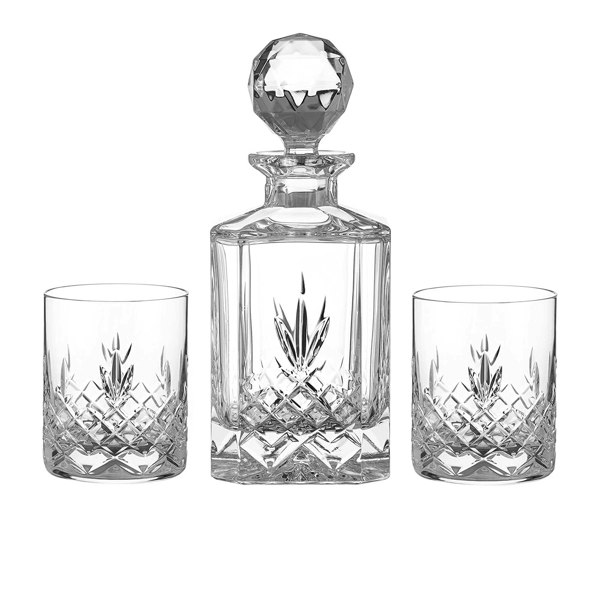
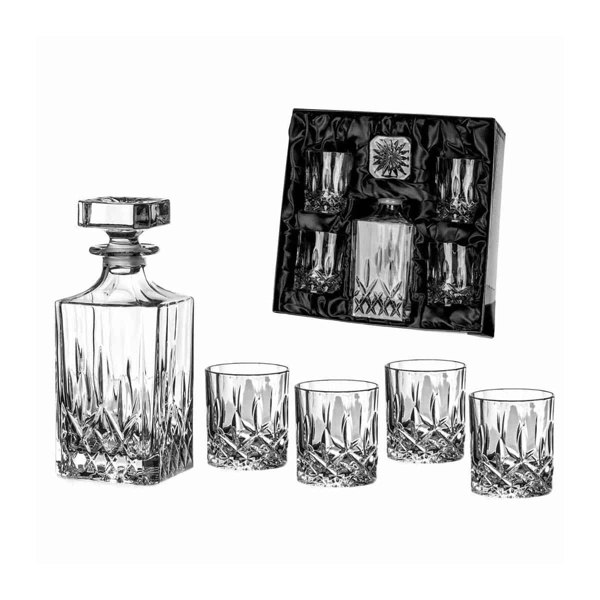
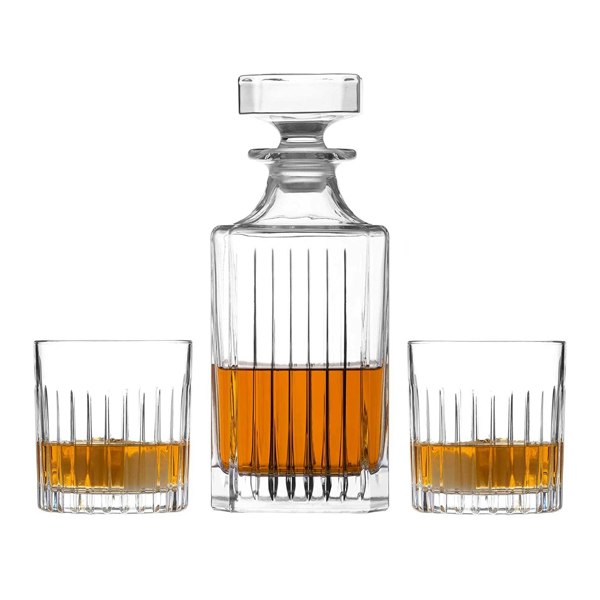
(227)Toast in style with our curated whisky glasses collection, where craftsmanship meets character. Choose from classic rocks tumblers, heavy-base Scotch glasses, or elegant cut crystal designs in clear, smoky or etched finishes. Featuring standout names like Diamante, Glyptic Glass Art and Luigi Bormioli, each piece combines durability with refined form—ideal for sipping single malts, blended whisky or crafted cocktails.
CloseFilters

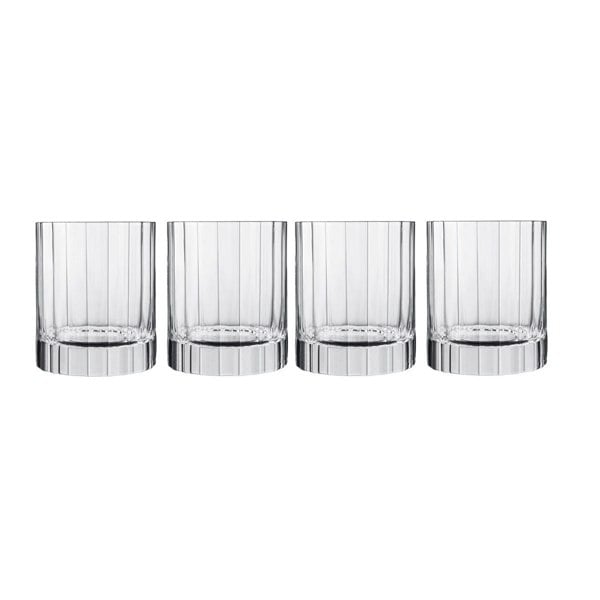
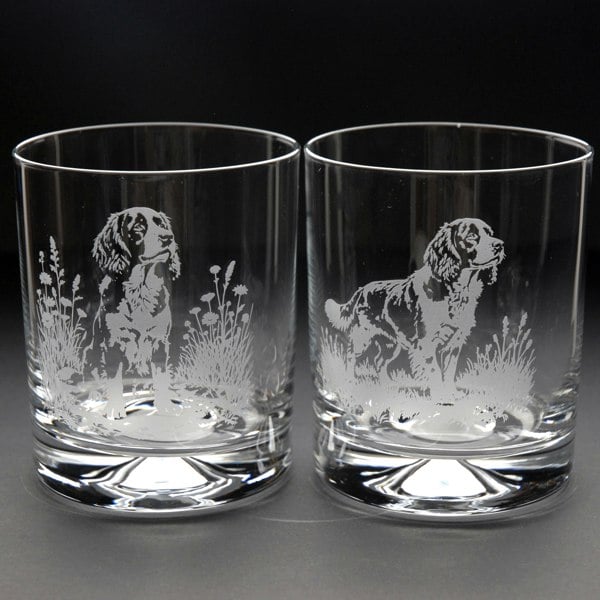
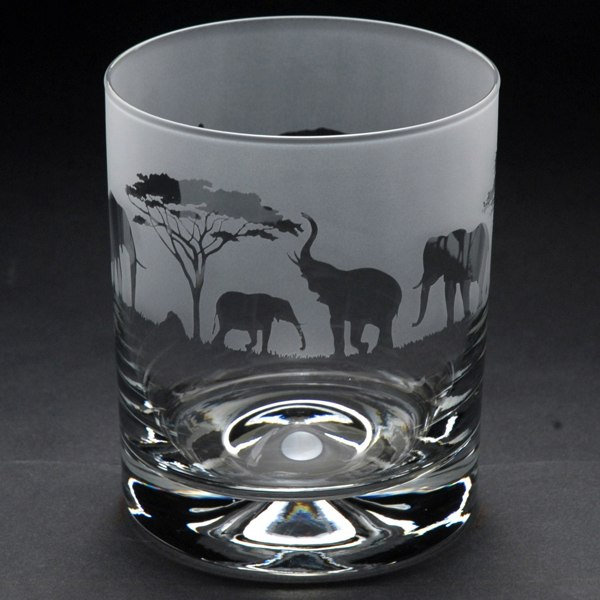
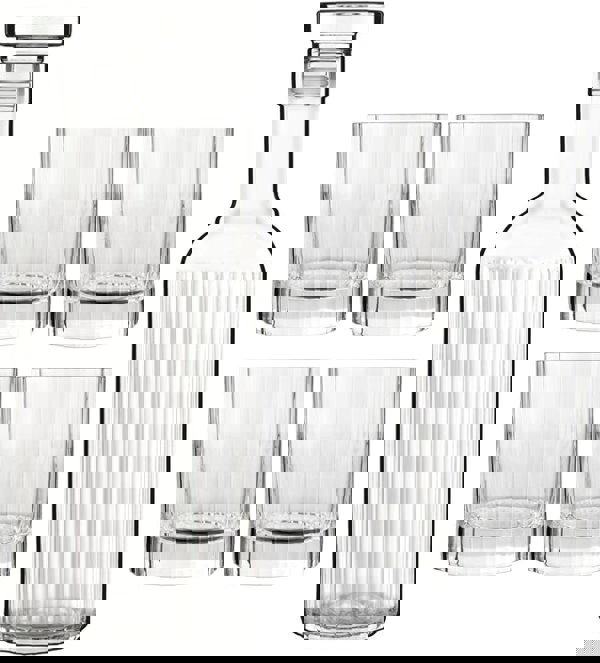
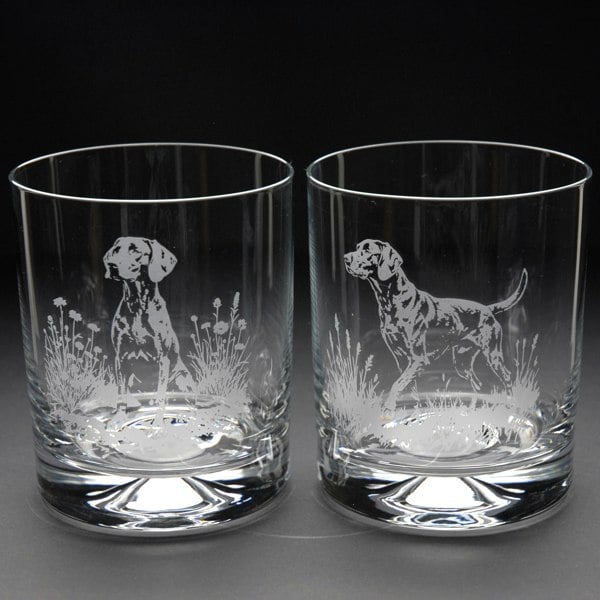
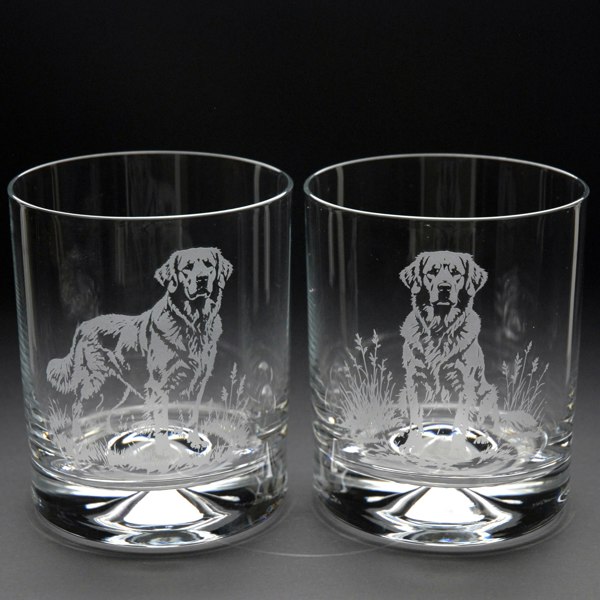
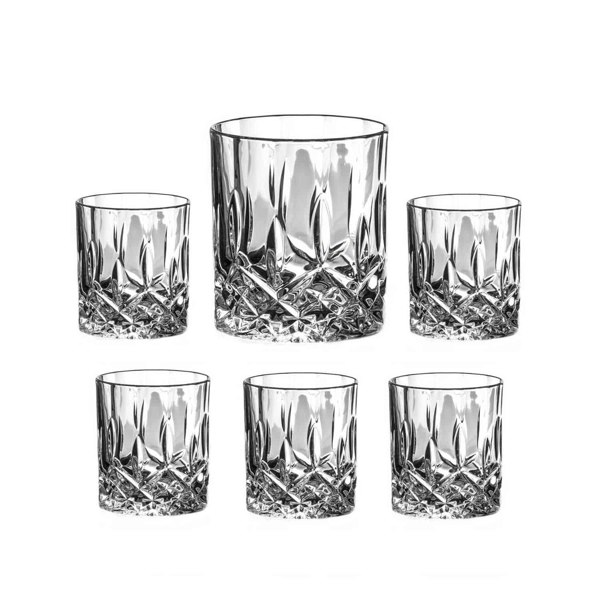
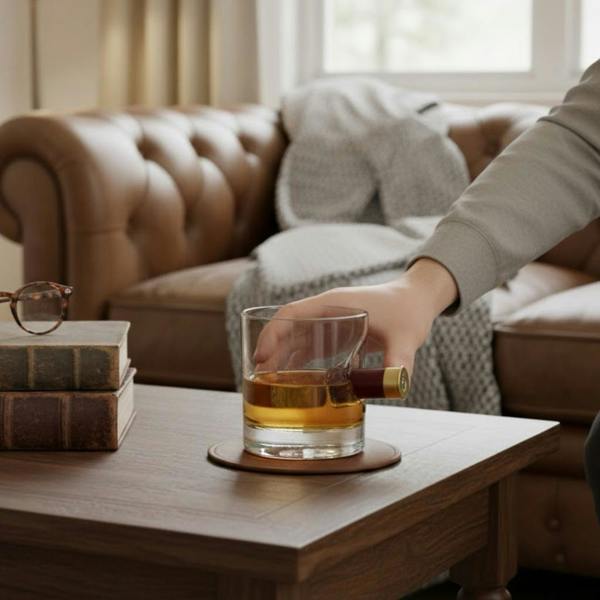
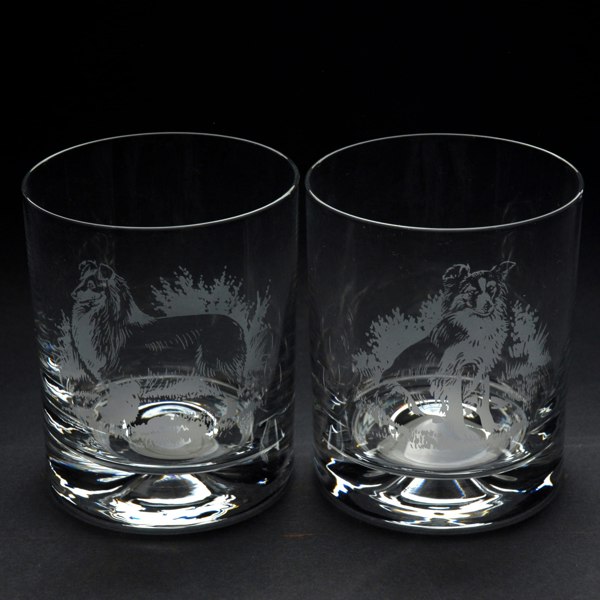
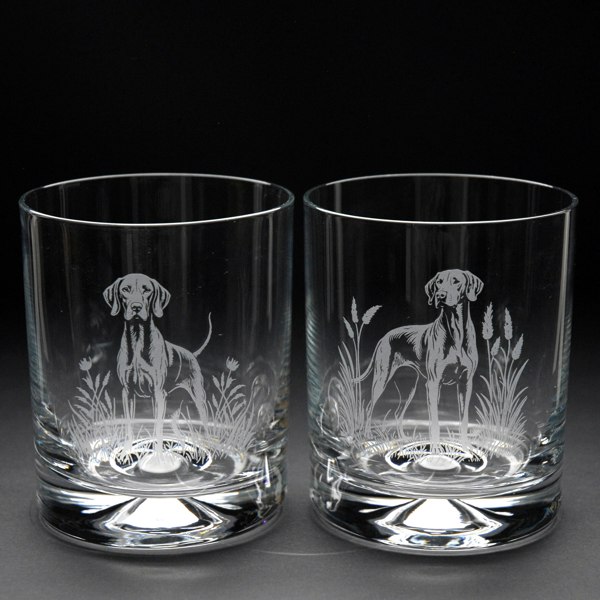
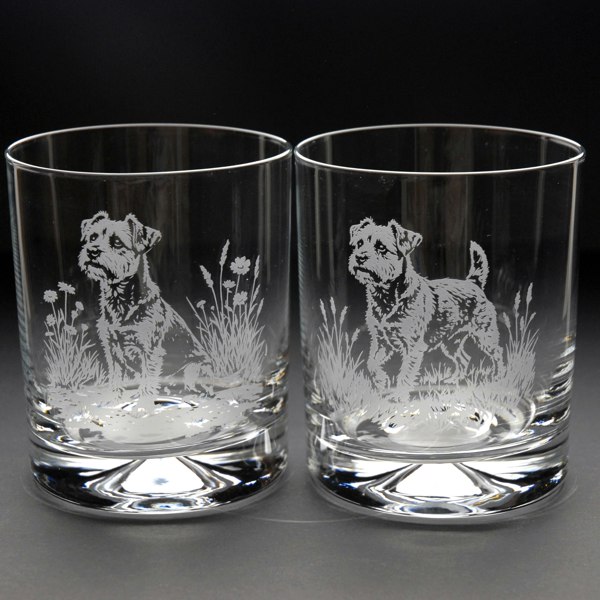
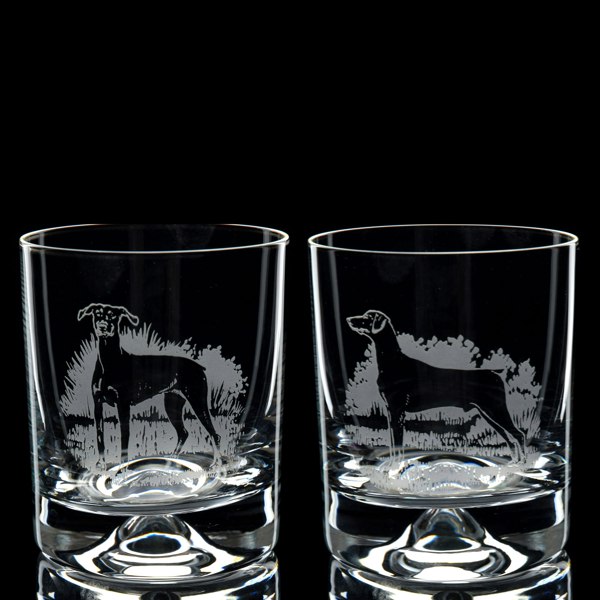
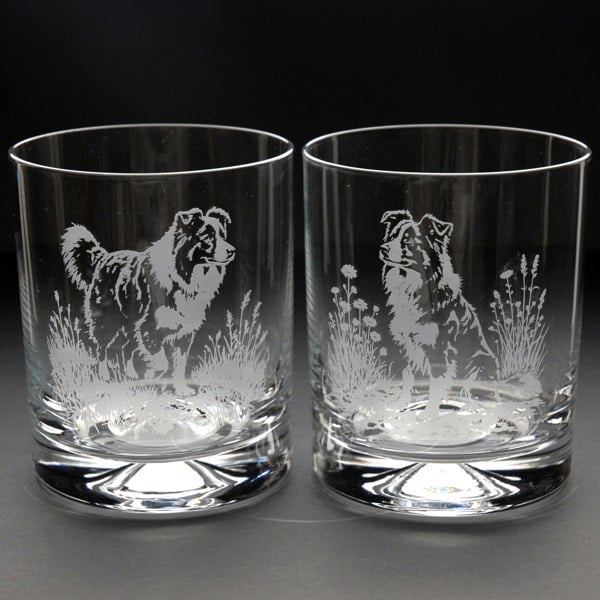
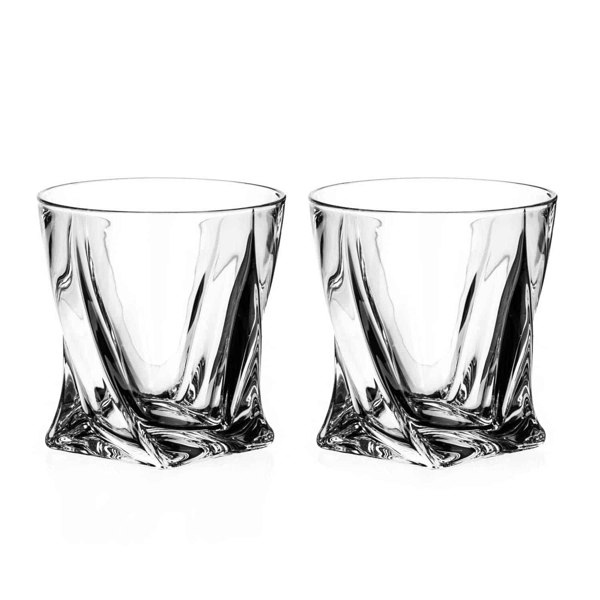
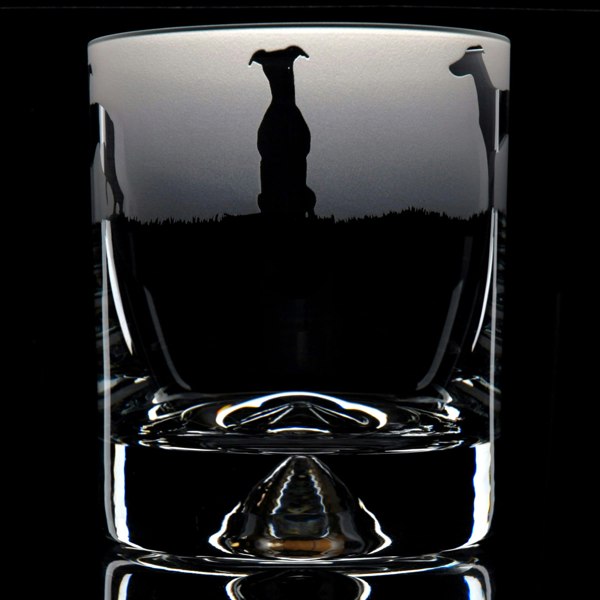
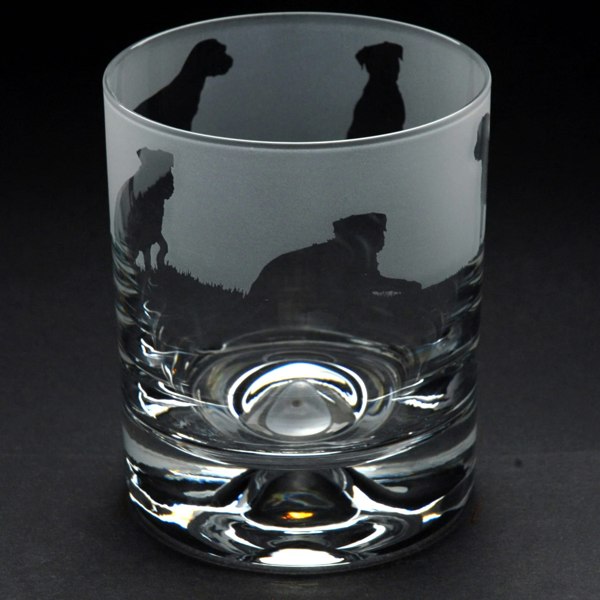
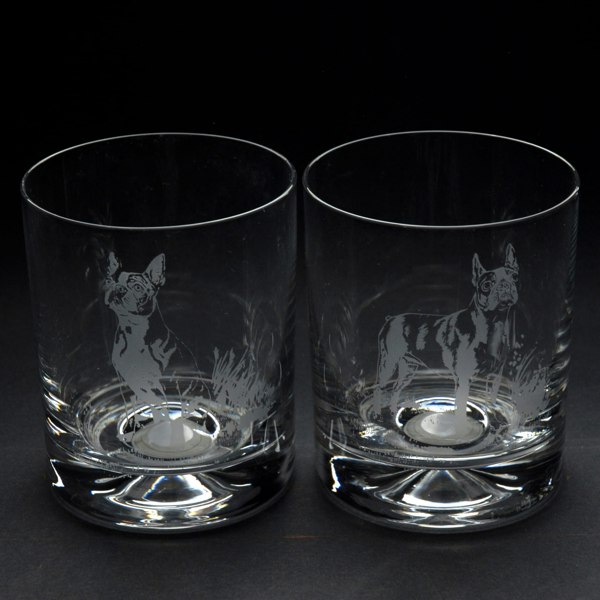
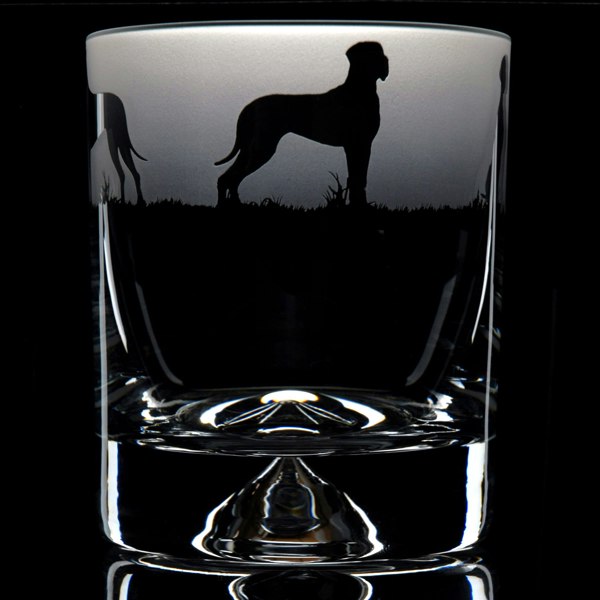
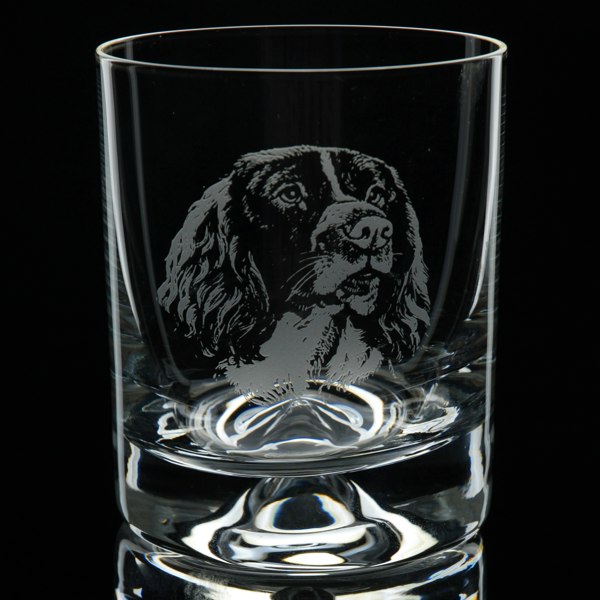
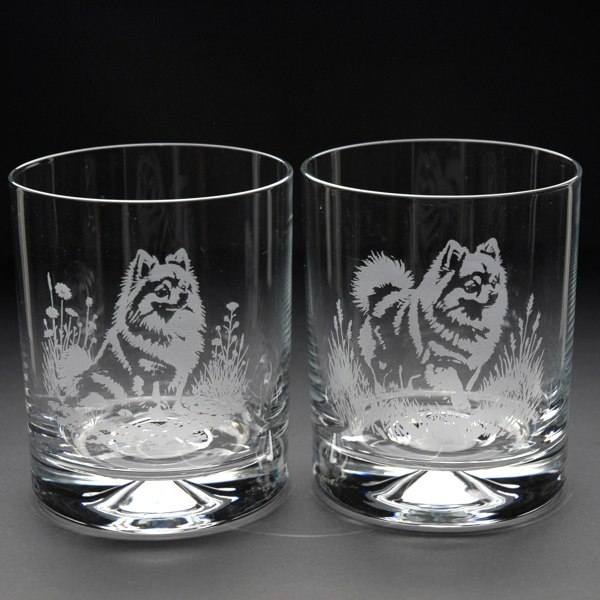
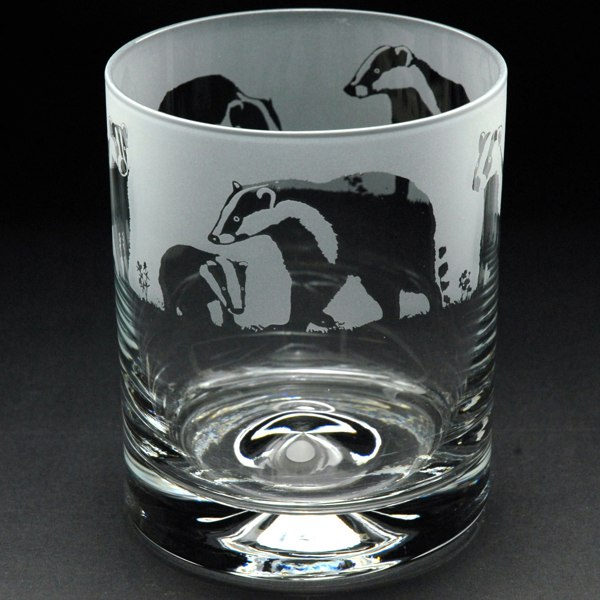
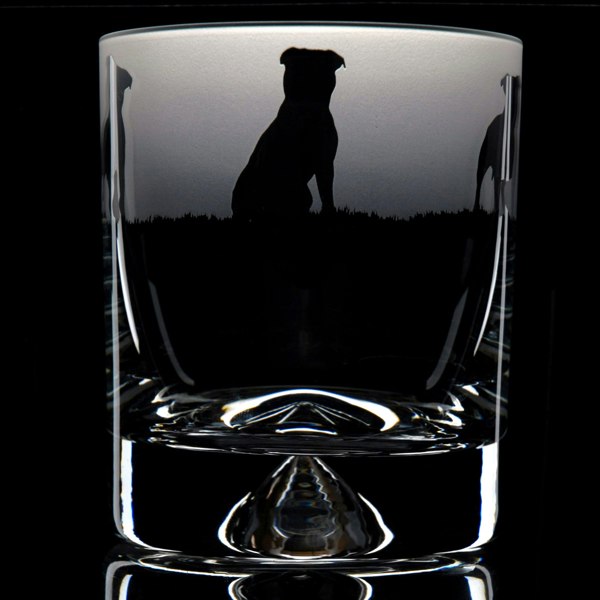
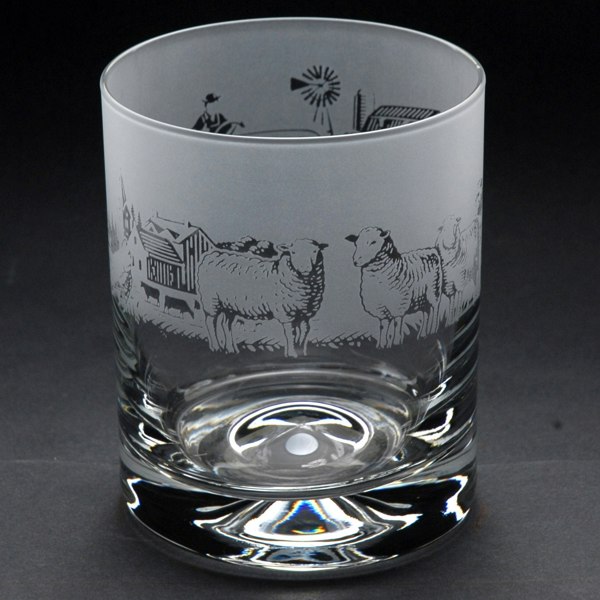
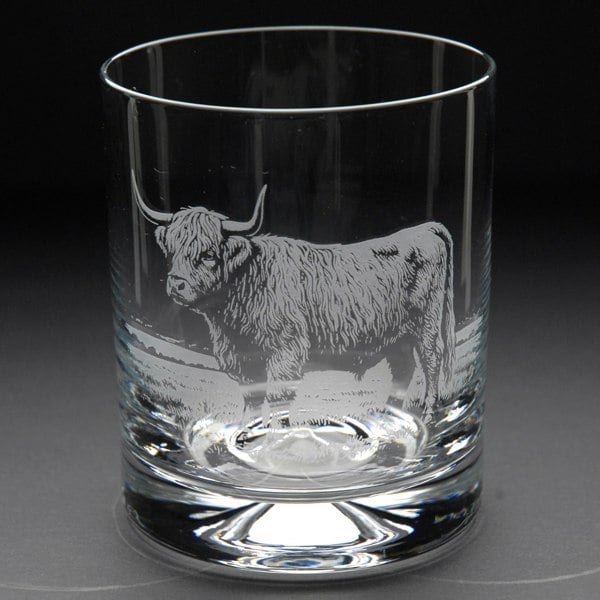
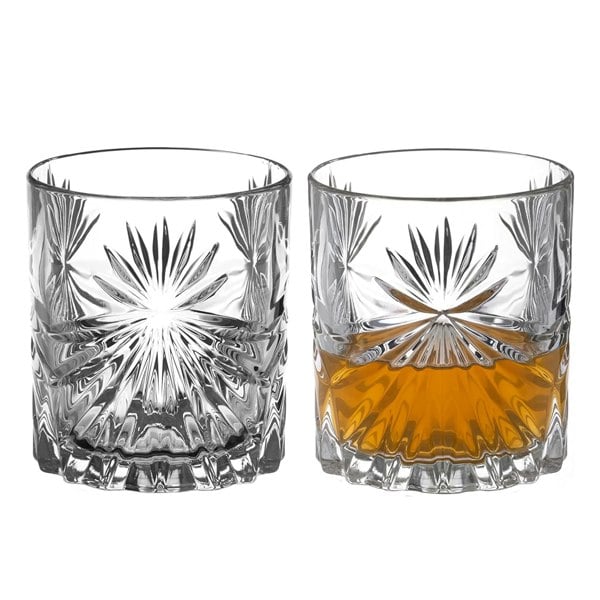
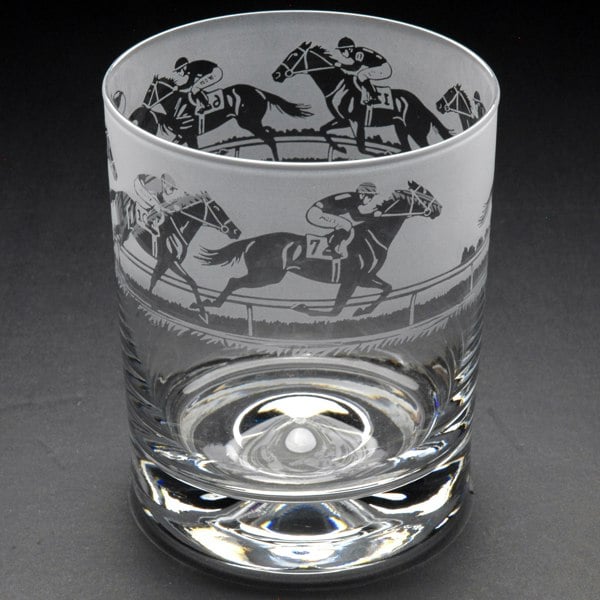
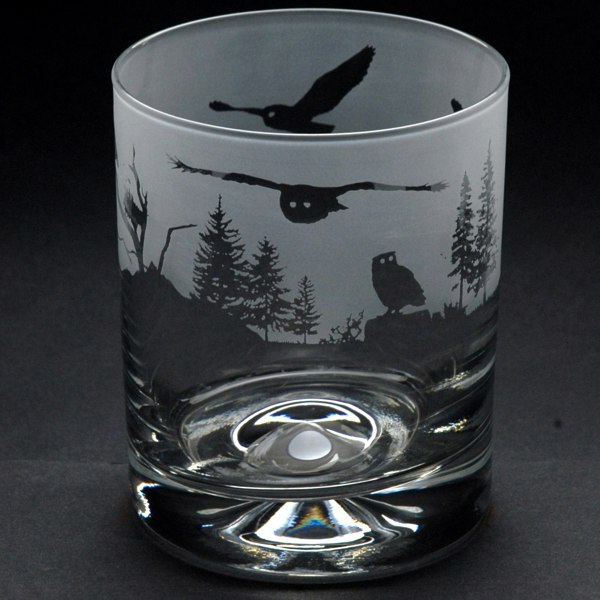
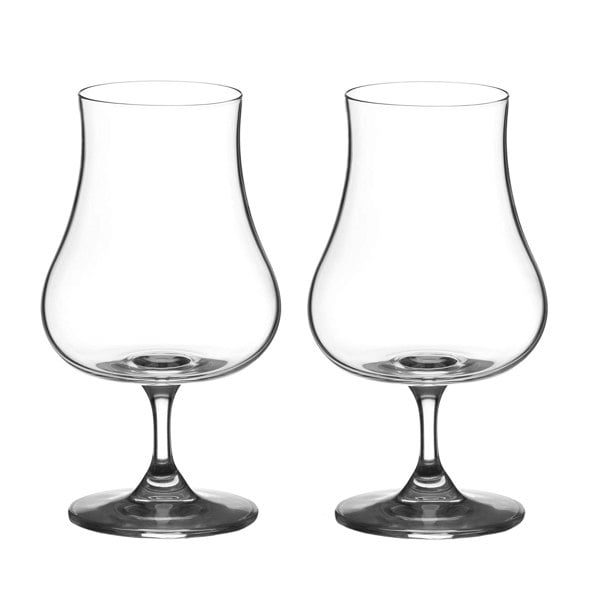
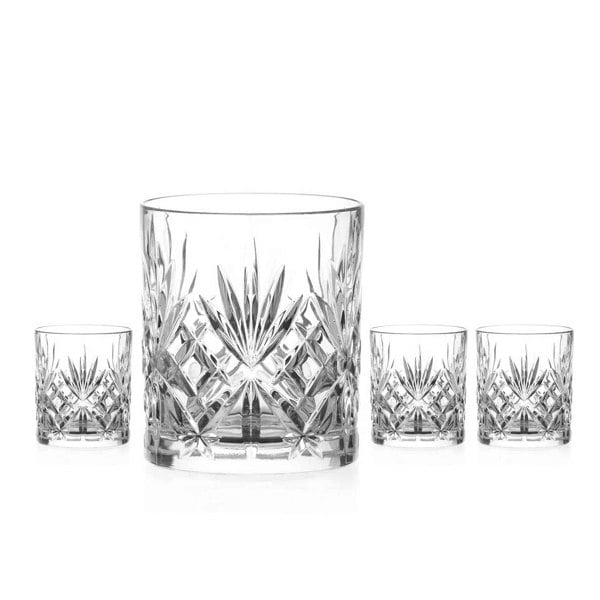
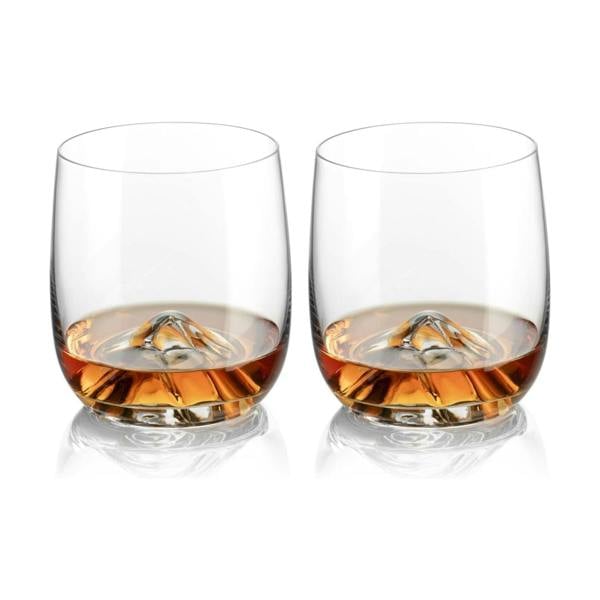
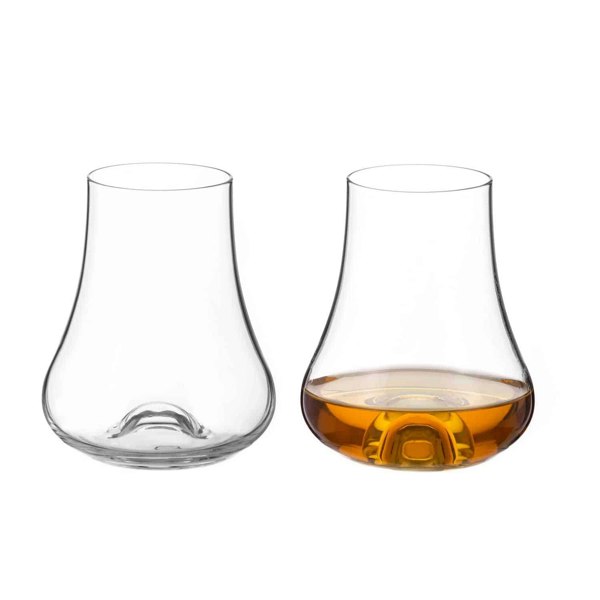
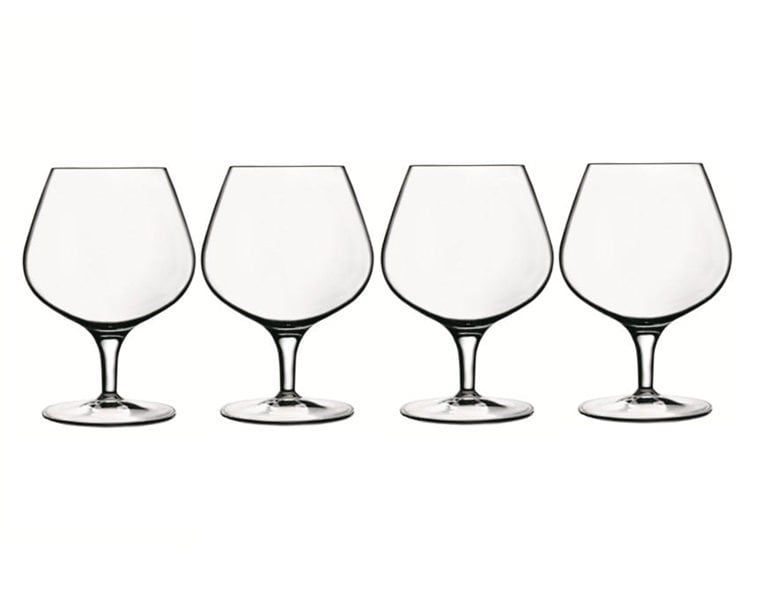
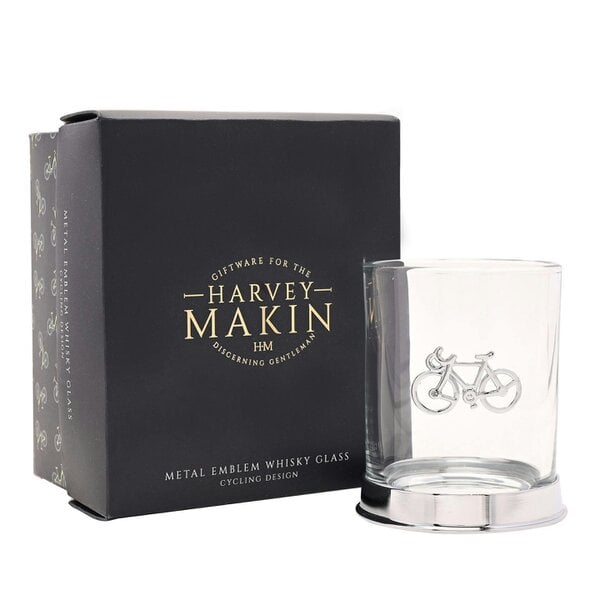
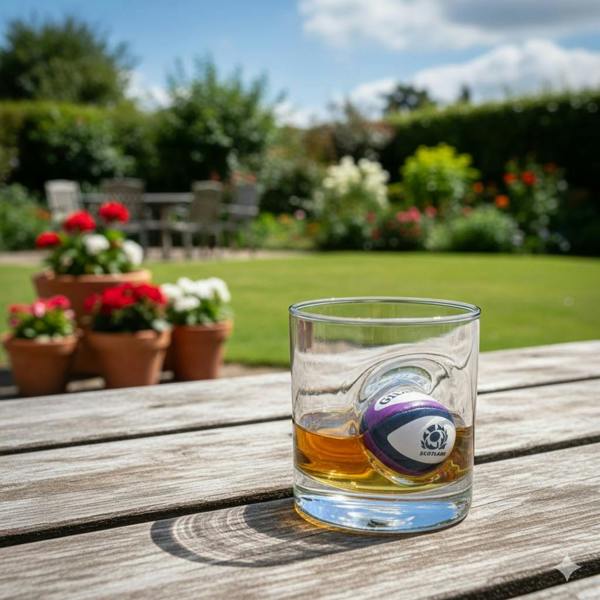
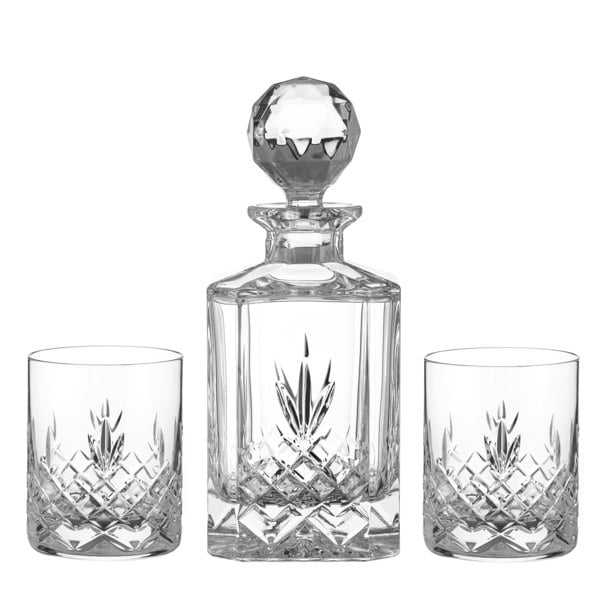
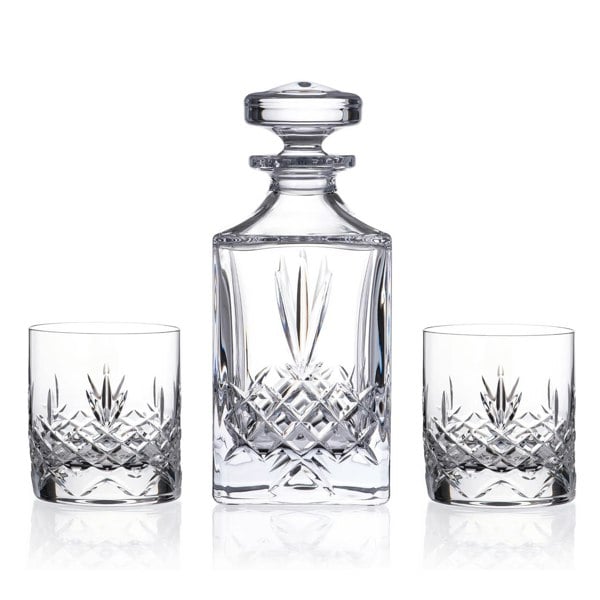
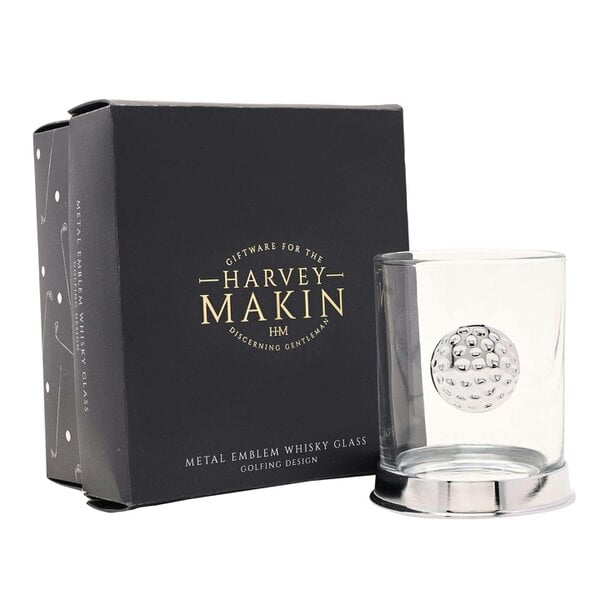
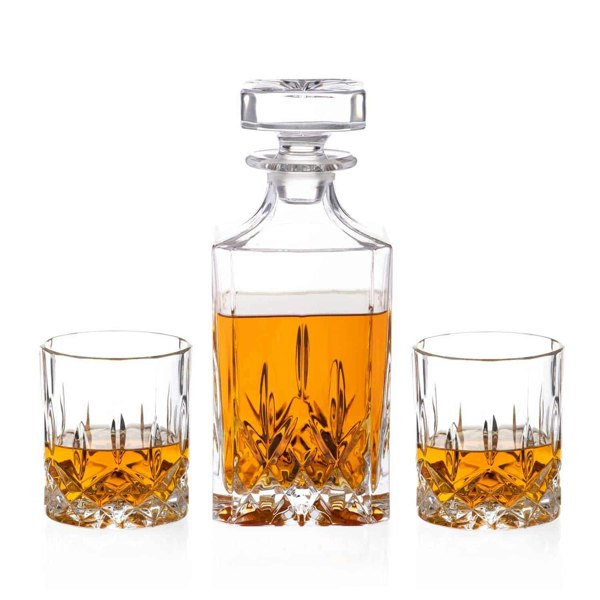
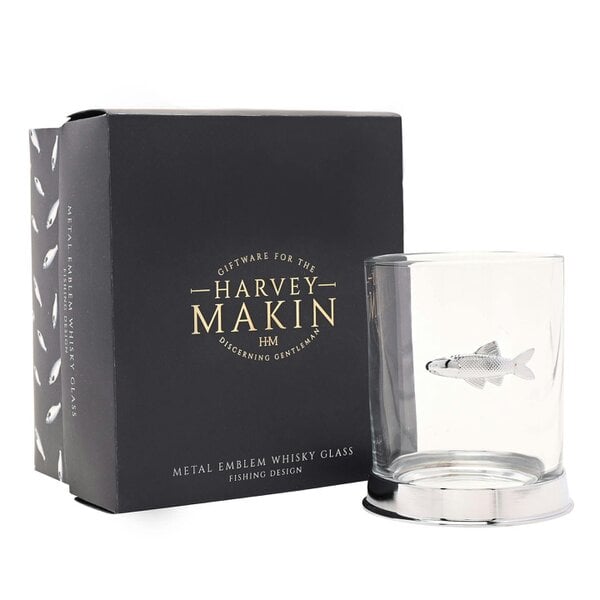
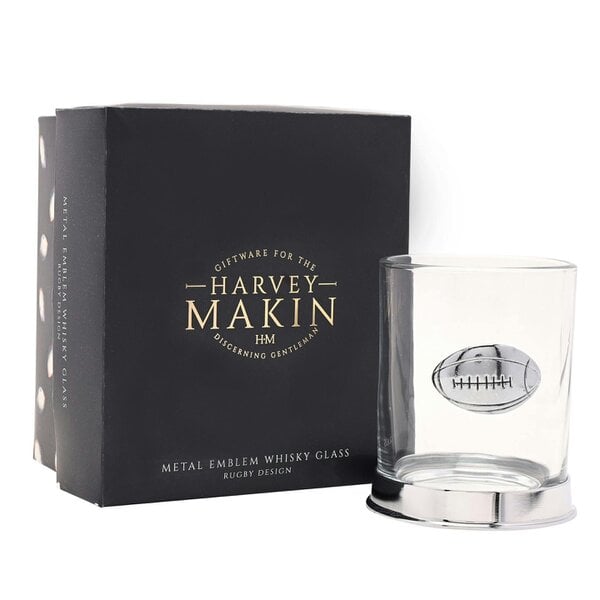
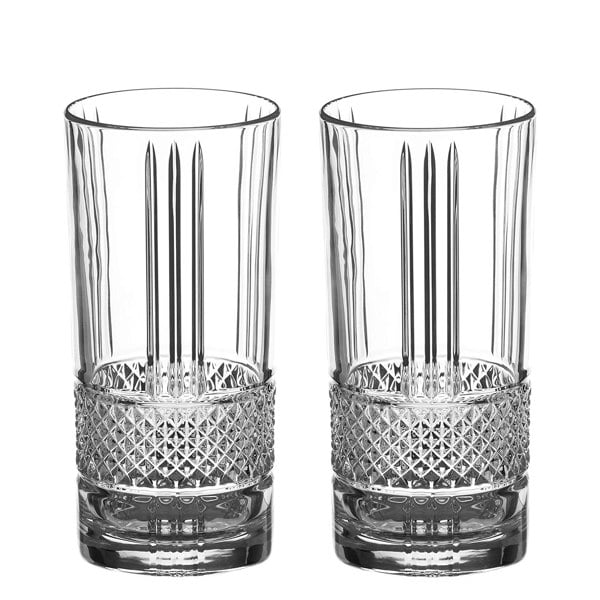
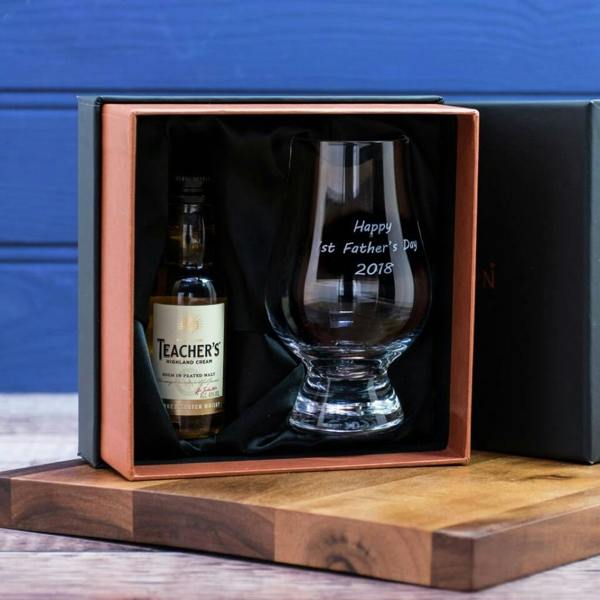
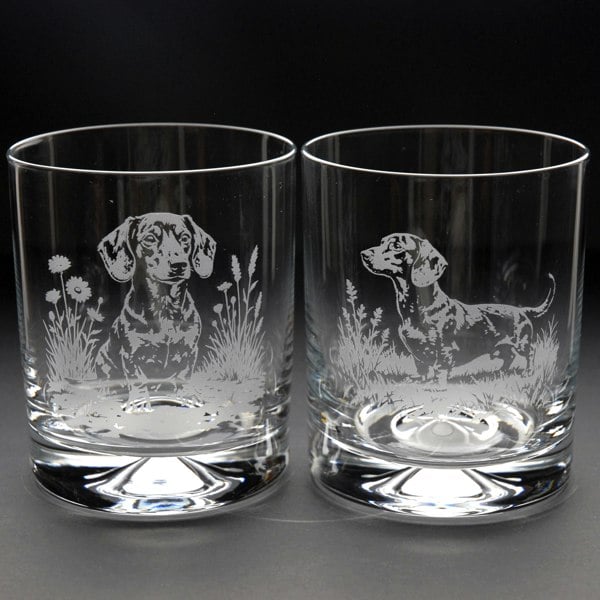
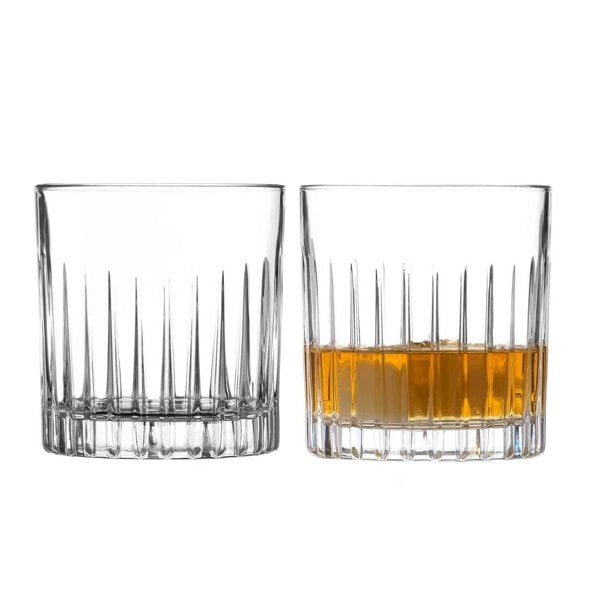
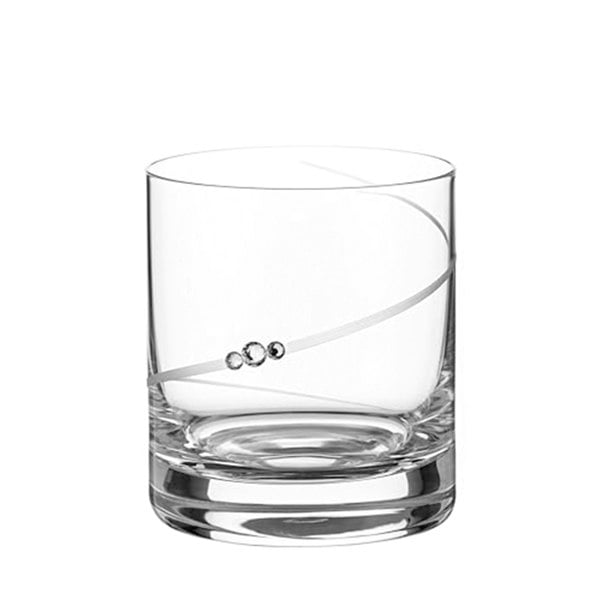
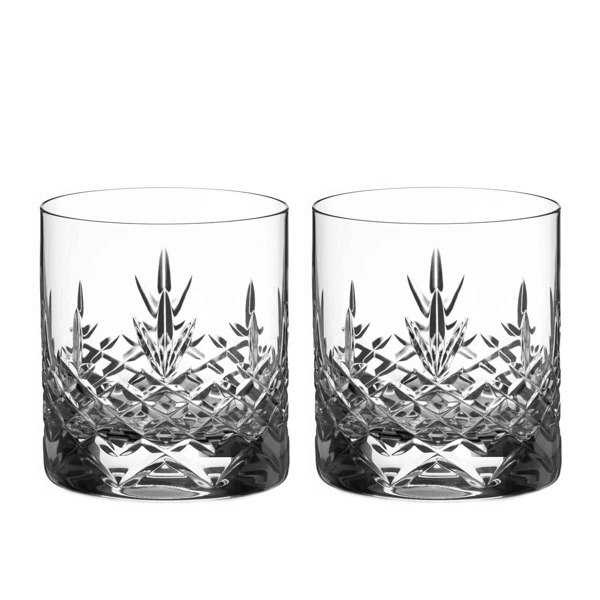
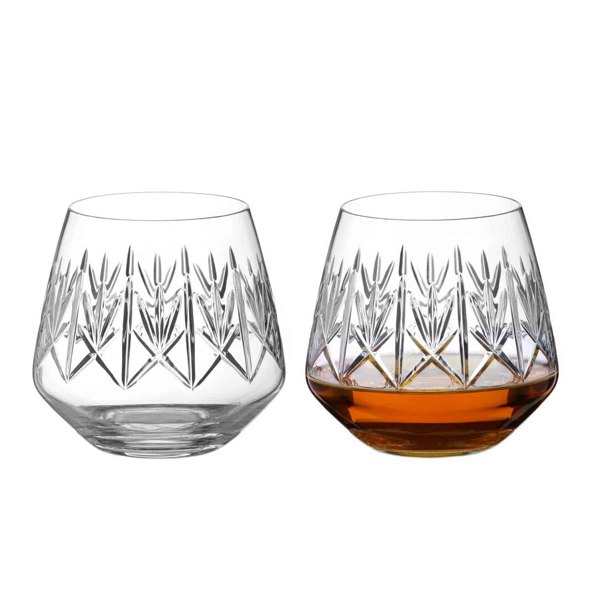
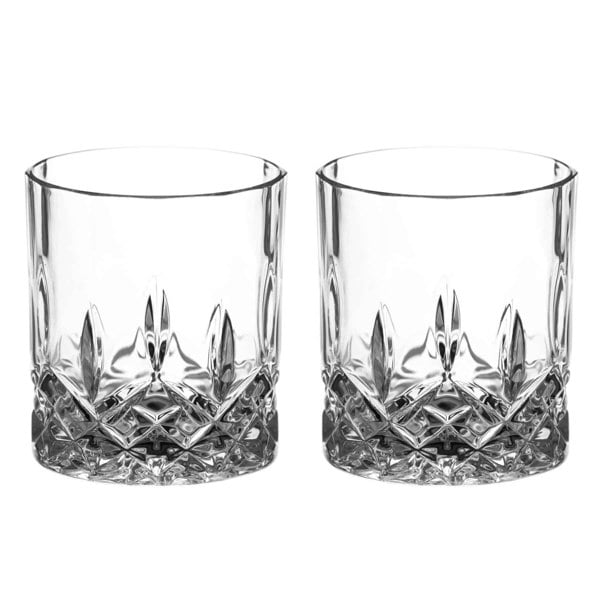
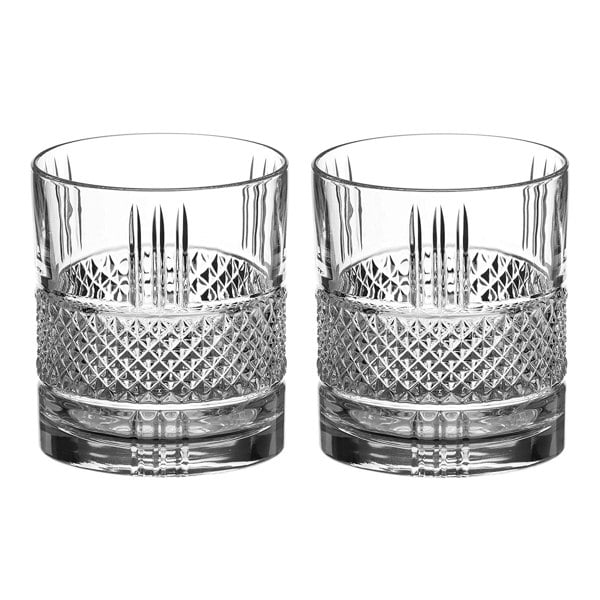
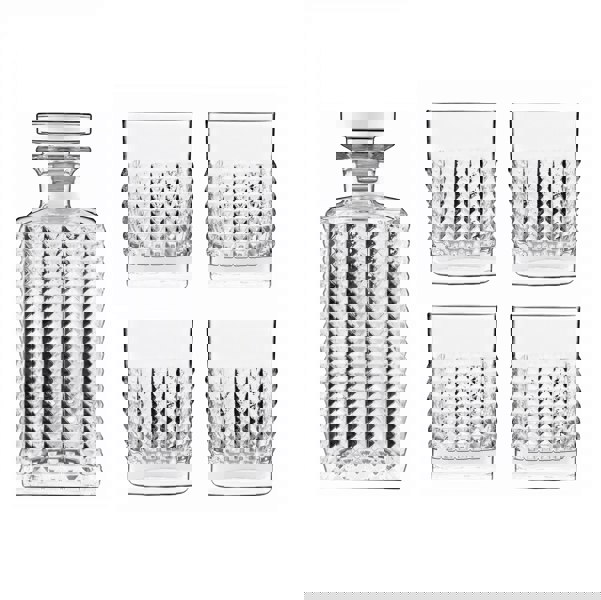
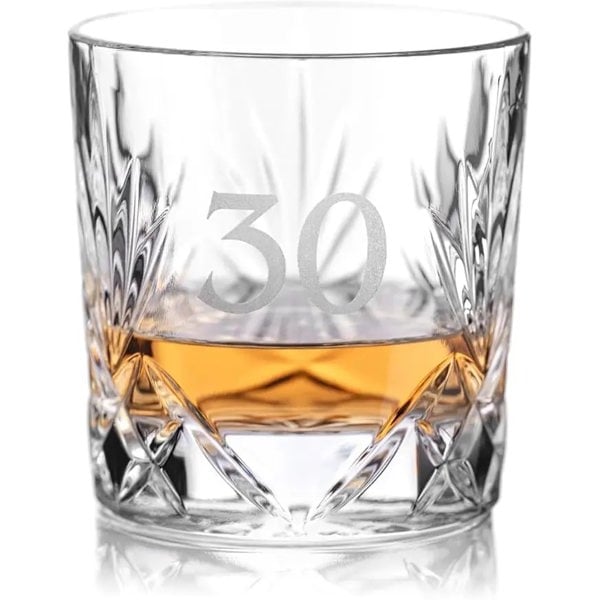
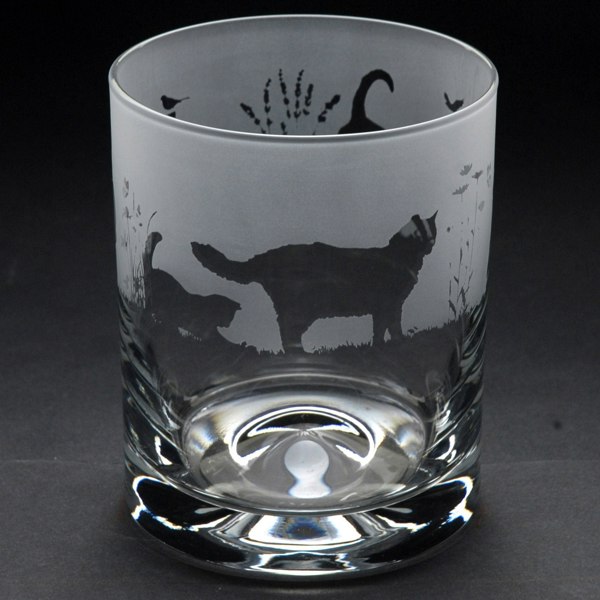
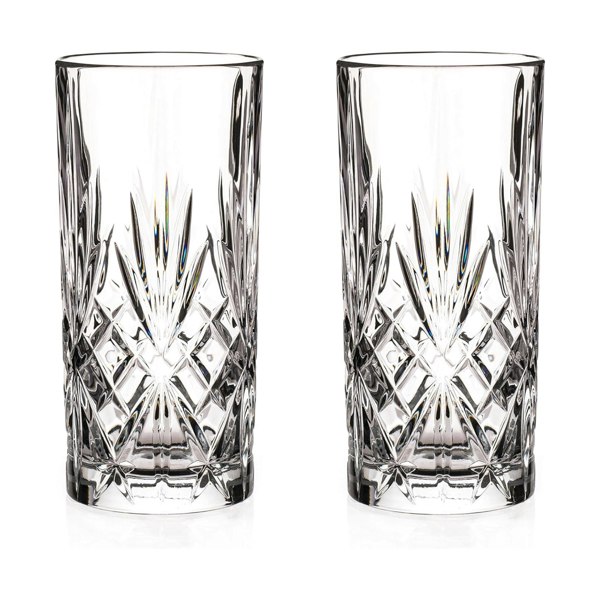
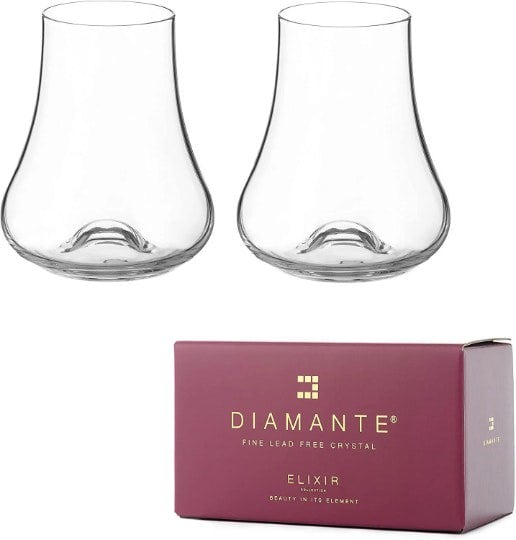
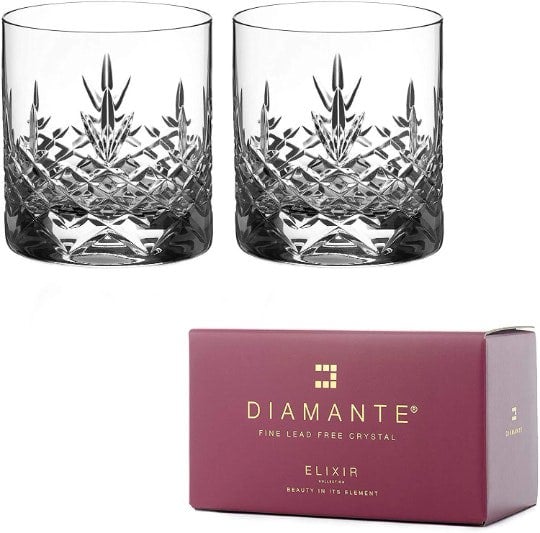
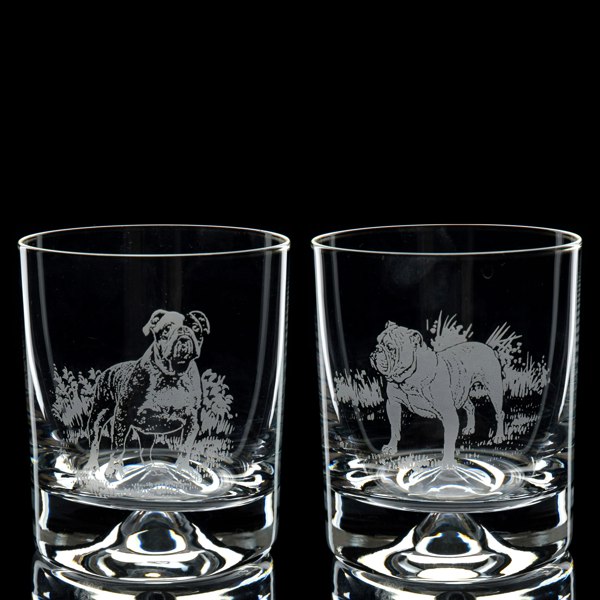
When it comes to enjoying a fine dram, the right whisky glass is essential. Whether you’re savouring a rare single malt, indulging in a blended whisky, or mixing a cocktail, the glass you use can significantly enhance the experience. At Rackhams, we offer a wide selection of luxury whisky glasses designed to elevate your drinking ritual. In this guide, we’ll take you through everything you need to know about choosing the perfect whisky glass, including different styles, materials, and even the intriguing history behind the spelling of whisky versus whiskey.
What Are the Different Types of Whisky Glasses?
There are several types of whisky glasses, each suited to different types of whisky and drinking occasions. Here are the most common styles you’ll come across:
Tumblers (Old-Fashioned Glass): The classic tumbler, also known as the old-fashioned glass, is probably the most familiar whisky glass. It has a wide, sturdy base and is perfect for serving whisky neat, on the rocks, or in cocktails. Its broad surface allows the whisky to breathe and makes it a popular choice for those who enjoy a more casual sipping experience.
Glencairn Glass: A favourite among whisky connoisseurs, the Glencairn glass is designed to enhance the whisky-drinking experience by concentrating the aromas. It has a tulip shape with a tapered neck that directs the whisky’s scent towards your nose, making it ideal for sipping and tasting. The Glencairn glass is great for those who want to savour the full range of aromas in their whisky.
Copita Glass: Similar to the Glencairn glass but with a longer stem, the Copita is traditionally used by whisky tasters and is known for its ability to concentrate the whisky’s aromas. The narrow bowl directs the scents towards the nose, and the long stem keeps your hand away from the bowl, preventing the whisky from warming up too quickly. This glass is ideal for whisky tastings or when you want to focus on the whisky’s complexities.
Whisky Tasting Glass: A smaller, more refined version of the Glencairn or Copita glass, whisky tasting glasses are often used in professional whisky tastings. They are designed to enhance the sensory experience by concentrating the aromas and allowing the taster to appreciate the whisky’s subtle notes. These glasses typically have a wider base and narrower top to focus the scent.
Highball Glass: Although traditionally associated with cocktails, the highball glass is sometimes used for serving whisky when it’s mixed with soda or ginger ale. Its tall, slim shape is perfect for mixing and enjoying refreshing whisky-based drinks. Highball glasses are a good choice for those who prefer lighter, more refreshing whisky cocktails.
Whisky Snifter: Snifters are typically used for brandy or cognac, but they can also be used for whisky. They have a short stem and a wide bowl that allows you to swirl the whisky and release its aromas. The wider bowl helps concentrate the whisky’s fragrance, and the shape allows for the liquid to be swirled easily without spilling. Snifters are best suited for those who like to slowly savour their whisky.
Why Are There Two Spellings: Whisky vs. Whiskey?
The spelling of whisky or whiskey can be a bit confusing, as both terms are commonly used, but they refer to different types of whisky and are rooted in historical differences.
Whisky (without the “e”): The spelling “whisky” is used in Scotland, Canada, and Japan. It’s the traditional spelling used for Scotch whisky, as well as for whisky produced in these countries. The use of “whisky” is generally associated with whisky that is distilled from malted barley and aged for several years.
Whiskey (with the “e”): The spelling “whiskey” is used primarily in Ireland and the United States. Irish whiskey and American whiskey (including bourbon and rye) are typically made using a combination of grains, such as corn, rye, and barley. The addition of the “e” is thought to be a result of Irish distillers differentiating their product from Scotch whisky during the 19th century.
The difference in spelling is more than just a matter of language; it’s a reflection of the different traditions and methods of production in the respective countries. Regardless of the spelling, both whisky and whiskey offer a rich and varied experience, and the right glass can help you appreciate all the nuances in each.
© 2026 Rackhams Retail Limited
Follow us


Pay securely with:


Terms & Conditions Cookie Settings Privacy Policy