

 0
0

 Free Delivery on all orders!
 The Rackhams Guarantee
Gazebos, Pergolas & Canopies: Which Outdoor Structure Is Right for You?
Creating a comfortable, usable outdoor space isn’t just about choosing the right furniture, it’s also about how you protect it from sun, rain, and changing weather. Whether you’re dining outside, relaxing with friends, or enjoying your garden with family, the right structure can make your outdoor area feel like a true extension of your home.
Gazebos, pergolas and canopies all offer different ways to add shade, shelter, and style to your garden. Some provide full weather protection for year-round use, while others offer lighter, more flexible cover for sunny days and special occasions. Understanding the differences makes it much easier to choose a structure that suits both your space and how you like to use it.
This guide walks you through the main options, helping you decide which type of outdoor structure will work best for your garden, your lifestyle, and the way you enjoy spending time outside.
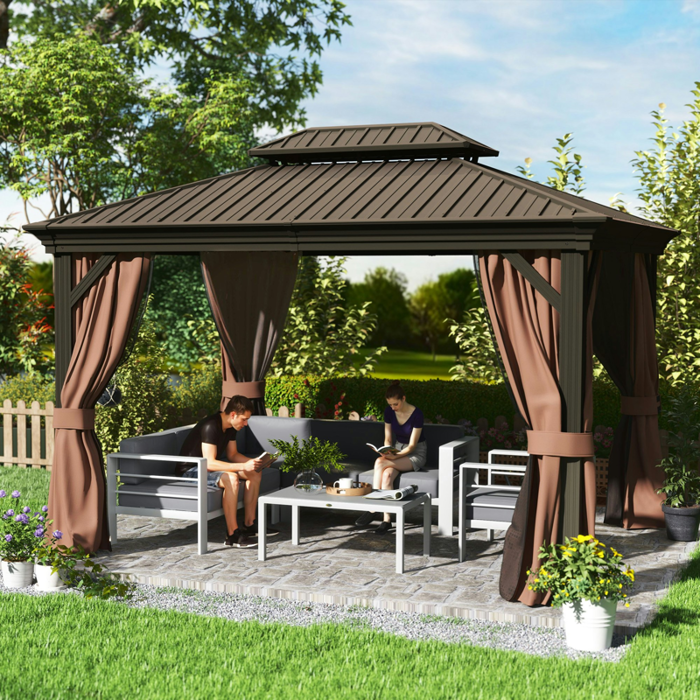
Creating usable outdoor space
Outdoor structures play a key role in turning a garden from an occasional sitting area into a space you can use regularly and comfortably. While open gardens are beautiful, direct sun, light rain, and changing weather can limit how often you’re able to enjoy them. Adding shade and shelter helps create an environment where outdoor furniture, dining, and relaxation feel just as practical as being indoors.
A well-placed structure makes it easier to spend longer outside, whether that’s enjoying a family meal, hosting friends, or simply relaxing with a book. It also protects your garden furniture and cushions from strong sunlight, falling debris, and sudden showers, helping them stay cleaner and last longer.
Beyond practicality, gazebos, pergolas, and canopies also help define your outdoor space. They can create a focal point for dining, a cosy seating area, or a shaded retreat away from the rest of the garden, adding both structure and style to how your outdoor area is laid out.
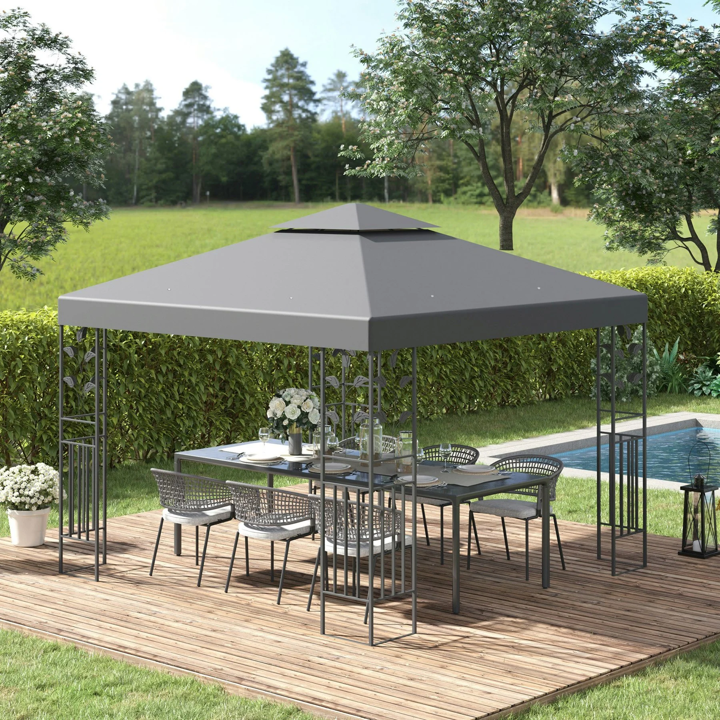
Understanding the main types of outdoor structures
Before choosing an outdoor structure, it helps to understand the differences between the main options. While gazebos, pergolas, and canopies all provide shade and shelter, they do so in very different ways and suit different types of gardens and lifestyles.
Gazebos
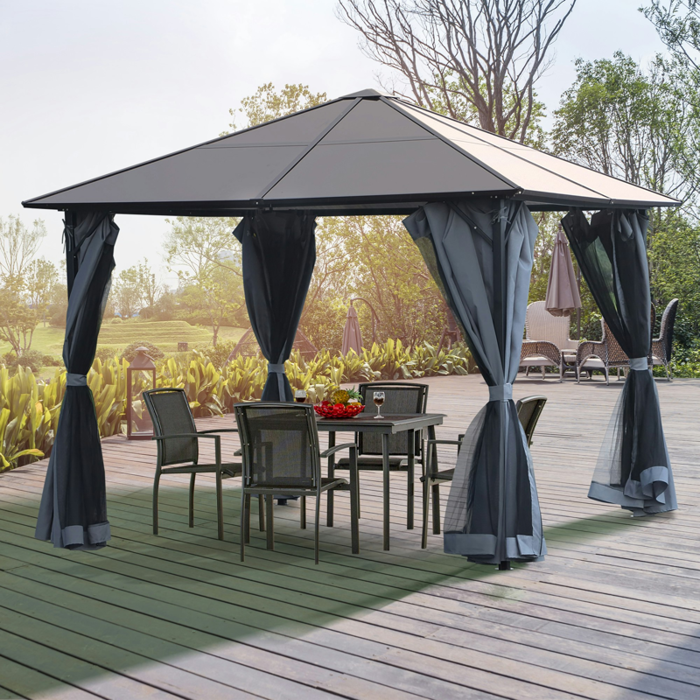
A gazebo is a freestanding structure with a solid or fabric roof and open sides, often with optional curtains, panels, or mesh screens. It provides the highest level of shelter among outdoor structures, making it ideal for creating a true outdoor room that can be used for dining, relaxing, or entertaining in a wide range of weather conditions.
Because gazebos offer overhead cover as well as side protection, they’re especially popular for seating areas, outdoor dining tables, and even hot tubs. Many designs can be left in place for much of the year, helping you enjoy your garden for longer without worrying about sudden showers, strong sun, or falling debris.
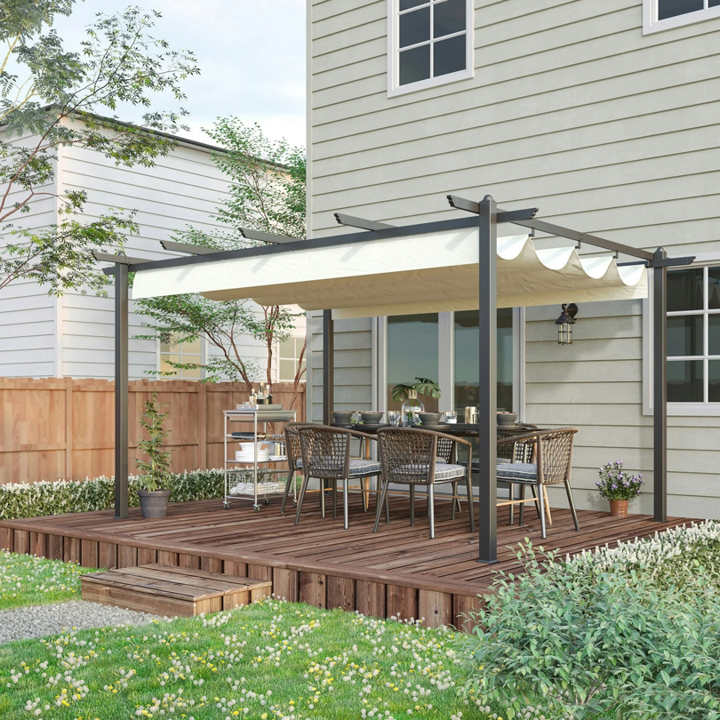
Pergolas
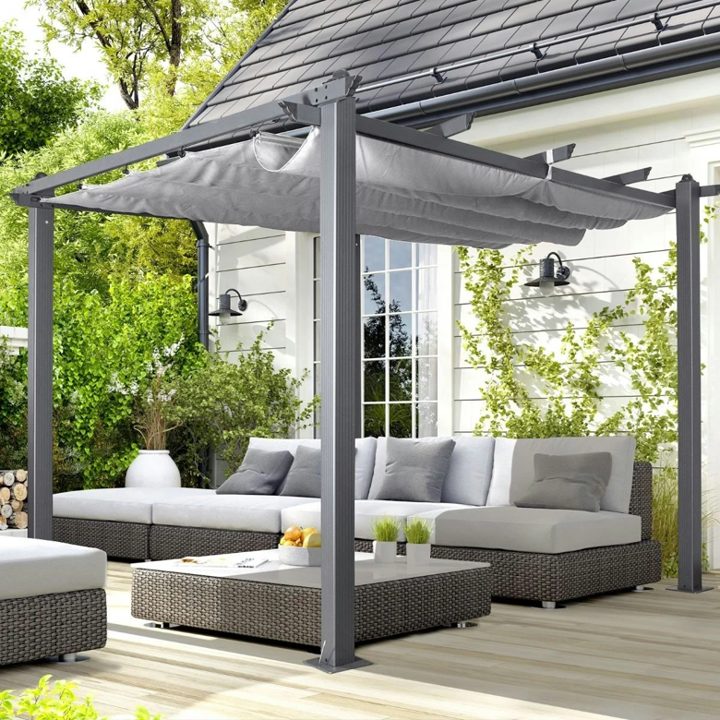
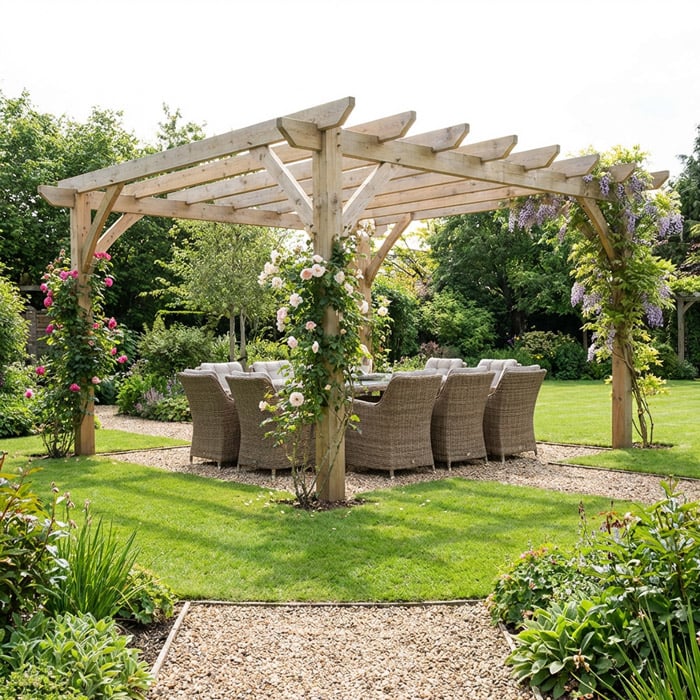
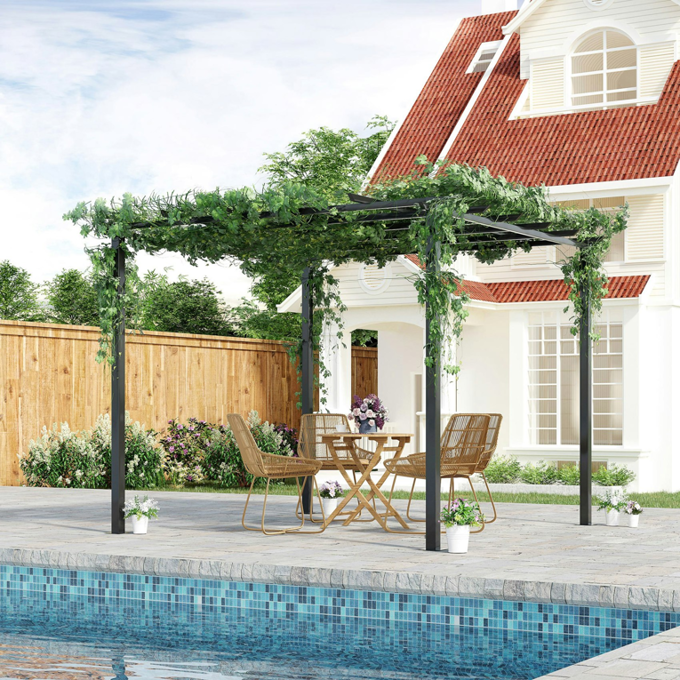
A pergola is a more open, architectural structure, typically made from wood or metal, with a slatted or partially open roof. Rather than fully enclosing a space, pergolas provide filtered shade and a strong visual framework that helps define an area of the garden without blocking out light or views.
Pergolas are often used to create elegant outdoor dining spaces, relaxed lounge areas, or walkways through the garden. They can be enhanced with fabric canopies, climbing plants, or side screens, allowing you to adjust the level of shade, privacy, and shelter depending on how you use the space.
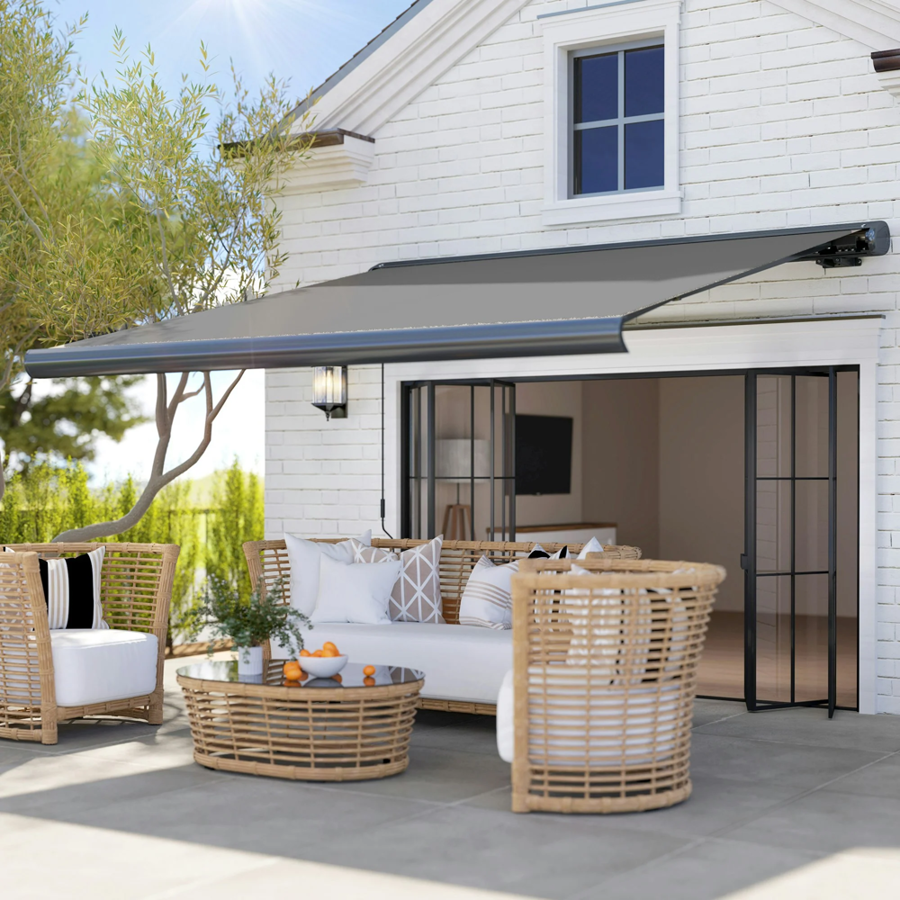
Canopies
A canopy is a lighter, more flexible form of shelter, usually made from a fabric roof supported by a simple frame.
Unlike gazebos or pergolas, canopies are designed to be easy to set up, move, and take down, making them ideal for temporary shade or seasonal use.
Canopies are a great choice for smaller gardens, rented homes, or situations where you want shade without committing to a permanent structure. They work well over seating areas, dining tables, or play spaces, and can be stored away when not needed, giving you flexibility without sacrificing comfort.
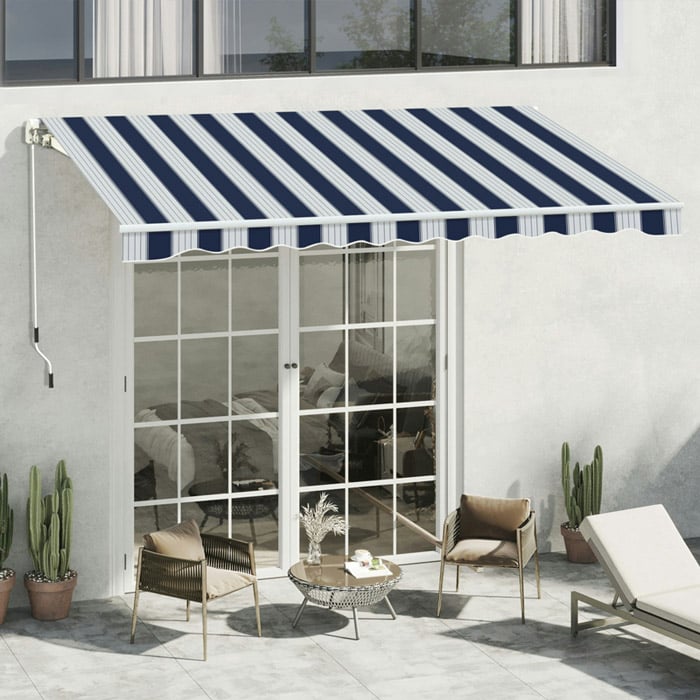
Some gardens also use awnings, which are fixed to the side of a building and extend outwards to create shaded patio areas. While different in design, they serve a similar purpose to canopies by providing adjustable protection from sun and light rain.
Understanding how these structures differ in permanence, coverage, and appearance makes it much easier to choose the right option for your garden and how you plan to use it.
When a gazebo is the right choice
A gazebo is the best option when you want to create a more permanent, fully usable outdoor space. If your garden is a place for regular entertaining, outdoor dining, or relaxing with family and friends, the added shelter a gazebo provides makes it far easier to enjoy your furniture and your garden, whatever the weather.
Because gazebos offer both overhead cover and the option of side panels or curtains, they work particularly well for dining tables, lounge sets, and hot tubs. They help protect furniture and cushions from rain, strong sun, falling leaves, and bird droppings, keeping everything cleaner and more comfortable with far less effort.
Gazebos are also ideal if you like to use your garden in the evenings or during cooler months. The enclosed feel helps block wind and retain warmth, especially when paired with outdoor heaters or soft lighting. For many people, a gazebo becomes a true outdoor room, a defined area of the garden that feels just as inviting as being indoors.
Expert tip: Think of a gazebo as an outdoor room
If you plan to dine, entertain, or relax outside regularly, a gazebo gives you the most flexibility. It creates a sheltered zone that makes your furniture more usable across changing weather and seasons.
When a pergola is the better option
A pergola is ideal when you want to add structure, style, and definition to your garden without fully enclosing the space. If you enjoy the feeling of being outdoors but still want some relief from direct sun, a pergola provides a balanced solution that offers shade while keeping your garden open and airy.
Pergolas work especially well for creating designated zones within larger gardens, such as a dining area, a seating space, or a walkway between different parts of the garden. The open roof design allows light to filter through, making the area feel bright and natural rather than closed in. Many people also enhance pergolas with fabric canopies, climbing plants, or side screens to add extra shade, privacy, or wind protection when needed.
If your garden style leans towards a more architectural or landscaped look, a pergola can become a striking feature that ties the whole space together. It provides a strong visual frame for outdoor furniture, helping your dining or lounge area feel intentional, organised, and part of a well-designed outdoor living space.
Expert tip: Use pergolas to define zones
In larger gardens, pergolas are an excellent way to create a sense of structure. Positioning one over a dining table or seating area helps anchor the space and makes your garden feel more thoughtfully designed.
When a canopy makes more sense
A canopy is the right choice when you want flexible, practical shade without committing to a permanent structure. If you enjoy spending time outside but don’t need year-round shelter, a canopy offers an easy way to make your garden more comfortable during sunny days, summer gatherings, or special occasions.
Canopies are particularly well suited to smaller gardens, patios, and rented homes, where installing fixed structures isn’t always possible. They’re also ideal for people who like to change their garden layout or move furniture around, as canopies can be repositioned, folded away, or stored when not in use.
For occasional entertaining, such as barbecues, garden parties or children’s play areas, a canopy provides instant shade and light rain protection without taking up permanent space. It’s a simple, cost-effective way to make your outdoor area more usable whenever you need it.
Expert tip: Choose flexibility when your needs change
If you like to rearrange your garden, host occasional events, or simply want shade when the weather is at its best, a canopy gives you the freedom to adapt your space without a fixed installation.
Choosing based on how you use your garden
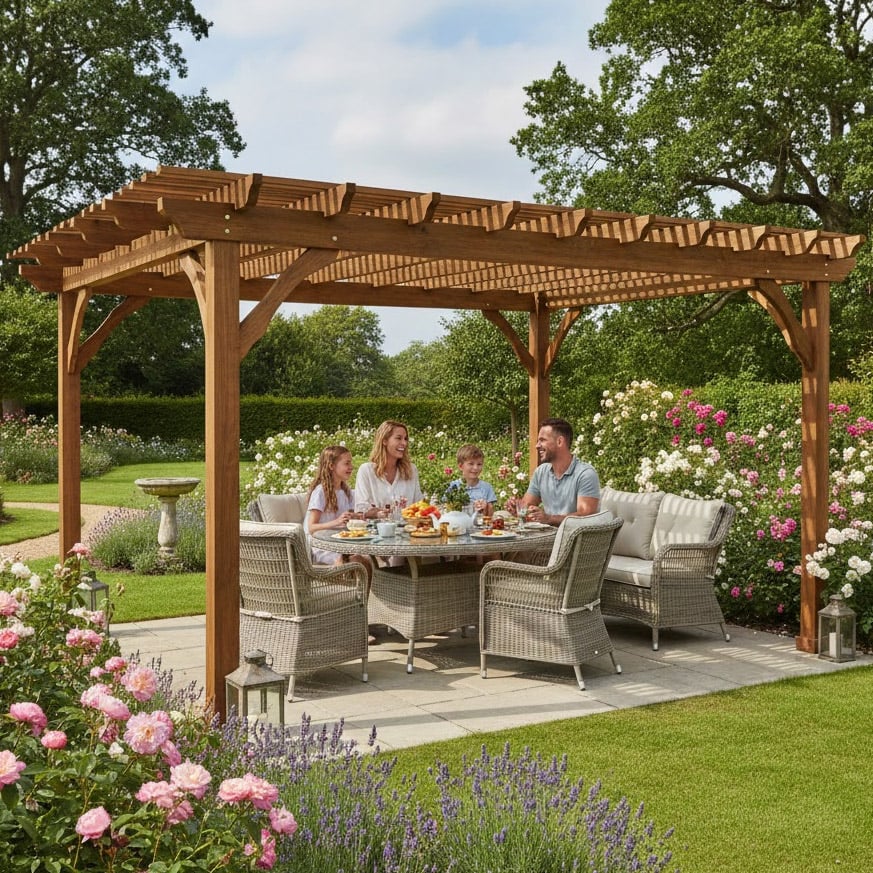
The best outdoor structure for your garden isn’t just about size or style, it’s about how you actually spend time outside. Thinking about how you use your outdoor space on a day-to-day basis makes it much easier to choose a structure that will feel right in the long run.
If your garden is a place for outdoor dining and entertaining, a gazebo or pergola over a dining table creates a comfortable setting for meals, parties, and family gatherings.
These structures provide shade during the day and help protect against light rain or cooler evening air, allowing you to enjoy dining outside for longer.
For lounging and relaxing, placing a pergola or gazebo over a sofa set creates a shaded retreat where you can read, chat, or unwind without being in direct sun. It turns a standard seating area into a calm, comfortable space that feels intentionally designed rather than simply placed in the garden.
Gazebos provide a more enclosed feel, offering extra shelter from wind and light rain as well as greater privacy from neighbouring gardens. Pergolas, by contrast keep the space open and connected to the rest of the garden while still providing relief from overhead sun. Both options allow you to enjoy your seating area for longer throughout the day, especially during warmer months.
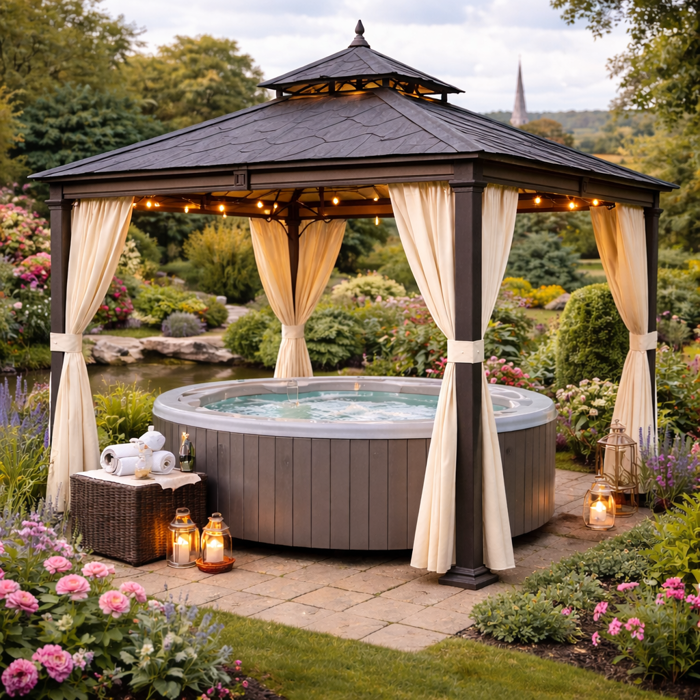
If you have a hot tub or spa, a gazebo is often the best choice. The roof and optional side panels help create a cosy, sheltered environment that protects against wind, improves privacy, and makes the space more inviting all year round, whether you’re using it in summer evenings or colder months.
For family gardens and play areas, canopies and pergolas work especially well for creating shaded zones that protect children from strong sun while keeping the space light, open and easy to supervise. Whether it’s a seating area, a paddling pool or a play space, having a shaded section of the garden makes it more comfortable to spend time outdoors during warmer weather.
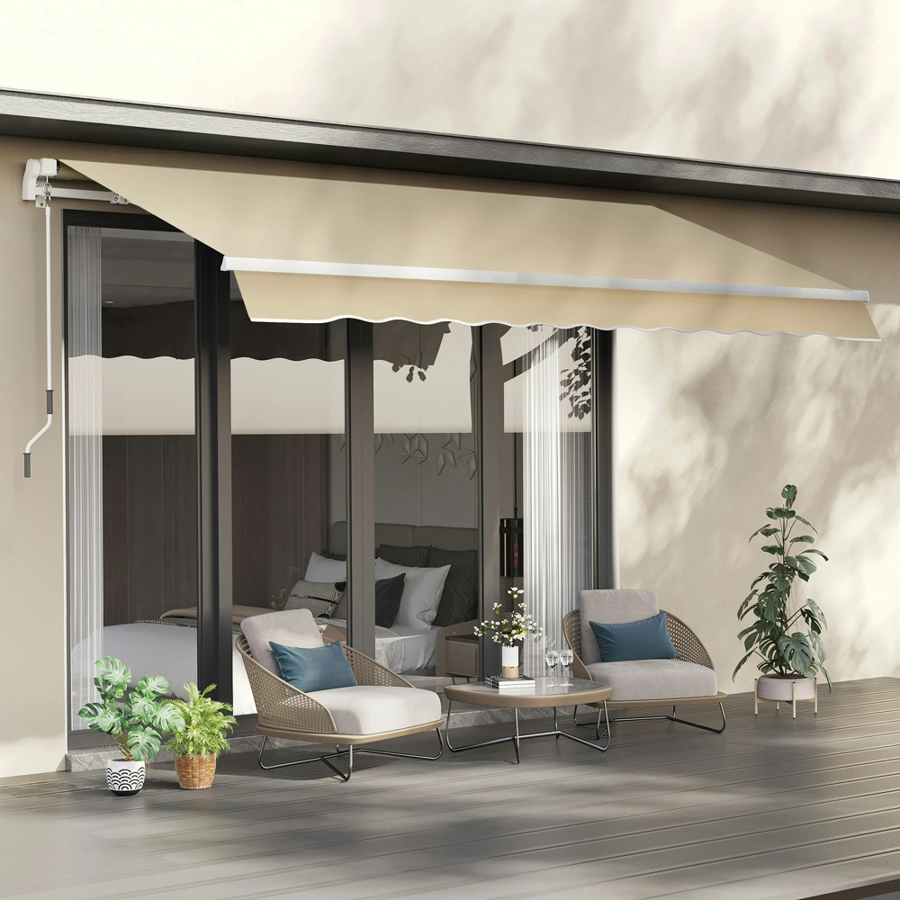
Canopies come in several forms, including pop-up gazebos, freestanding fabric canopies and wall-mounted awnings, giving you plenty of flexibility depending on your space. Freestanding canopies can be moved to follow the sun or repositioned as your garden layout changes, while awnings provide adjustable shade over patios or areas next to the house without taking up floor space.
These more flexible shade solutions are ideal if your garden is used in different ways throughout the day, from playtime and relaxation to dining and entertaining. They allow you to adapt your outdoor space quickly, making it more practical for everyday use without committing to a permanent structure.
By matching the structure to how you use your garden, you’re far more likely to create an outdoor space that feels natural, comfortable and easy to enjoy.
Expert tip: Plan for how you use the space most often
It’s tempting to choose based on occasional events, but prioritising everyday activities, whether that’s dining, relaxing or family time usually leads to a structure that gets used and enjoyed far more.
Space, positioning & size
Choosing the right outdoor structure isn’t just about style, it also needs to fit comfortably within your garden and work with how the space is laid out. Before deciding on a gazebo, pergola, or canopy, it’s important to measure the area where it will sit and think about how people will move around it.
Allow enough clearance around the structure for chairs to be pulled out, doors to open, and people to walk past comfortably. A structure that fills every inch of a patio can quickly feel cramped, even if it looks impressive. In most cases, it’s better to leave some breathing space around seating and dining areas so the garden still feels open and inviting.
Positioning also matters. Think about where the sun falls throughout the day, which areas of the garden are most exposed to wind, and where you naturally tend to sit or dine. Placing a structure over the part of the garden you use most, such as a dining table near the house or a seating area at the far end of the garden, ensures it adds real value rather than becoming a feature you rarely use.
Height is another consideration, particularly for pergolas and gazebos. A taller structure can feel more open and airy, while a lower one creates a more sheltered, intimate atmosphere. In smaller gardens, choosing a structure that doesn’t overwhelm the space helps maintain a balanced, well-proportioned look.
Expert tip: Measure your furniture as well as the space
When planning a structure, include the footprint of your table, chairs, or sofa set in your measurements. This ensures everything fits comfortably underneath with room to move around and enjoy the space.
Materials & maintenance
The material of your gazebo, pergola, or canopy affects not only how it looks, but also how much care it needs over time. Choosing the right material for your lifestyle and garden conditions helps ensure your outdoor structure stays looking good and performs well year after year.
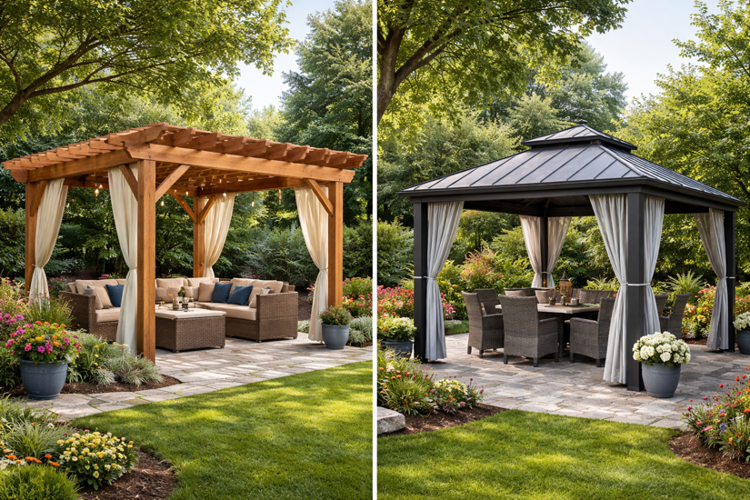
Metal structures, such as aluminium or steel, are popular for their strength, modern appearance and relatively low maintenance. Aluminium is especially well suited to outdoor use, as it won’t rust and is easy to clean. Steel frames are heavier and sturdier, but benefit from protective coatings to guard against moisture and corrosion.
Wooden pergolas and gazebos offer a warm, natural look that blends beautifully with garden surroundings. They can be stained, painted, or left to weather naturally, depending on the finish you prefer. Wood does require more ongoing care than metal, including occasional treatment to protect it from moisture and UV exposure, but many people feel the aesthetic is worth the extra attention.
Fabric roofs and side panels are commonly used on gazebos and canopies. These provide flexible protection from sun and light rain, but should be kept clean and dry where possible. During wetter months or when not in use for long periods, fabric covers are best removed or protected to prevent mildew and prolong their lifespan.
Thinking about how much time you want to spend on maintenance and how exposed your garden is to wind, rain, and sun will help guide you towards the most suitable material for your outdoor structure.
Expert tip: Protect fabrics when they’re not in use
Removing or covering fabric roofs and curtains during long periods of bad weather helps prevent staining and moisture damage, keeping them fresher for longer.
Shade, privacy & year-round use
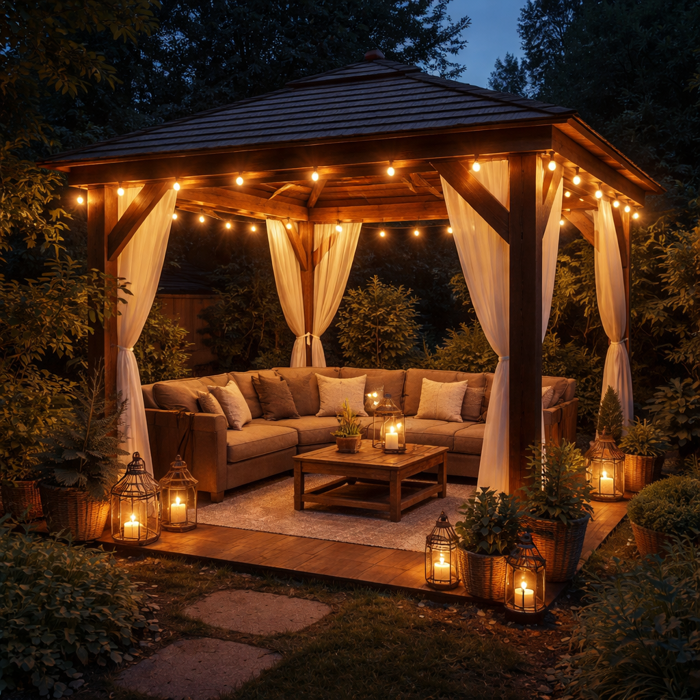
One of the biggest benefits of adding a gazebo, pergola, or canopy to your garden is how much it extends the time you can spend outside. These structures don’t just provide shade on hot days — they also help create privacy, block wind, and make outdoor areas feel more comfortable in a wider range of conditions.
During summer, shade is essential for keeping seating areas cool and protecting cushions and fabrics from fading. Pergolas with fabric roofs, gazebos with solid covers, and adjustable canopies all allow you to control how much sunlight reaches your furniture, making it easier to relax or dine outdoors without being in direct sun.
Privacy is another important factor, especially in overlooked gardens. Gazebos with side panels or curtains create a more enclosed, intimate space, while pergolas can be fitted with screens, plants, or drapes to soften boundaries and reduce visibility from neighbouring properties.
With the right setup, these structures can also be enjoyed well beyond the summer months. Adding outdoor heaters, soft lighting, and weather-resistant furnishings turns a gazebo or pergola into a cosy outdoor retreat for evenings, early spring, and even cooler autumn days — helping you get much more use from your garden throughout the year.
Expert tip: Layer your space for comfort
Combining shade, side panels, and outdoor heating creates a more sheltered environment that lets you enjoy your garden for longer, even when the weather changes.
Final checklist before you choose
Before deciding on a gazebo, pergola, or canopy, it’s worth taking a few moments to make sure your choice fits both your garden and how you plan to use it. These final checks help avoid common mistakes and ensure you choose a structure you’ll enjoy for years to come.
Have you measured your space properly? Check the footprint of the structure as well as the furniture that will sit underneath it, allowing enough room for movement, doors, and walkways.
Does it suit how you use your garden? Think about whether your priority is dining, relaxing, entertaining, or family time, and choose a structure that supports those activities.
Are you happy with the level of shelter it provides? Decide how much protection you need from sun, wind, and rain. Gazebos offer the most coverage, pergolas provide filtered shade, and canopies give flexible, lightweight shelter.
Have you considered maintenance? Wooden frames and fabric roofs may need more care over time, while metal structures tend to be easier to look after.
Will it work throughout the year? If you plan to use your garden outside of summer, look for options that support side panels, heaters, or lighting to create a more comfortable space.
By working through these points, you’ll be able to choose an outdoor structure that feels right for your space, your lifestyle, and the way you enjoy your garden.
Frequently asked questions about gazebos, pergolas and canopies
What is the difference between a gazebo and a pergola?
A gazebo provides full overhead cover and often has side panels, making it ideal for shelter and year-round use. A pergola is more open, with a slatted or fabric-covered roof that offers shade while keeping the space light and airy.
Are gazebos waterproof?
Many gazebos are designed to provide protection from rain as well as sun, especially those with solid or treated fabric roofs. However, most are intended for light to moderate weather rather than heavy storms, so it’s always best to check the product details.
Do I need planning permission for a pergola or gazebo?
In most cases, garden structures like pergolas and gazebos do not require planning permission, provided they are within certain size and height limits and not used as living accommodation. It’s always wise to check local regulations if you’re unsure.
Can I leave a canopy up all year?
Canopies are designed for seasonal or temporary use. In windy or wet conditions, it’s best to take them down or store them to prevent damage and prolong their lifespan.
Which structure is best for a hot tub?
A gazebo is usually the best option for a hot tub, as it provides overhead cover and can include side panels for privacy and protection from wind, creating a more comfortable space for year-round use.
© 2026 Rackhams Retail Limited
Follow us


Pay securely with:


Terms & Conditions Cookie Settings Privacy Policy