

 0
0

 Free Delivery on all orders!
 The Rackhams Guarantee
How to Choose the Right Fragrance
Fragrance is deeply personal. It can define presence, evoke memory and leave a lasting impression long after you have left the room. Yet choosing the right fragrance is not simply a matter of preference. Concentration, composition and context all influence how a scent performs and how it is experienced.
Today’s fragrance collections span a wide range of formats, from light everyday eau de toilette to more intense parfum and extrait concentrations. The terms perfume and aftershave are often used interchangeably with fragrance, particularly when browsing by gender, but understanding what these labels truly represent makes selecting the right option far easier.
This guide explains the key differences between fragrance types, how scent families shape character, and how to choose a fragrance that suits your lifestyle, season and personal style. Whether selecting for yourself or as a gift, taking a considered approach ensures the fragrance feels intentional rather than incidental.
Understanding Fragrance Types and Concentrations
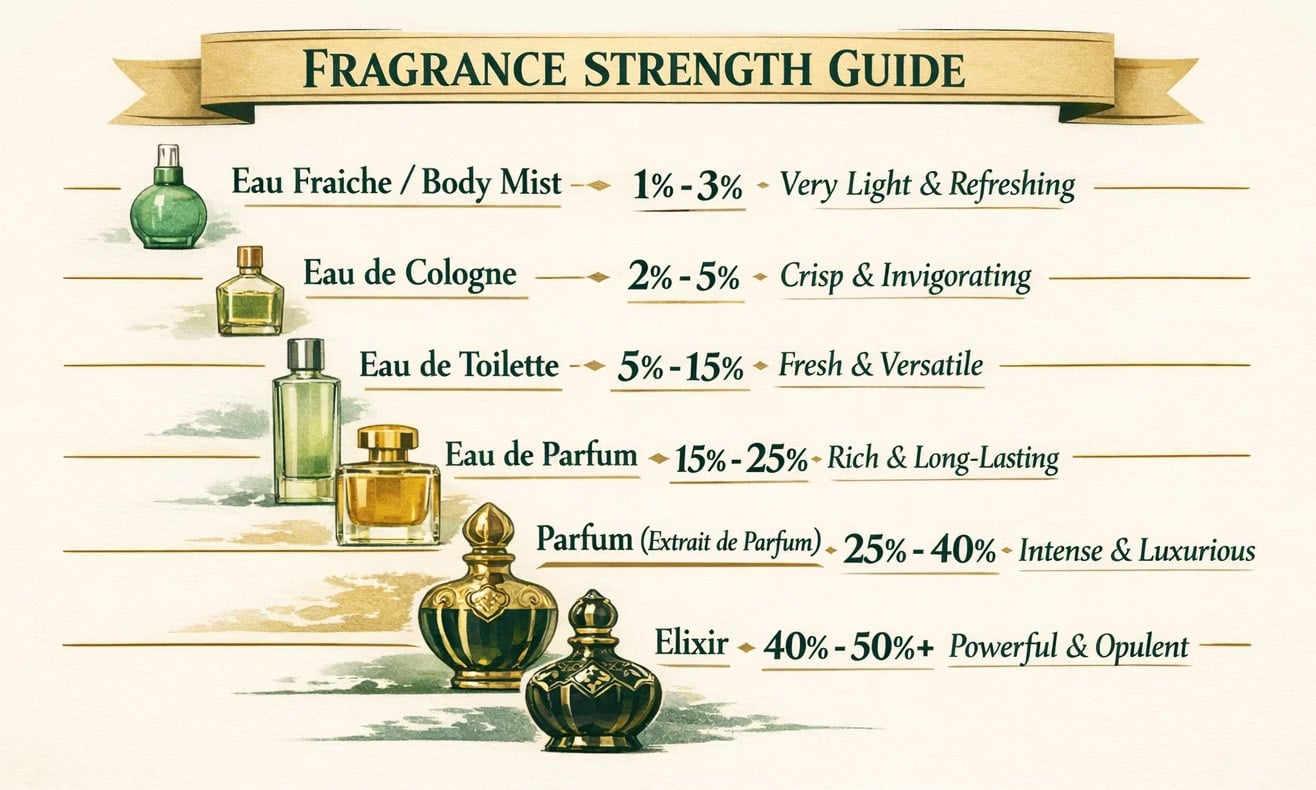
One of the most important factors when choosing a fragrance is concentration. The concentration determines how intense the scent will be, how long it lasts on the skin and how it evolves throughout the day.
Fragrance is made from aromatic oils blended with alcohol and water. The higher the percentage of fragrance oil, the stronger and longer-lasting the scent is likely to be.
Here are the most common types you’ll encounter.
Eau Fraîche and Body Mists
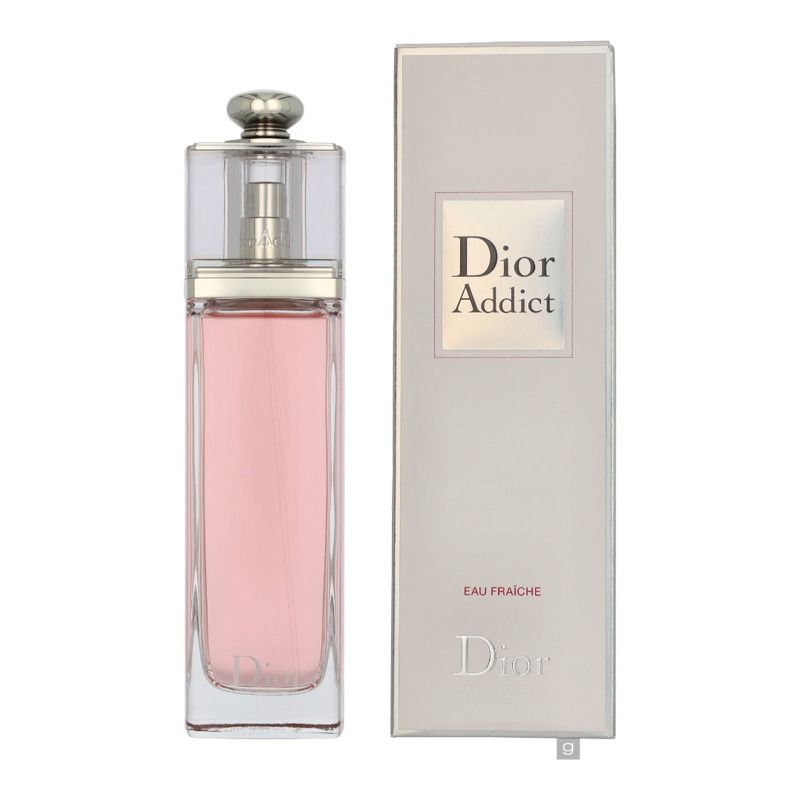
Eau Fraîche contains a lower concentration of fragrance oils than eau de toilette, with a higher proportion of water. The result is a very light, refreshing scent that feels subtle and easy to wear.
Body mists and fragrance sprays offer a similarly gentle fragrance experience. They are often designed for casual, everyday use and can be reapplied throughout the day without feeling heavy.
These lighter formats are well suited to warmer weather, post-gym freshness or those who prefer minimal intensity. They are also popular gifting options and commonly chosen for younger fragrance wearers.
Eau de Cologne
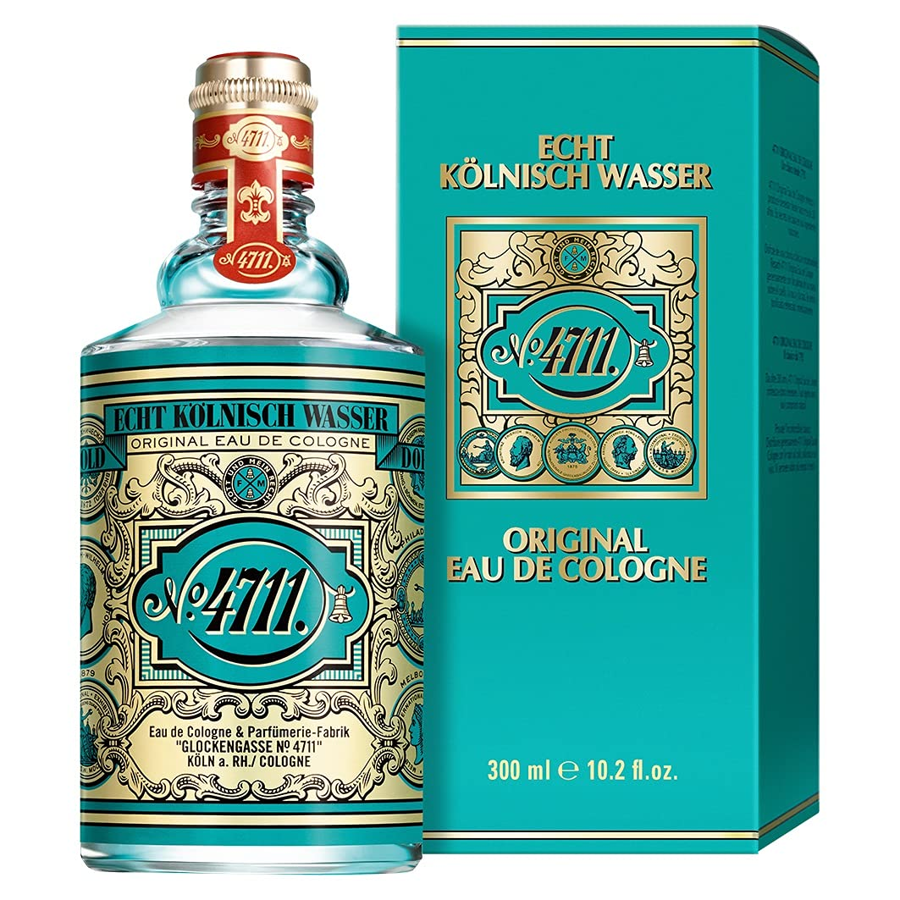
Eau de Cologne traditionally contains a lower concentration of fragrance oils, creating a light and refreshing scent.
It is often associated with citrus and fresh compositions and works well for casual or daytime wear. While it does not last as long as stronger concentrations, it can be an excellent choice for those who prefer subtlety.
Eau de Toilette
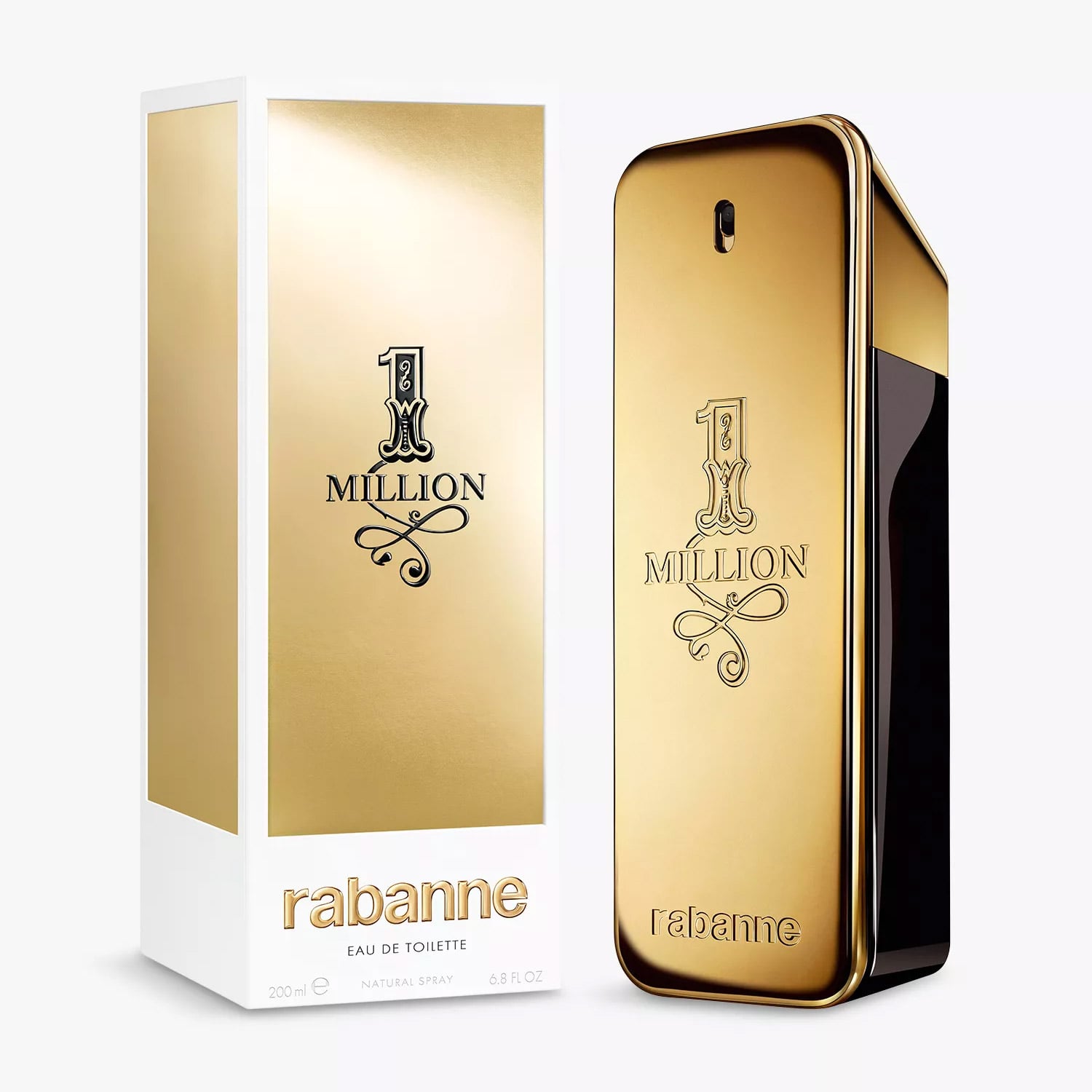
Eau de Toilette has a lighter concentration than eau de parfum, resulting in a fresher and more subtle scent profile.
It is often favoured for daytime wear, warmer weather or professional settings where a lighter presence is appropriate. Eau de Toilette may require reapplication during the day, but it offers an easy, versatile fragrance experience.
This format is particularly common within both perfume and aftershave collections.
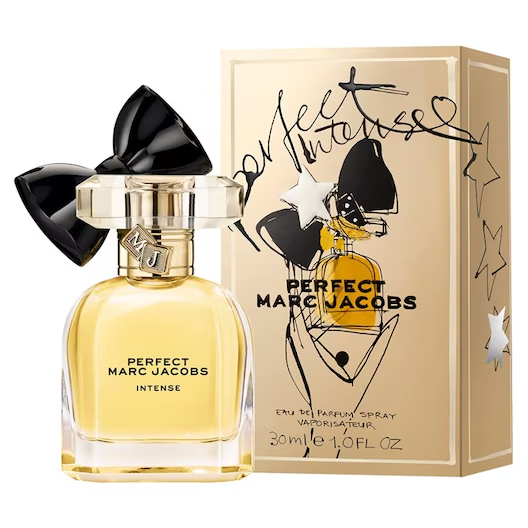
Eau de Parfum
Eau de Parfum offers a slightly lighter concentration than pure parfum, while still providing strong longevity and depth.
It balances intensity with wearability, making it suitable for both day and evening use. Many modern fragrances are offered in eau de parfum form because it provides noticeable projection without feeling overpowering.
If you want a scent that lasts throughout the working day with minimal reapplication, eau de parfum is often a reliable choice.
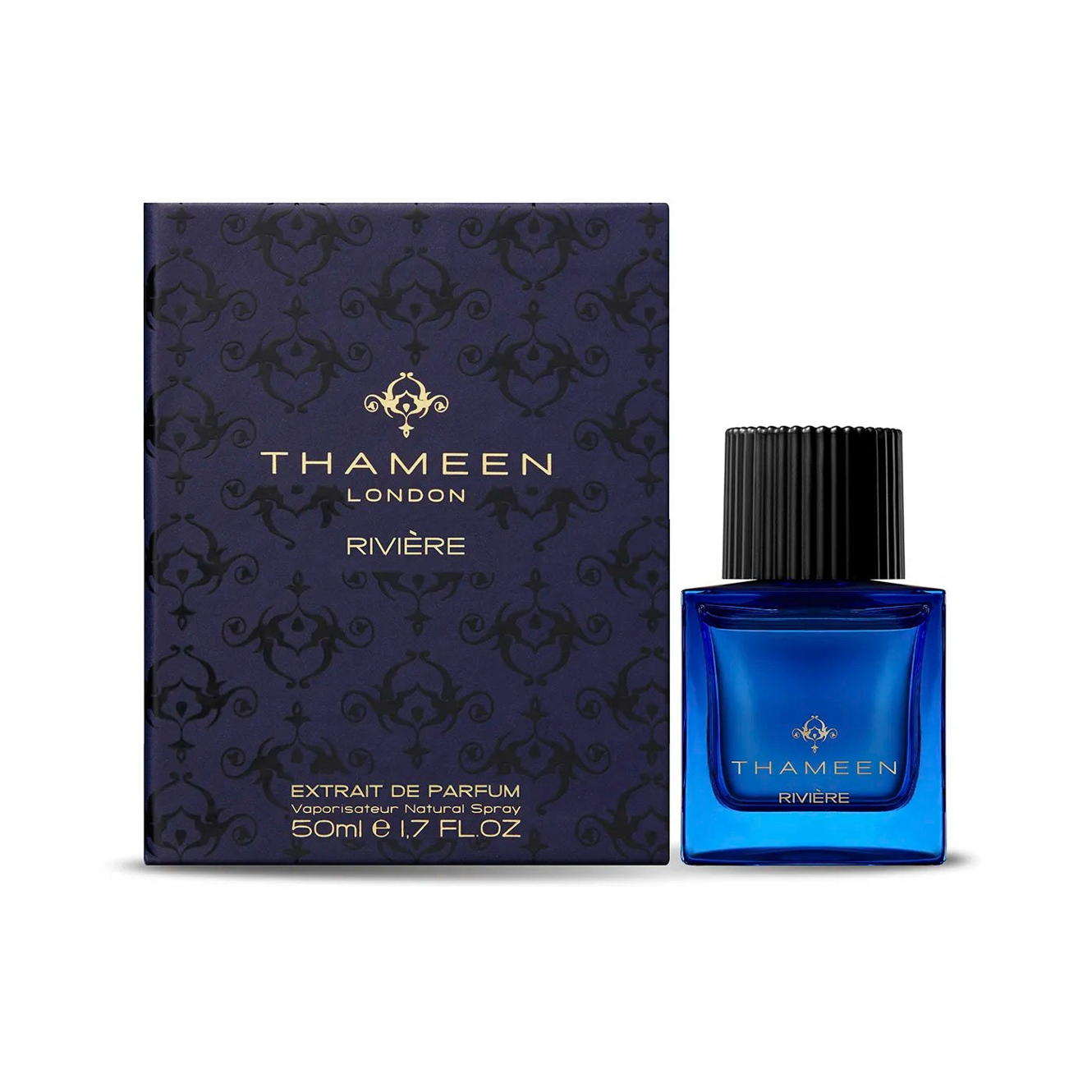
Parfum and Extrait de Parfum
Parfum, sometimes labelled Extrait de Parfum, contains the highest concentration of fragrance oils. It is typically the richest and most intense form of scent available.
Because of its strength, only a small amount is required. Parfum tends to last longer on the skin and develops gradually, revealing deeper base notes over time.
This concentration is often chosen for evening wear, special occasions or those who prefer a more noticeable, long-lasting presence.
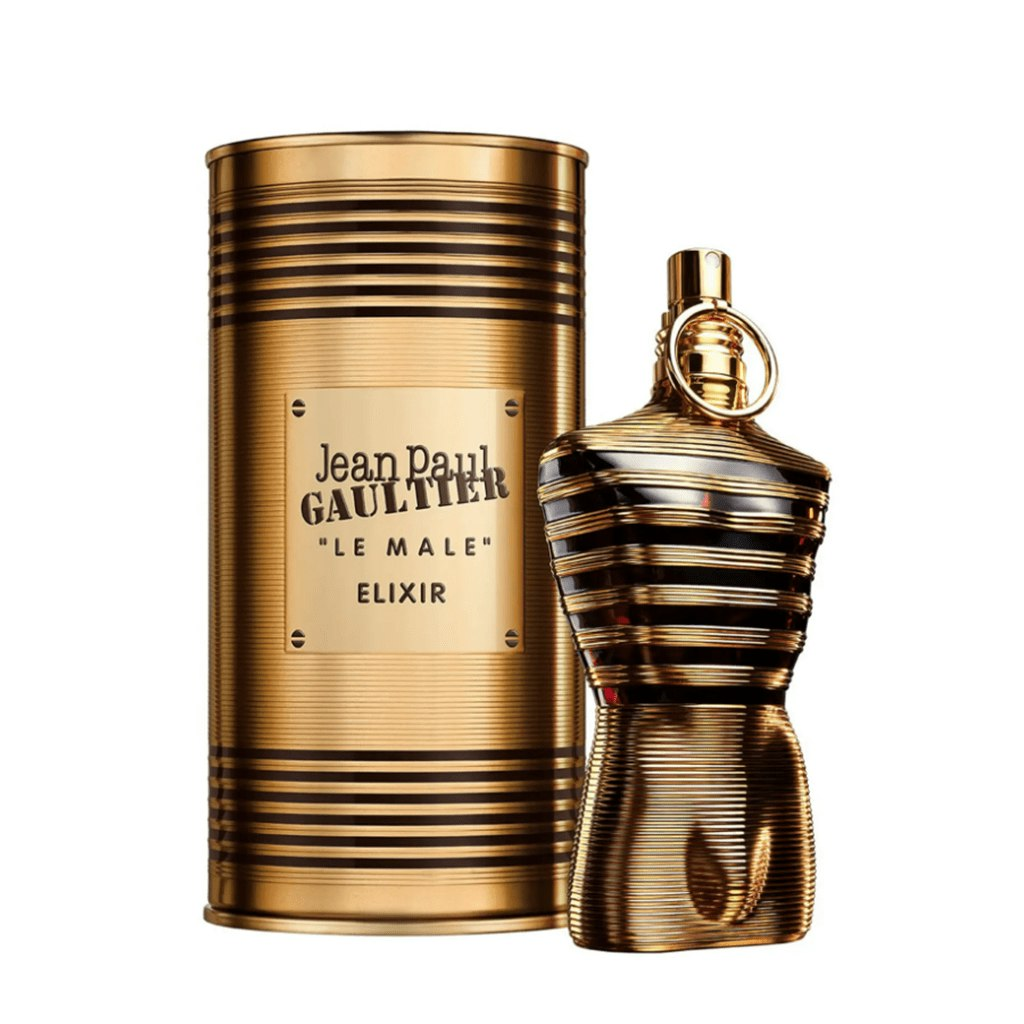
Elixir
Elixir is a term increasingly used to describe more concentrated or intensified versions of existing fragrances. These formulations are often deeper, warmer or more powerful interpretations of the original scent.
Elixirs are typically suited to evening wear or colder seasons, where a richer fragrance profile feels more appropriate.
Understanding concentration helps you choose a fragrance that aligns with how long you want it to last and how prominent you want it to be. Strength is not simply about impact, but about suitability for different occasions and environments.
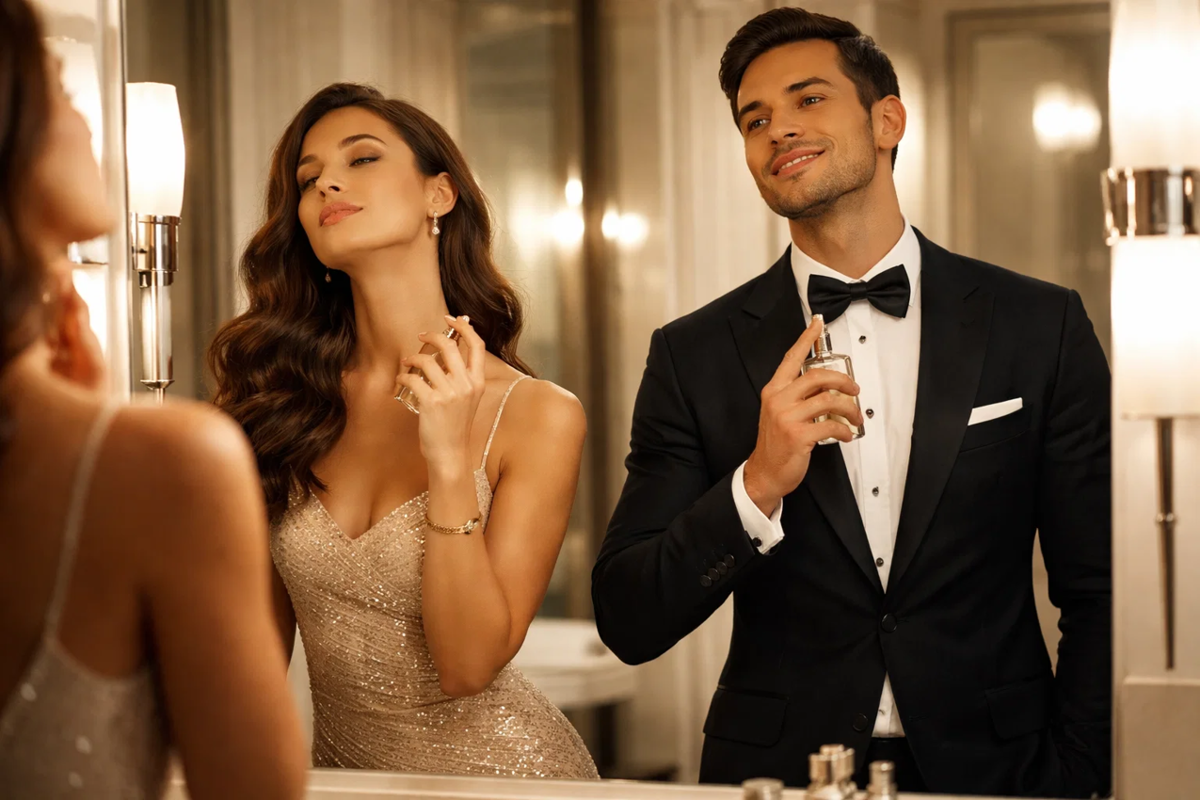
Perfume vs Aftershave: What’s the Difference?
The terms perfume and aftershave are often used as shorthand for women’s and men’s fragrances, but technically both are simply forms of fragrance.
Perfume is commonly used to describe fragrance designed for women, while aftershave traditionally refers to fragrance marketed towards men. The distinction is largely commercial rather than structural. Both can be found in different concentrations such as eau de toilette, eau de parfum or parfum.
Historically, aftershave referred specifically to lightly scented products applied after shaving. Today, however, the term is widely used to describe men’s fragrance more broadly, regardless of concentration.
When browsing, many customers search by these familiar terms. If you are shopping for women’s fragrance, you will often find it within the perfume category. If selecting a men’s scent, aftershave is typically the primary entry point.
Ultimately, what matters most is the scent profile and concentration rather than the label. Fragrance should be chosen for how it smells, how it performs on your skin and how it fits your lifestyle.
Understanding Fragrance Families
Beyond concentration, fragrance character is shaped by its composition. Most perfumes and aftershaves fall into recognisable fragrance families, each defined by dominant note types and overall mood.
Understanding these families makes it easier to narrow your search and identify scents that align with your preferences.
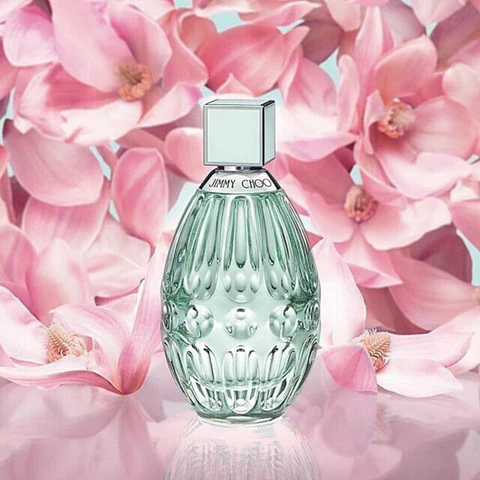
Floral
Floral fragrances are built around flower notes such as rose, jasmine, peony or orange blossom. They can range from soft and delicate to rich and opulent.
Often associated with elegance and femininity, floral scents are versatile and widely worn. Lighter florals work well for daytime, while deeper floral blends may feel more suited to evening occasions.
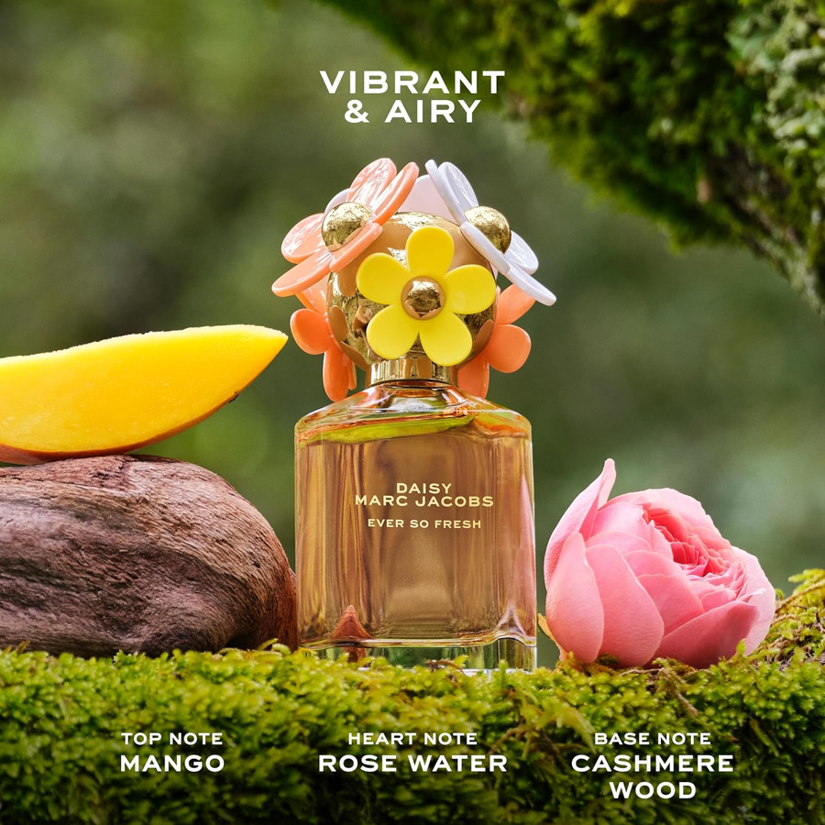
Fruity
Fruity fragrances highlight notes such as apple, berries, pear or tropical fruits. They tend to feel bright, youthful and uplifting.
These compositions are often paired with floral or gourmand elements to create playful yet balanced scents. Fruity notes are particularly popular in spring and summer.
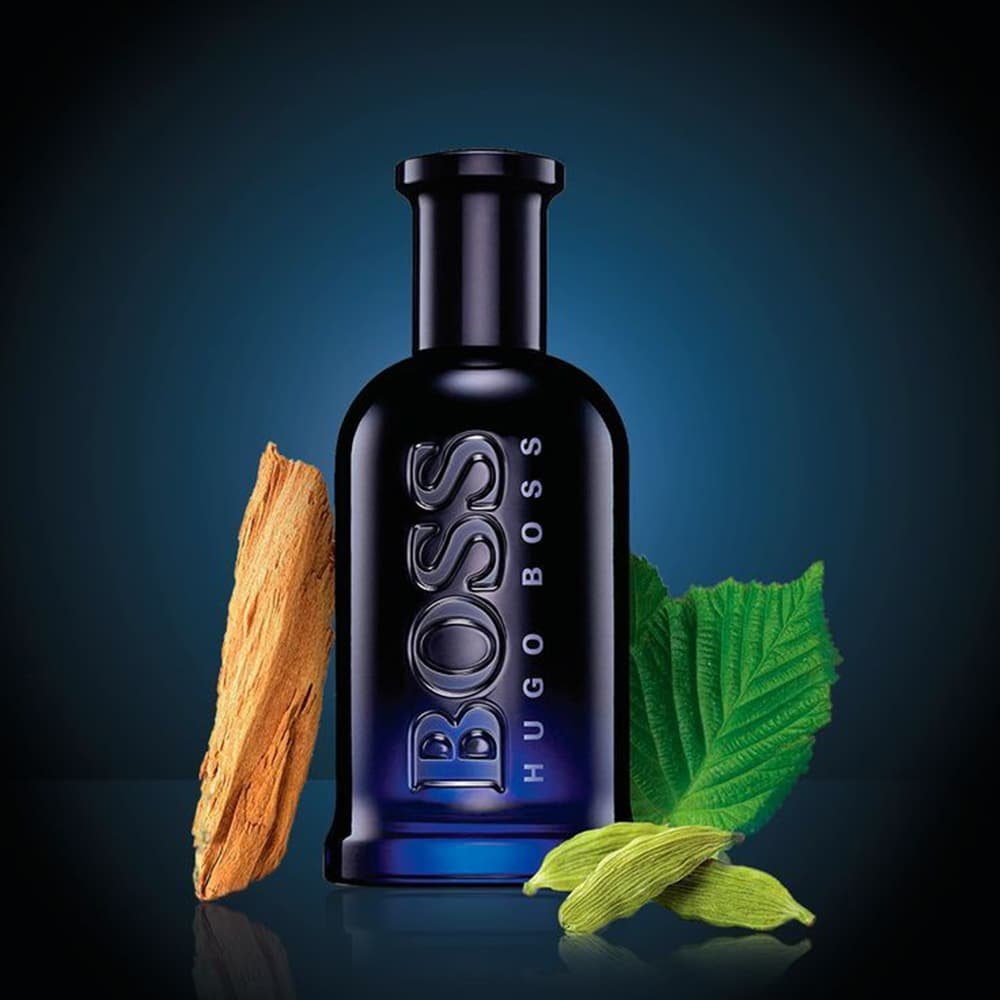
Woody
Woody fragrances are structured around notes like sandalwood, cedar, vetiver or oud. They feel grounded, smooth and often more intense.
Common in many aftershave collections, woody scents can range from dry and refined to deep and smoky. They are often favoured for evening wear or colder seasons.
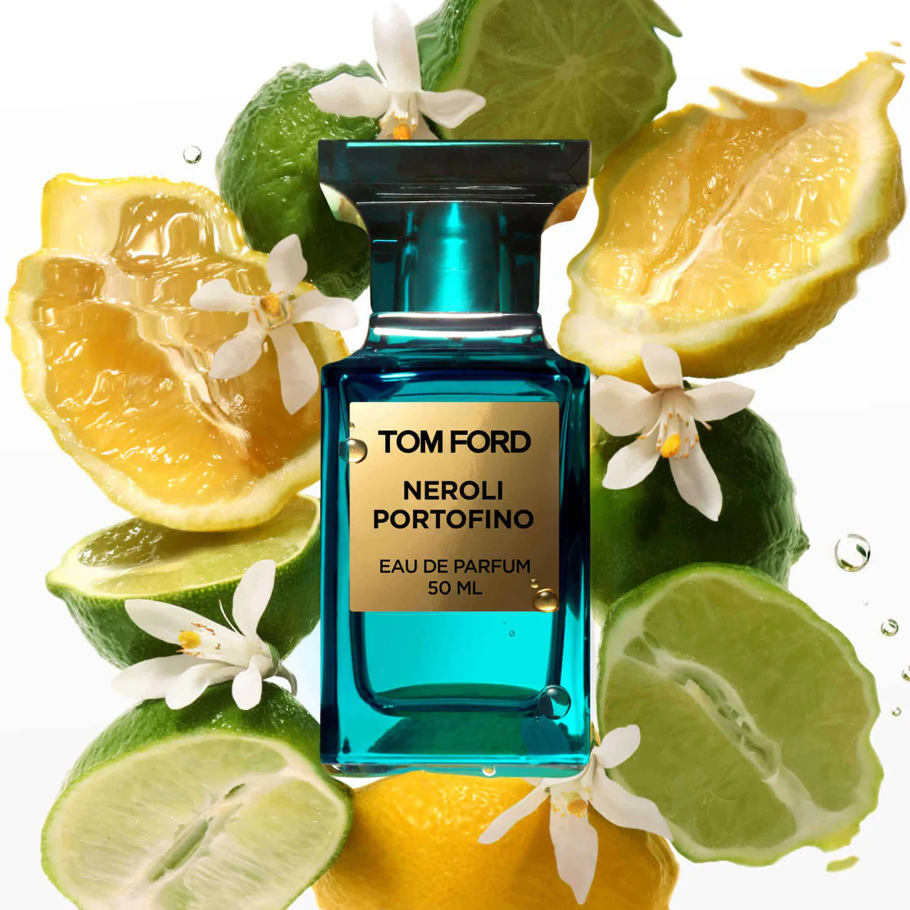
Fresh and Citrus
Fresh fragrances are typically clean and invigorating, featuring citrus notes such as bergamot, lemon and grapefruit alongside aquatic or green accords.
These scents feel light and energetic, making them ideal for daytime wear, warmer weather or professional settings where subtlety is preferred.
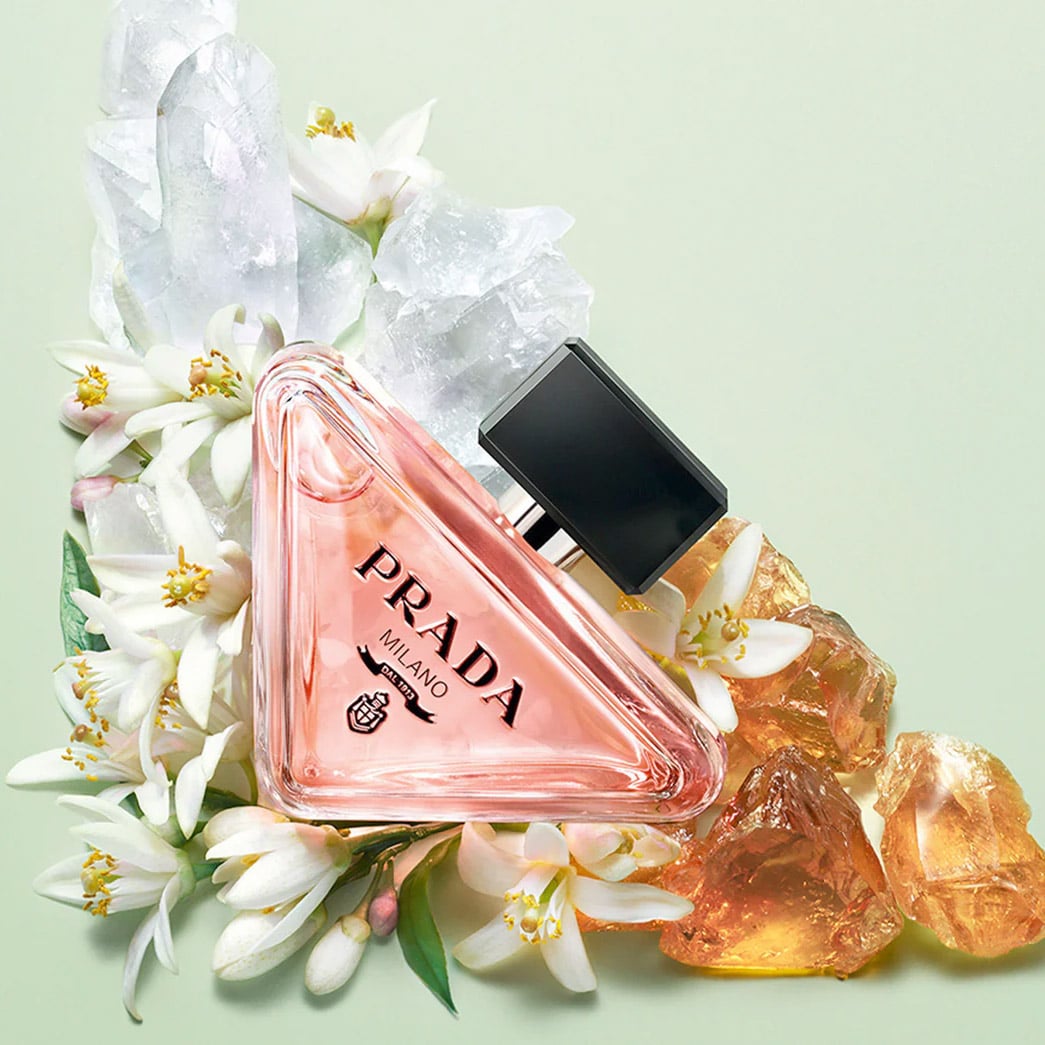
Amber and Oriental
Often referred to as amber or oriental, these fragrances are warm, rich and sensual. They commonly include notes such as vanilla, spice, resin and musk.
Amber compositions tend to have strong longevity and depth, making them well suited to evening occasions or autumn and winter wear.
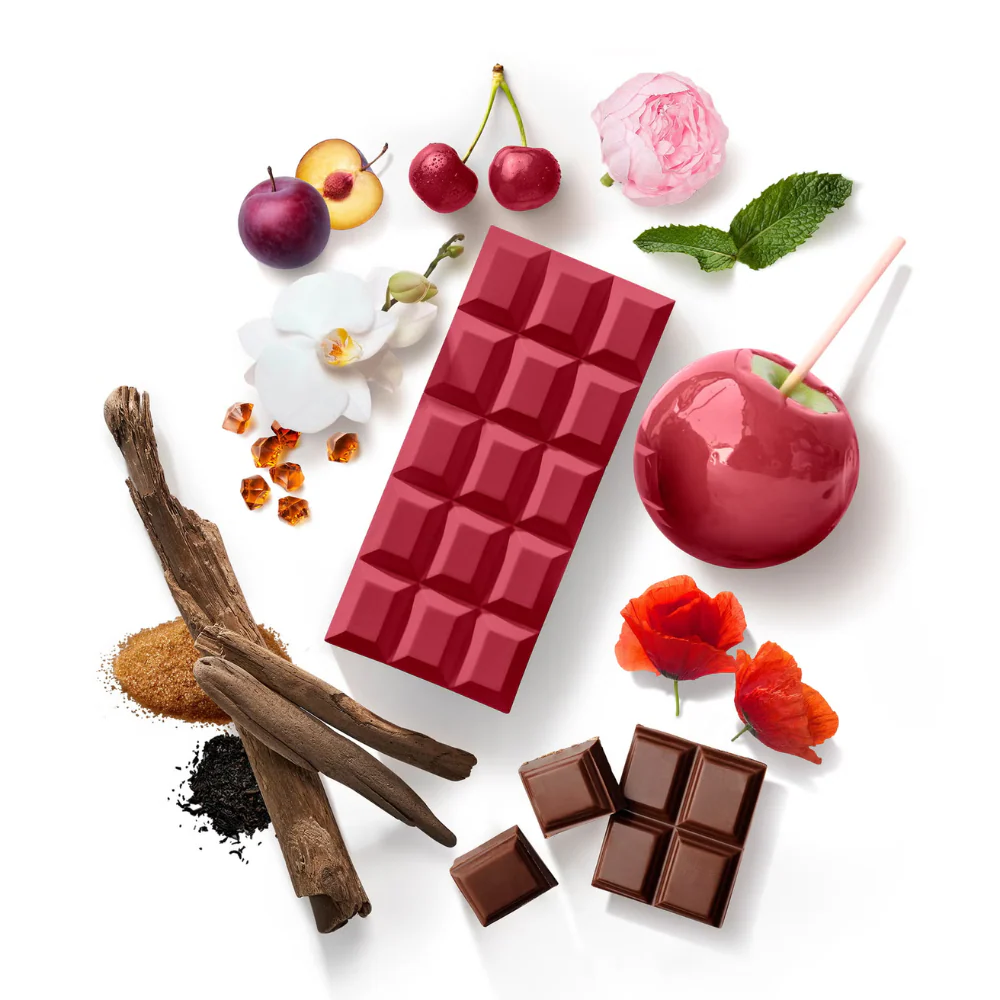
Gourmand
Gourmand fragrances incorporate edible-inspired notes such as caramel, chocolate, coffee or vanilla. They are warm, comforting and often distinctive.
These scents can feel indulgent and are frequently chosen for evening wear or colder months.
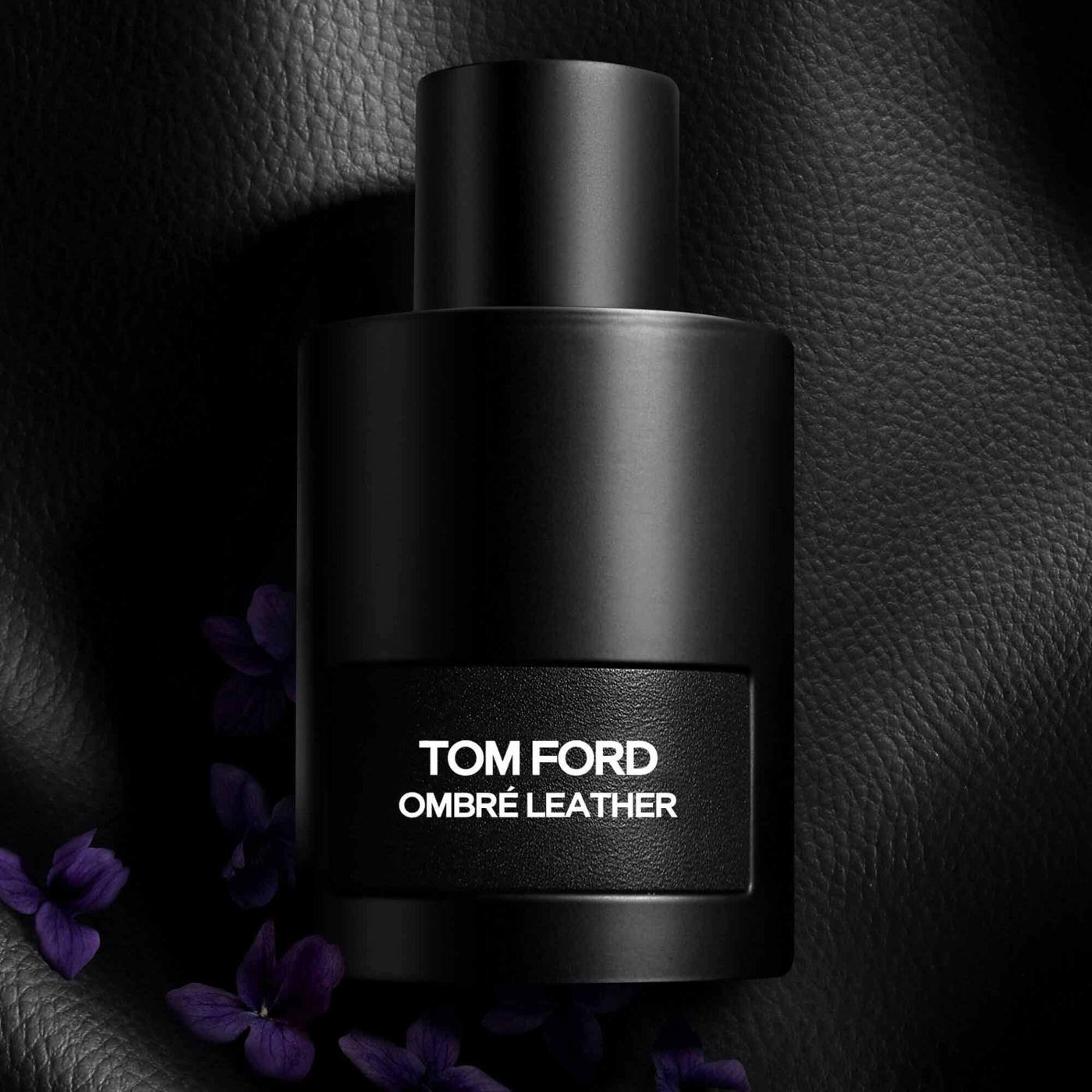
Leather
Leather fragrances are characterised by warm, smoky or slightly sweet notes that evoke suede, polished leather or soft hide. They can feel refined, bold or slightly rebellious depending on the composition.
Often found in more intense men’s fragrances and increasingly in unisex blends, leather notes add depth and structure. They are typically suited to evening wear or cooler seasons, where their richness feels balanced.
Leather is frequently combined with woody, tobacco or amber accords to create complexity and longevity.
Choosing a Fragrance for Yourself
Once you understand concentration and fragrance families, the next step is choosing a scent that fits your lifestyle, environment and personal style. A fragrance should feel natural to wear, not imposed.
Consider the Occasion
Think about when and where you plan to wear it.
For everyday use or professional settings, lighter concentrations such as eau de toilette or softer eau de parfum compositions often feel appropriate. Fresh, citrus or subtle floral scents tend to sit comfortably in close environments.
For evenings, events or colder months, richer compositions such as parfum, amber, woody or leather-based fragrances can feel more aligned. These tend to project more noticeably and develop with greater depth over time.
Matching the strength and character of a fragrance to its setting ensures it enhances rather than overwhelms.
Think About Season
Fragrance can feel different depending on temperature.
In warmer weather, lighter and fresher scents generally perform best. Citrus, green and airy florals tend to feel uplifting and comfortable in heat.
In cooler months, deeper notes such as amber, gourmand, leather or woody compositions often feel more balanced. The richness complements lower temperatures and tends to last longer on the skin.
Many fragrance enthusiasts rotate their scents seasonally for this reason.
Understand Skin Chemistry
Fragrance does not smell identical on everyone. Body chemistry, skin type and even climate can influence how notes develop.
A scent that feels bright and fresh on one person may become warmer or sweeter on another. This is why testing on skin, rather than relying solely on paper testers, can be helpful when making a final decision.
Allow a fragrance time to develop. The top notes fade first, revealing the heart and base notes that define the scent’s lasting character.
Choose What Feels Authentic
While trends and recommendations can guide you, fragrance remains highly personal. The right scent should feel comfortable and reflective of your personality.
Some prefer subtlety and freshness. Others favour warmth and intensity. There is no correct choice, only suitability.
By considering concentration, fragrance family, season and occasion together, you can select a fragrance that feels deliberate rather than accidental.
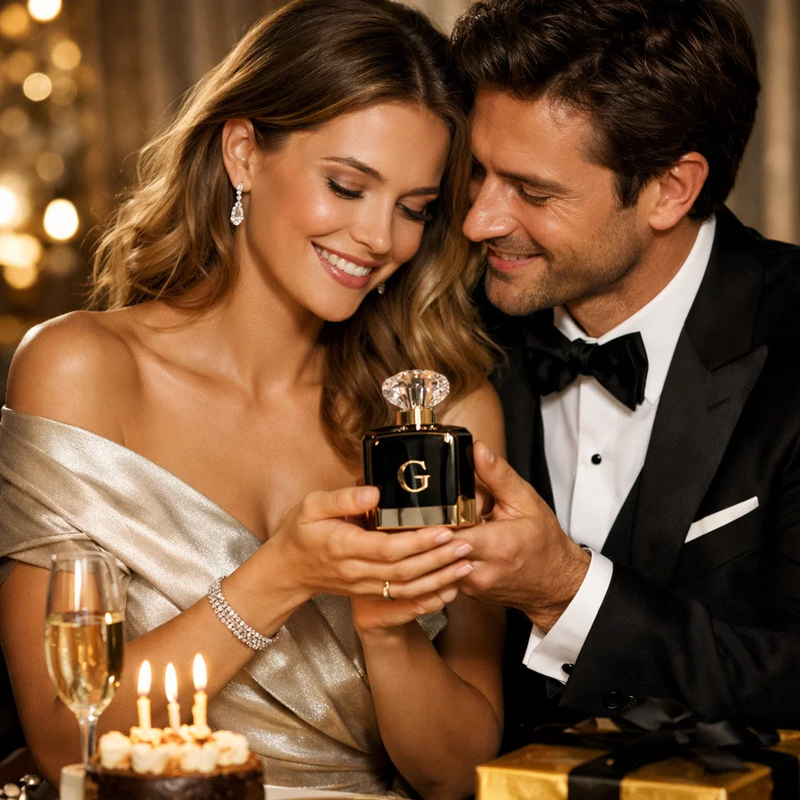
Buying Fragrance as a Gift
Fragrance remains one of the most popular and considered gifts. When chosen well, it feels thoughtful and personal. When chosen without guidance, it can feel uncertain. A few practical considerations can make gifting far more straightforward.
Choose Familiar Profiles
If the recipient already wears fragrance, start by identifying what they tend to choose.
Do they favour light, fresh scents or something warmer and richer? Are their current fragrances floral, woody or sweet? Selecting a scent within a similar fragrance family reduces risk while still allowing for something new.
If you are unsure, fresh citrus compositions, soft florals or balanced woody scents are often safer options than highly intense or experimental blends.
Consider Concentration
Eau de parfum and eau de toilette are generally the most versatile gifting formats.
Parfum or extrait can feel more luxurious but may be too intense if you are unsure of the recipient’s preference. Lighter formats such as body mists are often well suited to younger recipients or casual wear.
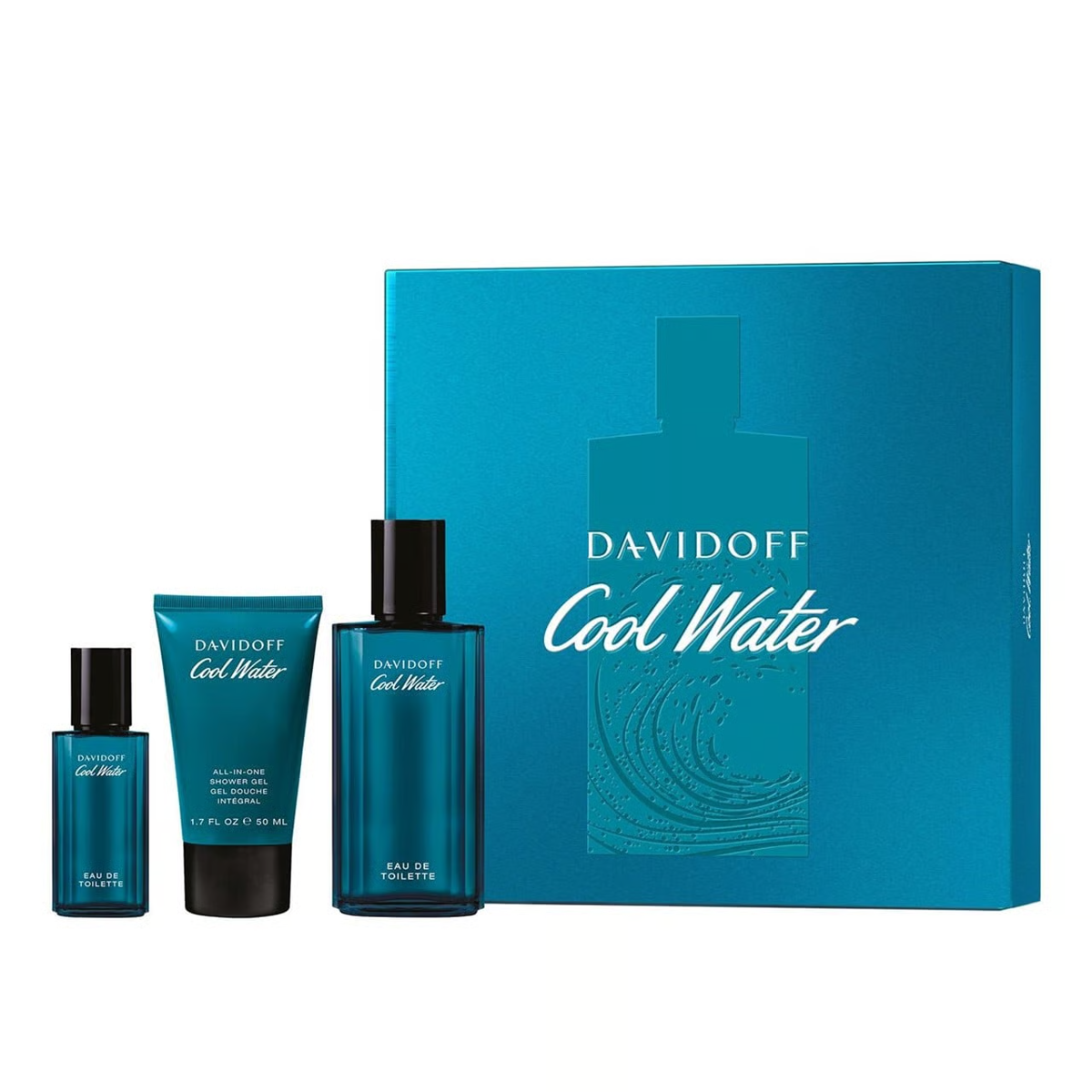
Fragrance Gift Sets
Fragrance gift sets are particularly popular for special occasions. They often include complementary products such as body lotions or travel-sized versions of the scent, adding practicality and perceived value.
They also remove some of the uncertainty, as sets typically feature established and recognisable fragrances.
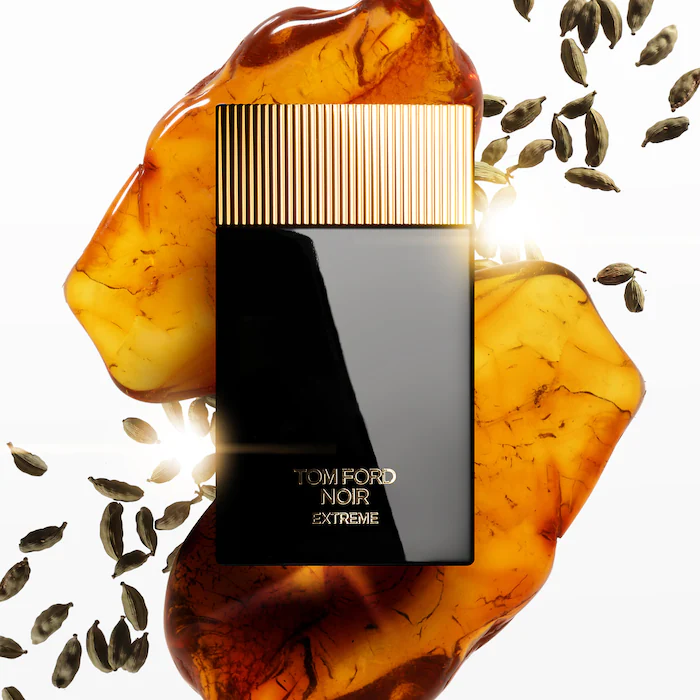
Avoid Overthinking Gender Labels
While perfume and aftershave categories reflect common search behaviour, many modern fragrances are increasingly versatile. Some woody, amber or citrus compositions are enjoyed across traditional gender boundaries.
If the scent profile suits the person, the label matters less than how it smells and feels.
A well-chosen fragrance gift reflects attention and understanding. By considering familiarity, concentration and occasion, you can select a scent that feels personal rather than generic.
Longevity, Application and Storage
How a fragrance is applied and stored can significantly influence how it performs. Even the highest concentration will not last as intended if used incorrectly.
Where to Apply Fragrance
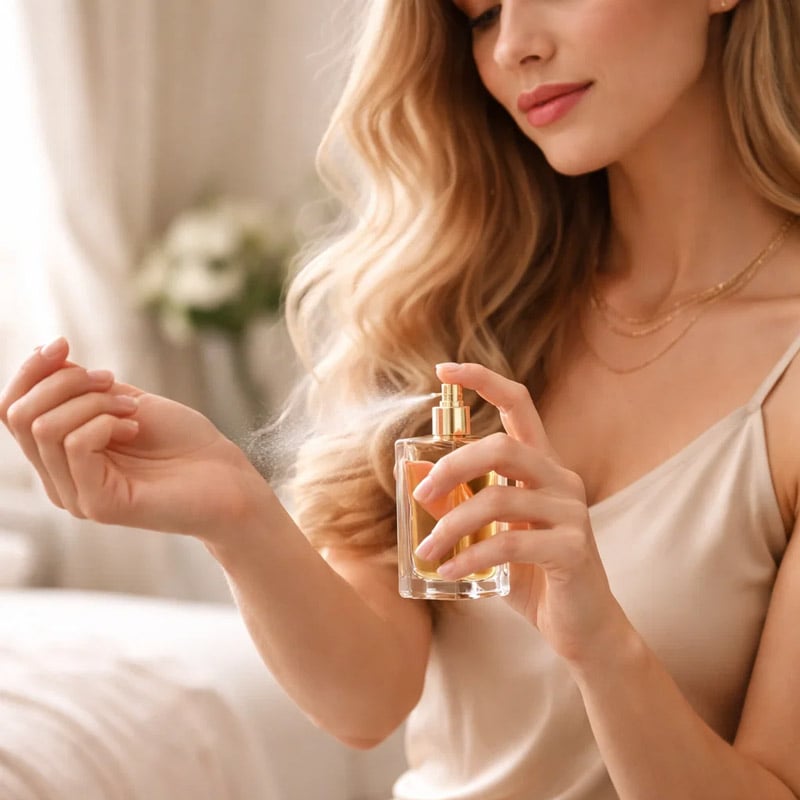
Fragrance is best applied to pulse points, where the skin is naturally warmer. Areas such as the wrists, neck and behind the ears allow the scent to develop and project gradually.
Spraying from a short distance and allowing the fragrance to settle naturally tends to produce a more refined result than rubbing it into the skin, which can disturb the top notes and alter how the scent evolves.
Some prefer a light mist over clothing, but care should be taken with delicate fabrics.
How Much to Use
More is not necessarily better.
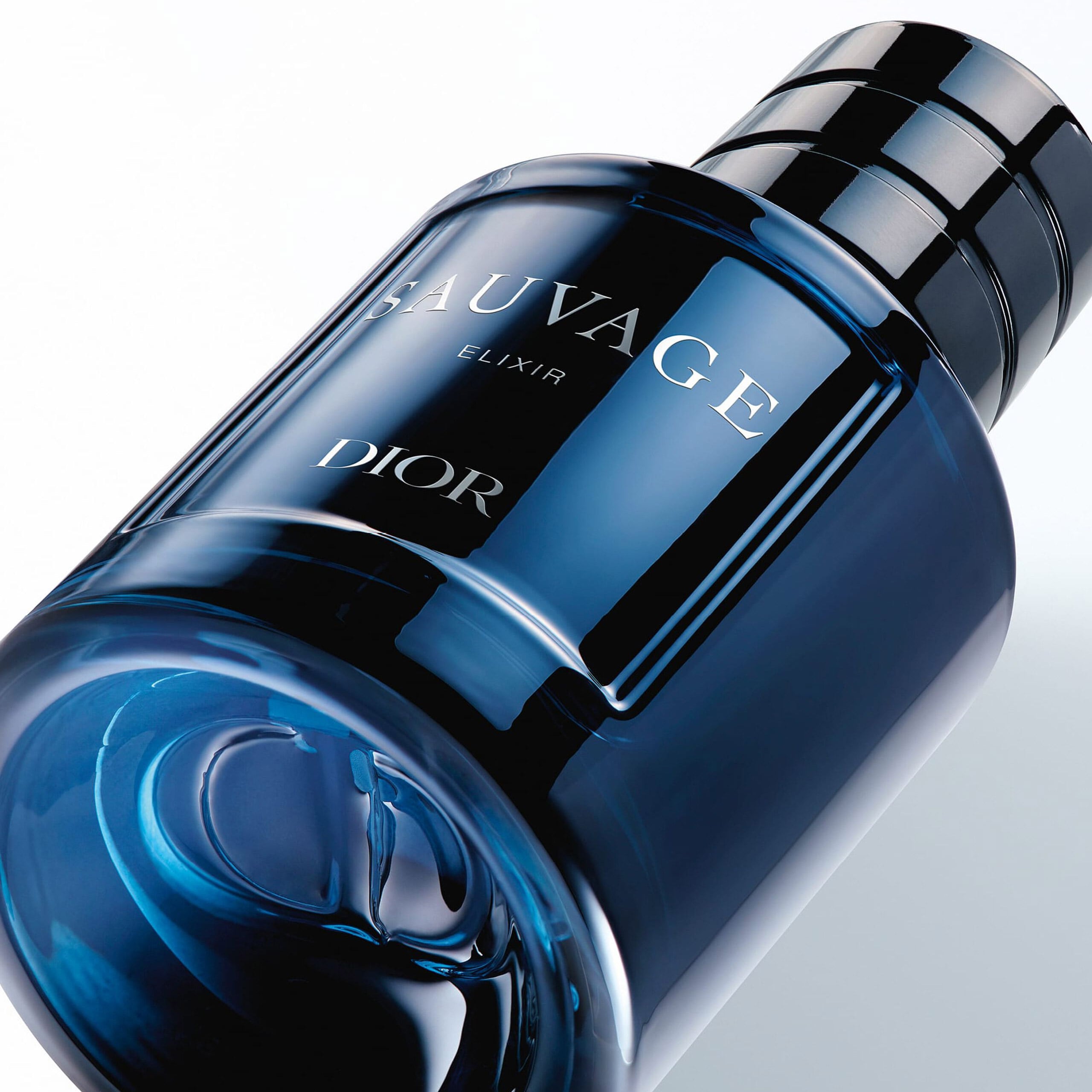
Stronger concentrations such as parfum or elixir require only a small amount. Lighter formats like eau de toilette or body mist may require slightly more, or occasional reapplication throughout the day.
The goal is subtle presence rather than overwhelming projection.
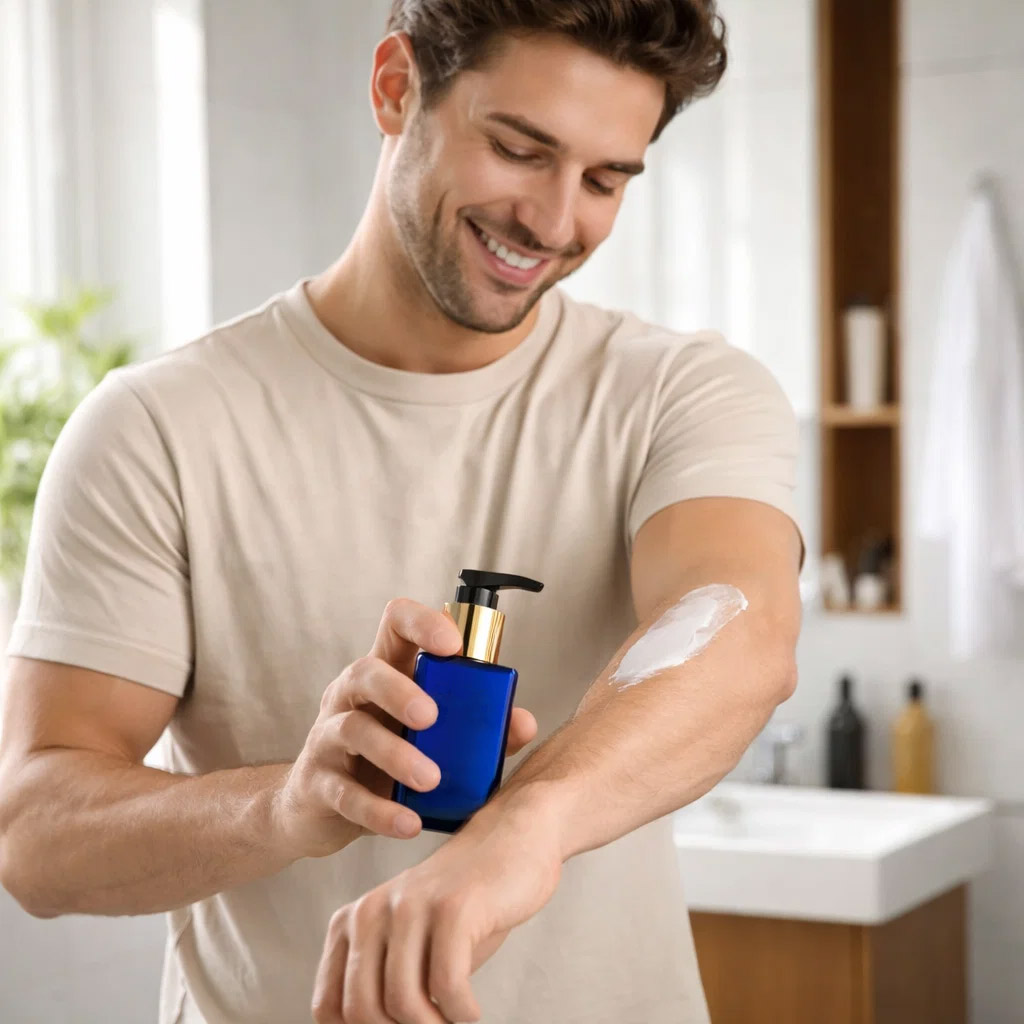
Making Fragrance Last Longer
Fragrance tends to last longer on well-moisturised skin. Applying a neutral body lotion before spraying can help improve longevity.
Layering with complementary products from the same fragrance line, such as body lotion or deodorant, can also enhance performance.
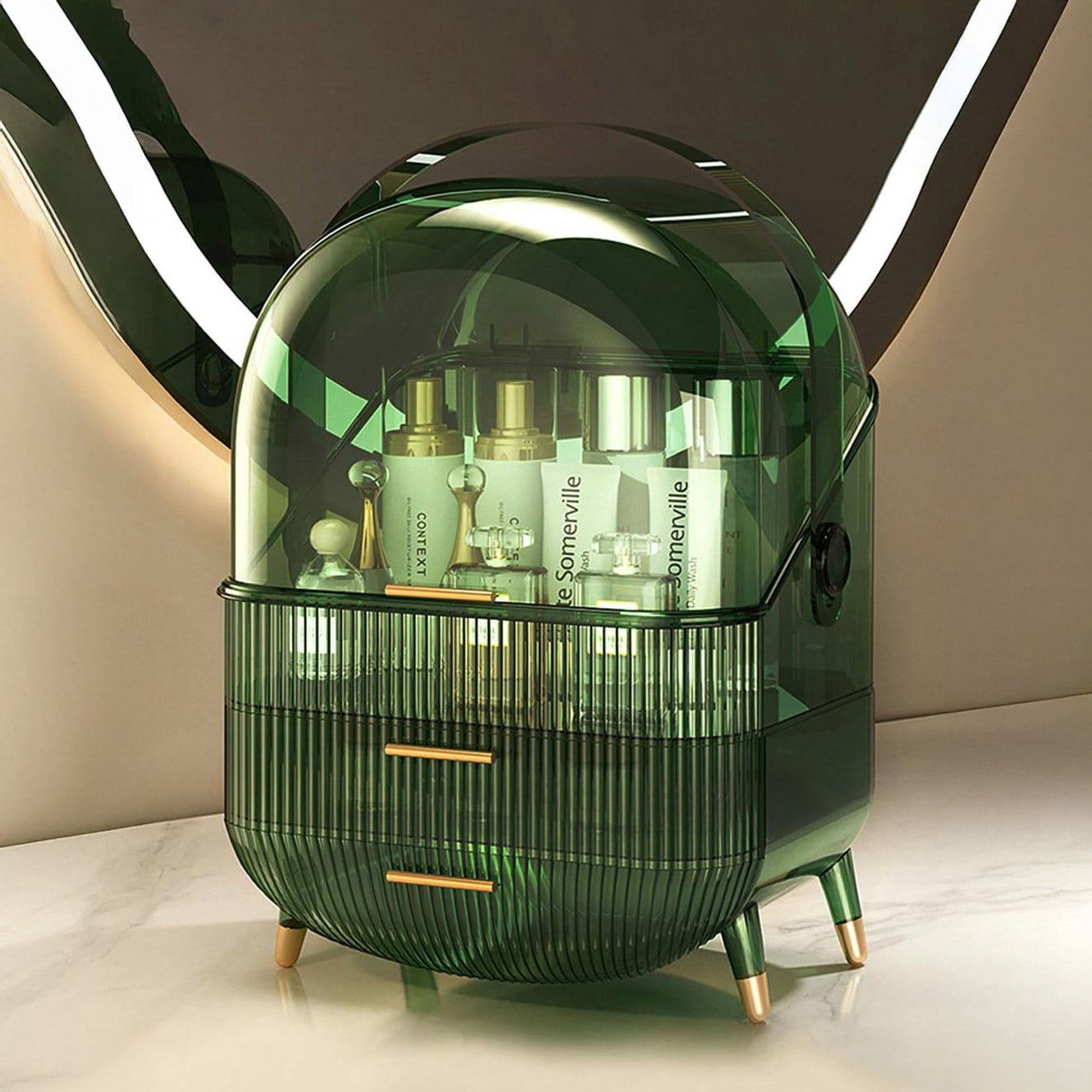
Proper Storage
Heat, light and humidity can degrade fragrance over time. To preserve its quality, store bottles away from direct sunlight and fluctuating temperatures.
A cool, dry location such as a drawer or cupboard is preferable to a bathroom shelf.
When stored correctly, fragrance can maintain its integrity for years.
Final Checklist Before You Choose
Before selecting your fragrance, take a moment to confirm a few key points. A considered choice ensures the scent feels intentional and well suited to its purpose.
- Have you chosen the right concentration for when and where you plan to wear it?
- Does the fragrance family align with the type of scent you naturally enjoy?
- Have you considered season and setting, particularly for everyday versus evening use?
- If buying as a gift, does the choice reflect the recipient’s usual preferences?
- Are you comfortable with the intensity and longevity of the formulation?
Fragrance is not only about how it smells in the moment, but how it develops over time and how it fits within your routine.
By combining concentration, character and context, you can select a fragrance that feels balanced, refined and suited to your lifestyle.
Frequently Asked Questions
What is the difference between Eau de Parfum and Eau de Toilette?
The main difference is concentration. Eau de Parfum contains a higher percentage of fragrance oils, which typically makes it stronger and longer lasting. Eau de Toilette is lighter and often more suited to daytime wear or warmer weather.
Which type of fragrance lasts the longest?
Parfum or Extrait de Parfum usually offers the longest longevity due to its higher concentration of fragrance oils. Elixirs can also provide extended wear. However, performance can vary depending on skin chemistry and the fragrance composition.
Why does fragrance smell different on different people?
Fragrance reacts with individual skin chemistry, body temperature and natural oils. This can subtly alter how notes develop and how long they last. For this reason, a scent may feel warmer, sweeter or fresher depending on the wearer.
How long should fragrance last on the skin?
Longevity depends on concentration and composition. Lighter formats such as Eau de Cologne or body mists may last a few hours, while Eau de Parfum, Parfum or Elixir can last significantly longer.
Does fragrance expire?
Fragrance does not expire in the same way as food, but exposure to heat, light and air can gradually alter its scent. When stored correctly in a cool, dry place away from sunlight, most fragrances maintain their quality for several years.
Is perfume only for women and aftershave only for men?
Perfume and aftershave are commonly used as gendered shopping terms, but both are forms of fragrance available in different concentrations. The most important factor is the scent profile rather than the label.
How many fragrances should I own?
There is no fixed rule. Many people choose one everyday scent and one for evening or special occasions. Others rotate fragrances seasonally. The right number depends on how varied you want your fragrance wardrobe to be.
© 2026 Rackhams Retail Limited
Follow us


Pay securely with:


Terms & Conditions Cookie Settings Privacy Policy