Free Delivery Free Delivery on all orders!

Rated Excellent by Customers on Google

Products 150,000+ Curated Products

How to Choose the Right Garden Seating for Your Space

The right garden seating can completely change how you use your outdoor space. From quiet mornings with a coffee to long summer evenings with friends, comfortable seating turns a garden into somewhere you actually want to spend time.

With everything from sofas and lounge sets to benches, loungers, egg chairs and swing seats available, choosing what works best for your garden isn’t always straightforward. Different layouts suit different spaces, and what feels perfect in a large patio may overwhelm a smaller garden or balcony.

Thinking about how you use your outdoor space, how much room you have and the kind of atmosphere you want to create makes it far easier to choose seating that feels right, looks good and works well for everyday life.

Start with your space

Start with your space

Before choosing any type of garden seating, it’s worth taking a close look at the space you’re working with. The size, shape and layout of your garden, patio or balcony will naturally guide what will feel comfortable and what might end up feeling cramped.

Start by measuring the area where your seating will go, not just the footprint of the furniture but also the space needed to move around it. Chairs need room to pull out, people need space to walk past, and doors or paths should never feel blocked. Leaving a little breathing room around your seating helps the whole area feel more relaxed and usable.

Smaller patios, balconies and courtyards often suit compact chairs, bistro-style seating or a small sofa rather than large corner sets. Medium-sized gardens can accommodate lounge seating or a mix of chairs and sofas, while larger outdoor spaces give you the freedom to create more generous seating areas without them feeling overwhelming.

The aim is to choose seating that fits comfortably within your garden rather than trying to squeeze in the biggest set possible. When furniture sits naturally in the space, it’s far more likely to be used and enjoyed.

How will you use your garden?

How will you use your garden?

The way you spend time outside should shape the kind of seating you choose. A garden that’s used for relaxed coffee breaks, reading and quiet evenings needs very different furniture to one that’s used for family meals, barbecues and entertaining friends.

If your garden is mostly a place to relax, comfortable sofas, armchairs or even a single statement piece like an egg chair or swing seat can create a calm, inviting area to unwind. These types of seating focus on comfort and atmosphere rather than squeezing in as many seats as possible.

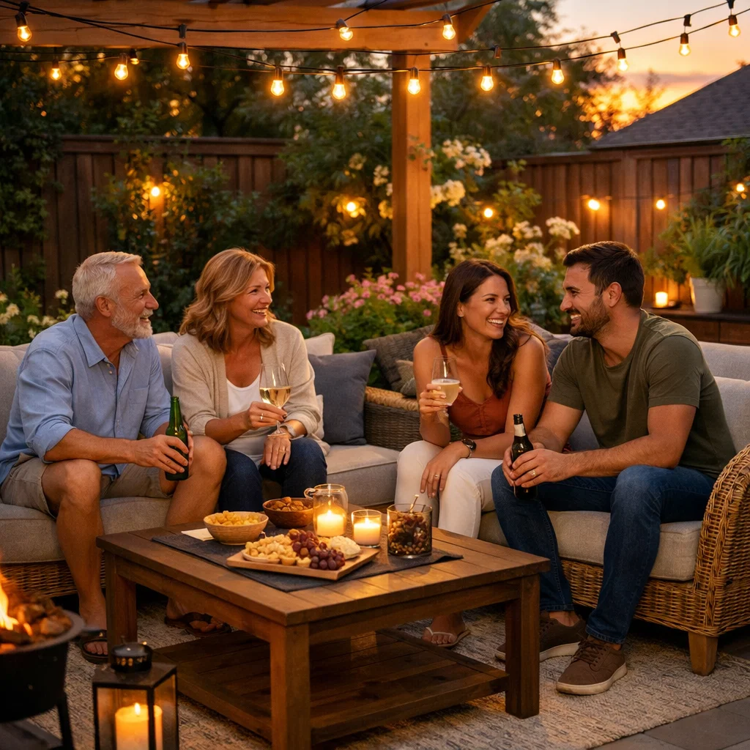
For gardens that are used for socialising and entertaining, flexible seating becomes more important. A mix of chairs, benches and sofas makes it easier to adapt the space when friends or family visit, while larger patio sets give everyone a place to sit comfortably during meals and gatherings.

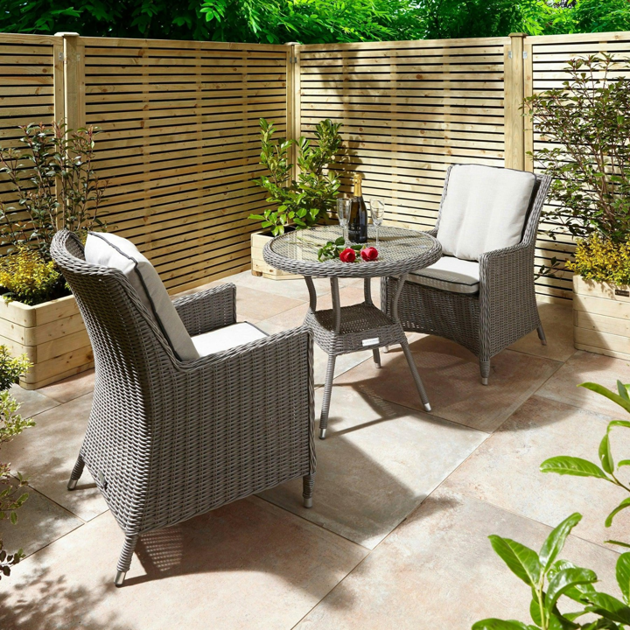
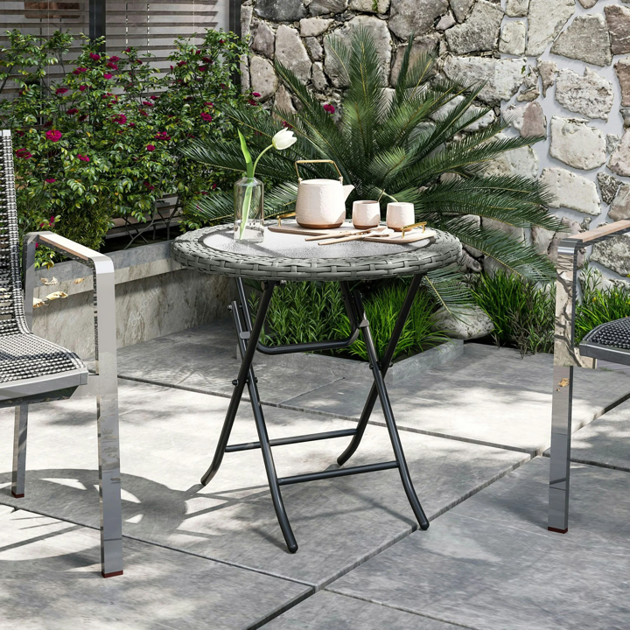
If you enjoy spending time outside as a family, think about how people naturally gather. Some prefer sitting together on sofas, others like individual chairs they can move around, and in smaller spaces bistro sets offer a simple way to enjoy meals or drinks outdoors without taking up too much room.

Choosing seating that reflects how you actually live in your garden helps create an outdoor space that feels easy to use, rather than one that only works on special occasions.

Expert tip: Buy for everyday life, not just special occasions

It’s tempting to choose seating based on how you entertain a few times a year, but furniture selected for everyday comfort is far more likely to be used and enjoyed throughout the season.

Understanding the main seating types

Understanding the main seating types

Garden seating comes in many forms, each designed to suit different spaces, lifestyles and ways of relaxing outdoors. Understanding the main types makes it easier to decide what will feel right in your garden rather than simply choosing based on appearance alone.

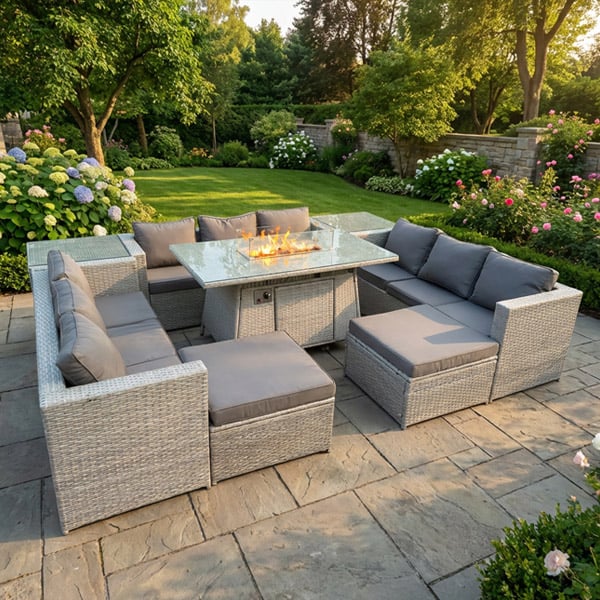
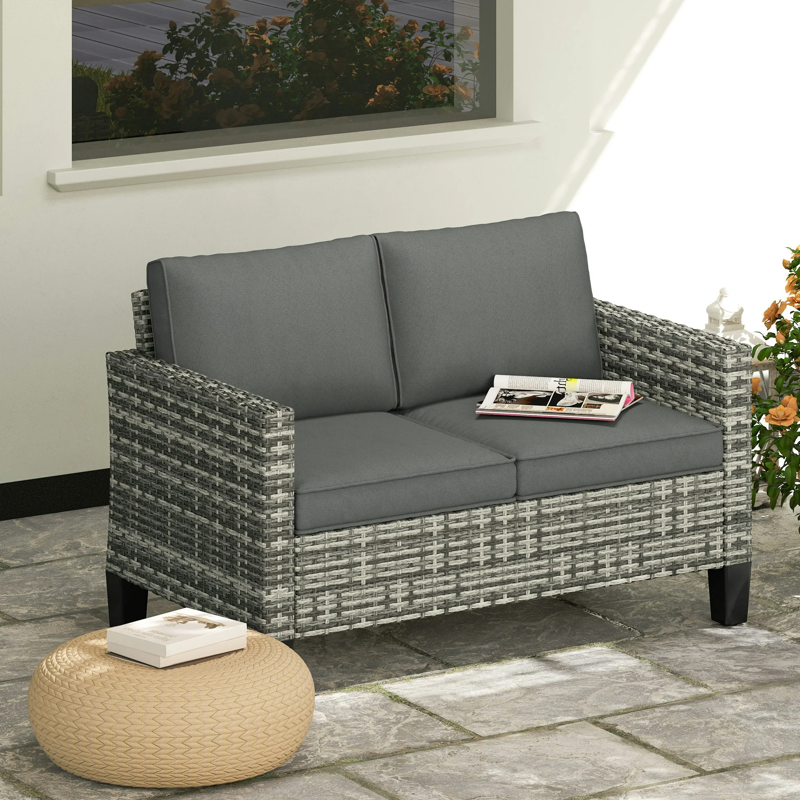
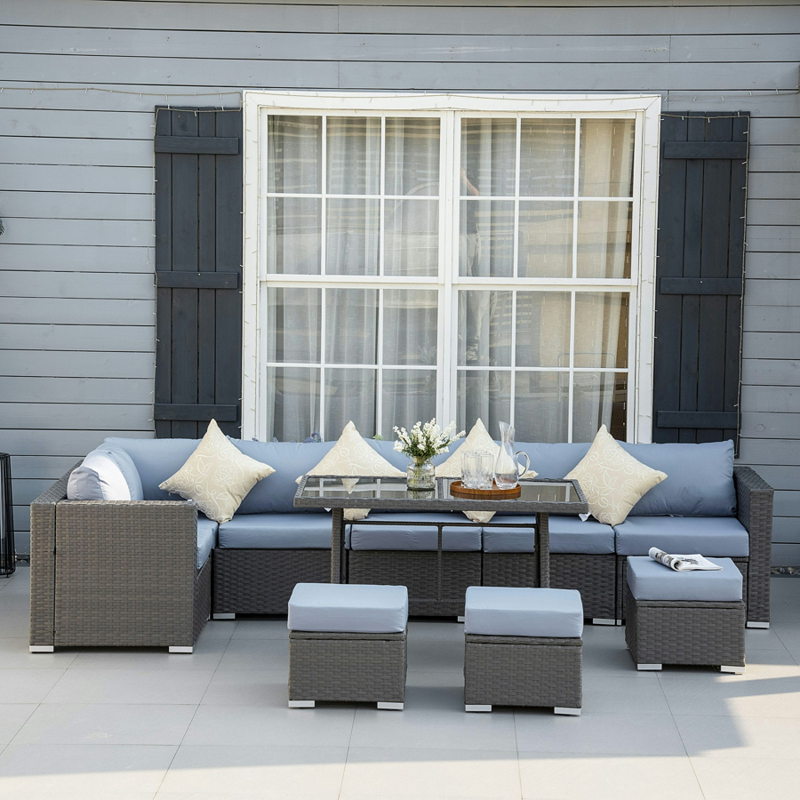
Garden sofas and lounge sets are designed for comfort and socialising. They create a relaxed, living-room feel outdoors and work well in medium to large gardens where there’s space for a dedicated seating area.

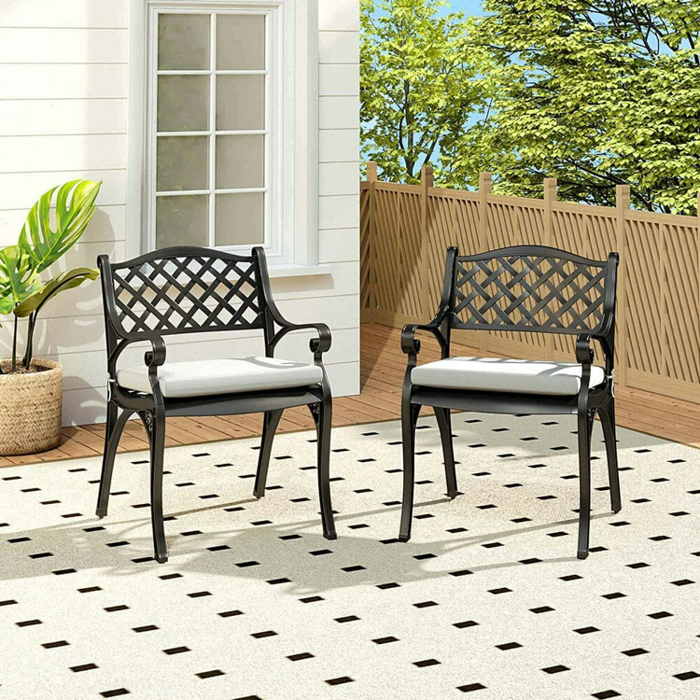
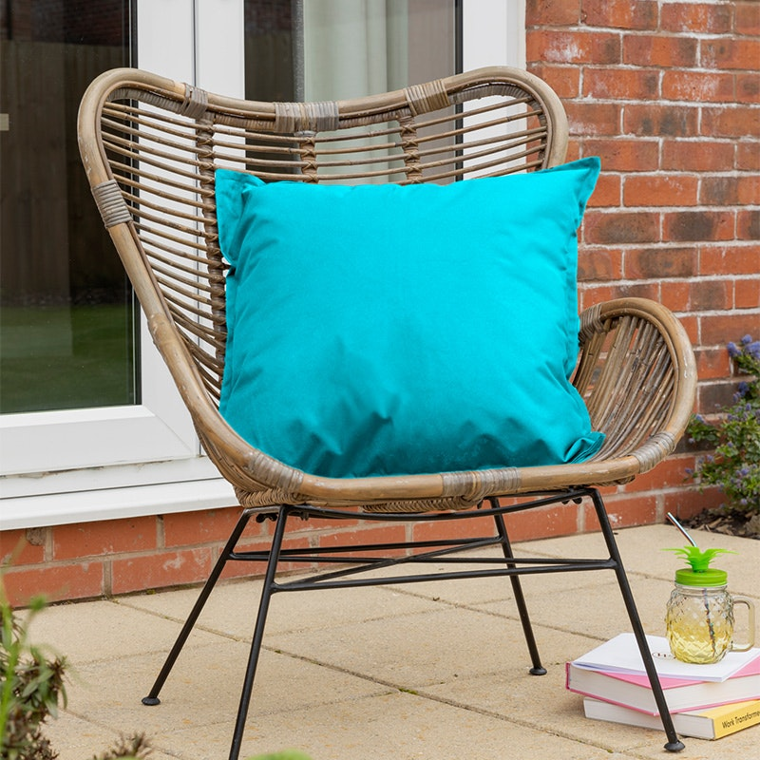
Garden chairs and armchairs offer flexible, individual seating. They can be arranged around a table, grouped together for conversation, or moved around the garden as needed. Folding and recliner styles add even more versatility for smaller spaces or changing layouts.

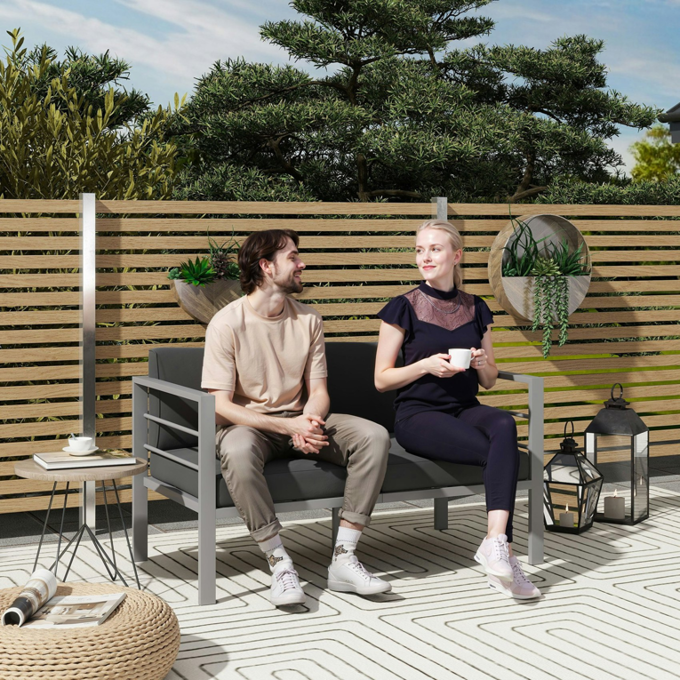
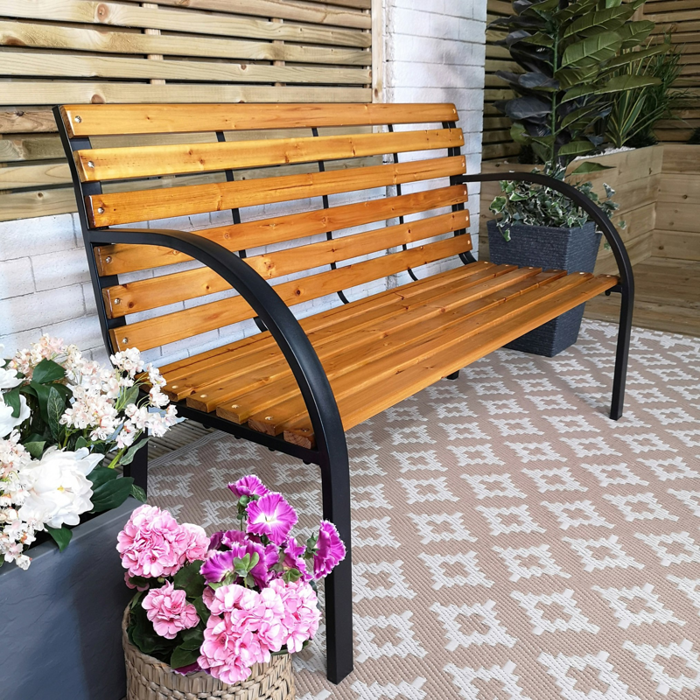
Garden benches provide practical, space-efficient seating, especially in narrower gardens or along paths and walls. They’re a simple way to seat several people without taking up as much room as multiple chairs.

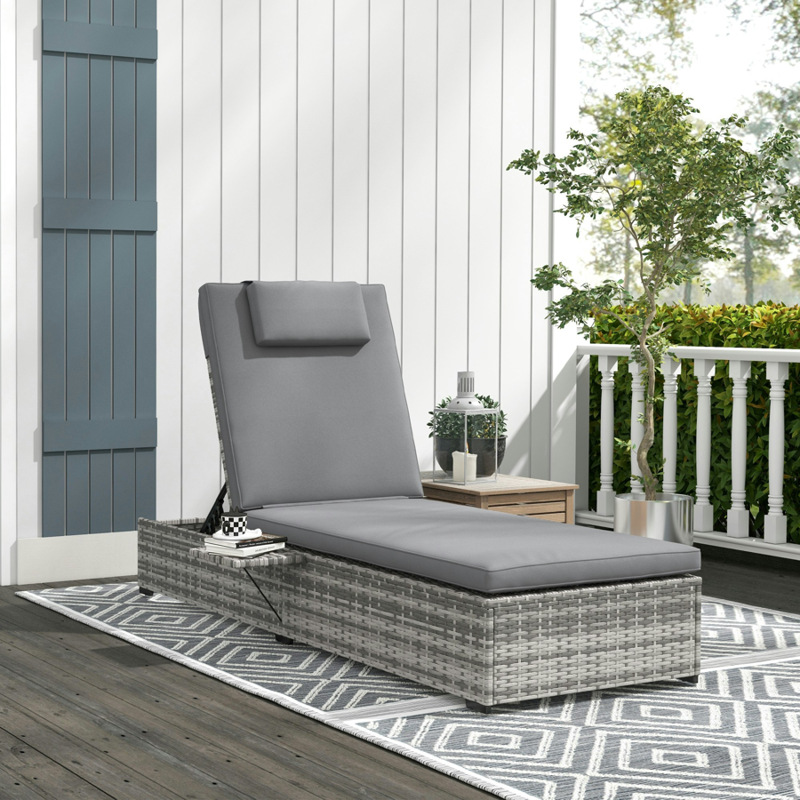
Sun loungers are designed for stretching out and relaxing. They’re ideal for sunbathing, reading, or enjoying quiet time in the garden and are often used alongside other seating rather than as the main seating option.

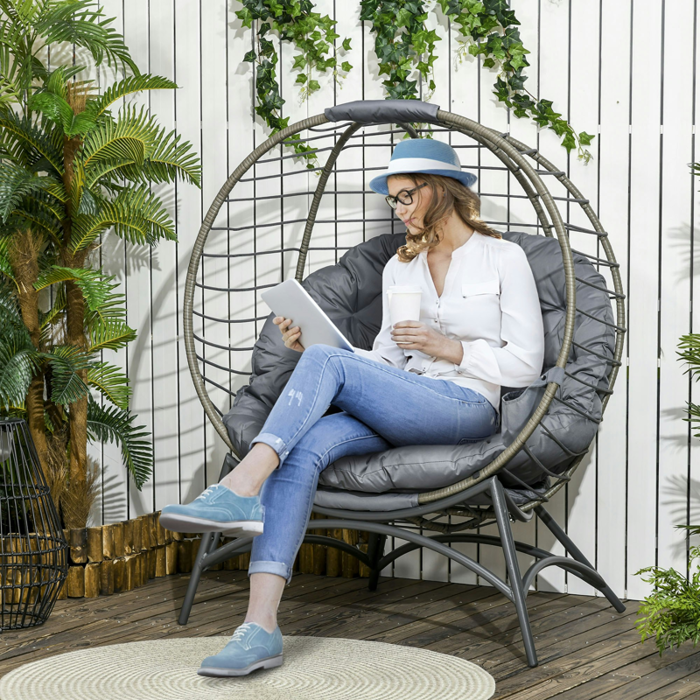
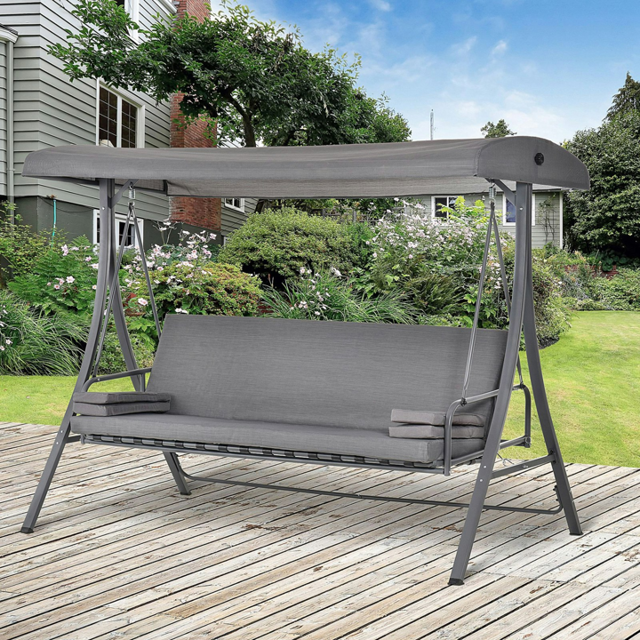
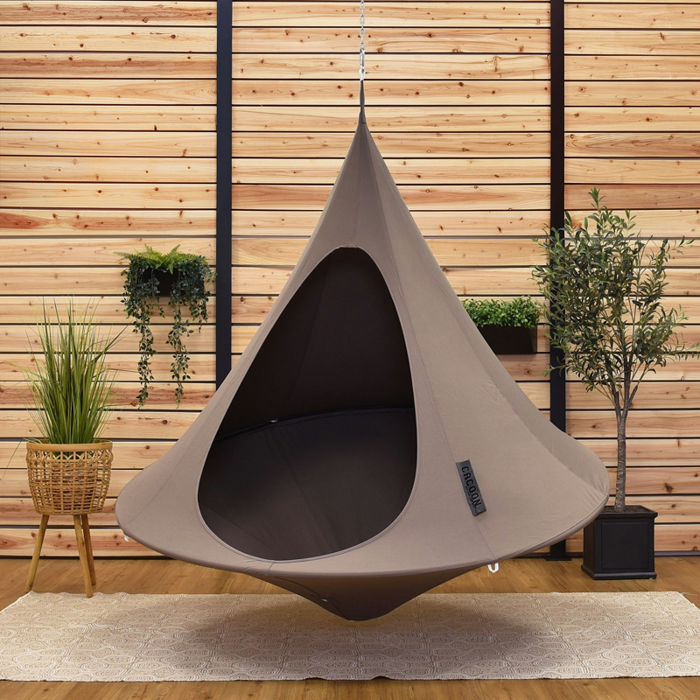
Egg chairs, hanging chairs and swing seats add a more playful, feature-style element to a garden. These are often chosen as statement pieces for relaxing and unwinding rather than for large groups.

By mixing and matching these different seating types, it’s possible to create an outdoor space that feels balanced, comfortable and suited to how you spend time in your garden.

When a garden sofa is the right choice

When a garden sofa is the right choice

Garden sofas are designed for comfort, relaxation and social time. They are best suited to gardens where seating is used for long periods, whether that is reading, chatting, enjoying drinks, or spending evenings outside with family and friends.

If you like the idea of your outdoor space feeling like an extension of your living room, a sofa set is often the best starting point. Deep cushions, supportive backrests and generous seating make it easy to relax without feeling like you are perched on a dining chair.

Sofa sets work especially well in medium to large gardens, patios and decking areas where there is room to create a defined seating zone. They can be arranged around a coffee table, rising table or firepit table to create a central place to gather.

They are also ideal if you entertain regularly. Modular sofa sets, in particular, allow you to rearrange seating to suit different occasions, spreading out for relaxed evenings or pulling pieces together when more people arrive.

Expert tip: Think about how long you will be sitting

If you regularly spend hours outside, comfort matters more than how many people you can seat. Sofas and armchairs are usually far more comfortable for longer stays than dining-style seating.

When chairs and armchairs make more sense

When chairs and armchairs make more sense

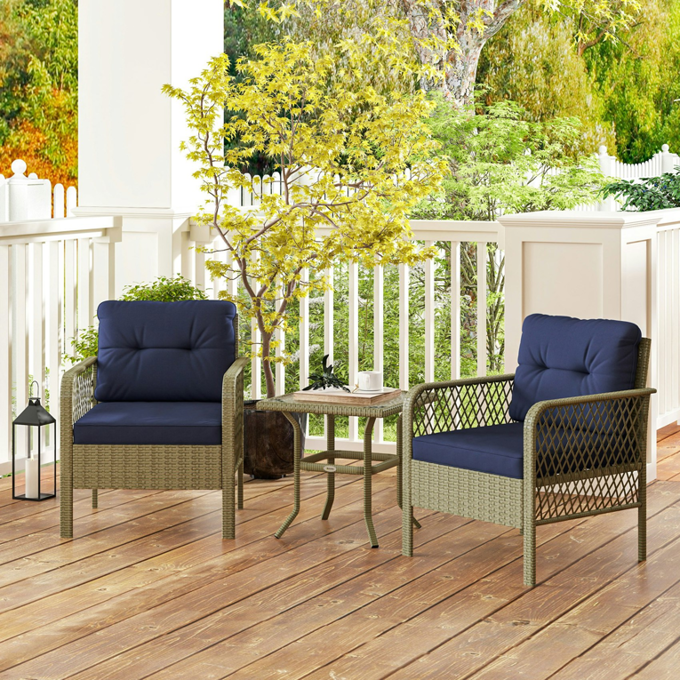
Garden chairs and armchairs are ideal when flexibility matters as much as comfort. They suit spaces where you want to be able to move seating around easily, create different layouts, or make use of smaller areas without committing to a full sofa set.

Chairs work especially well on balconies, compact patios and mixed-use gardens where furniture needs to be lightweight and adaptable. You can group them around a small table for coffee, spread them out when guests arrive, or store them away when you want more open space.

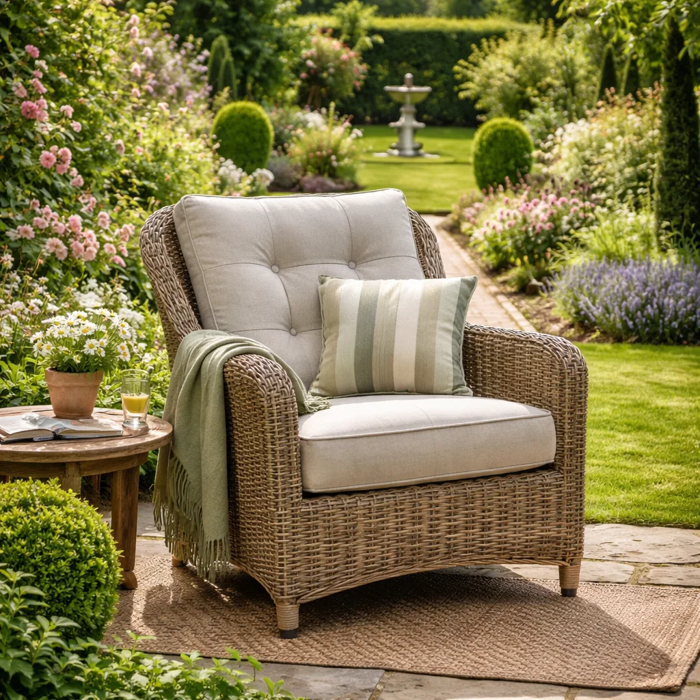
Armchairs sit slightly higher in comfort than standard dining chairs, offering deeper seats and better back support. They are a good option if you want something more relaxed than upright seating but do not have the space for a full sofa.

This type of seating also pairs well with bistro sets and small patio tables, making it easy to create intimate, casual seating areas without filling the whole garden.

Expert tip: Mix rather than match

You do not need every seat to be the same. Combining armchairs with dining chairs or folding chairs gives you flexibility and helps your space feel less rigid and more natural.

When benches, loungers and statement seating are a better fit

When benches, loungers and statement seating are a better fit

Not every garden needs a full sofa or dining set. Sometimes individual pieces create a more natural, relaxed outdoor space, especially in gardens that are used for quiet moments as well as social time.

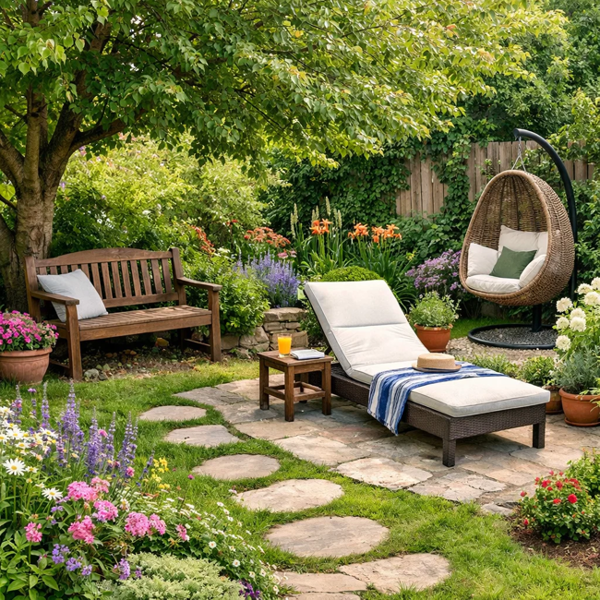
Garden benches are perfect for placing along paths, under trees or against walls. They provide simple, comfortable seating without taking up much room and work well in both traditional and modern gardens. A bench is often used as an extra seat rather than the main place to sit, making it ideal for smaller or more landscaped spaces.

Sunloungers are best suited to gardens that are used for unwinding and soaking up the sun. They work particularly well around lawns, pools, or patios where people want to stretch out and relax. If your outdoor space is more about switching off than entertaining, loungers may be more useful than a full seating set.

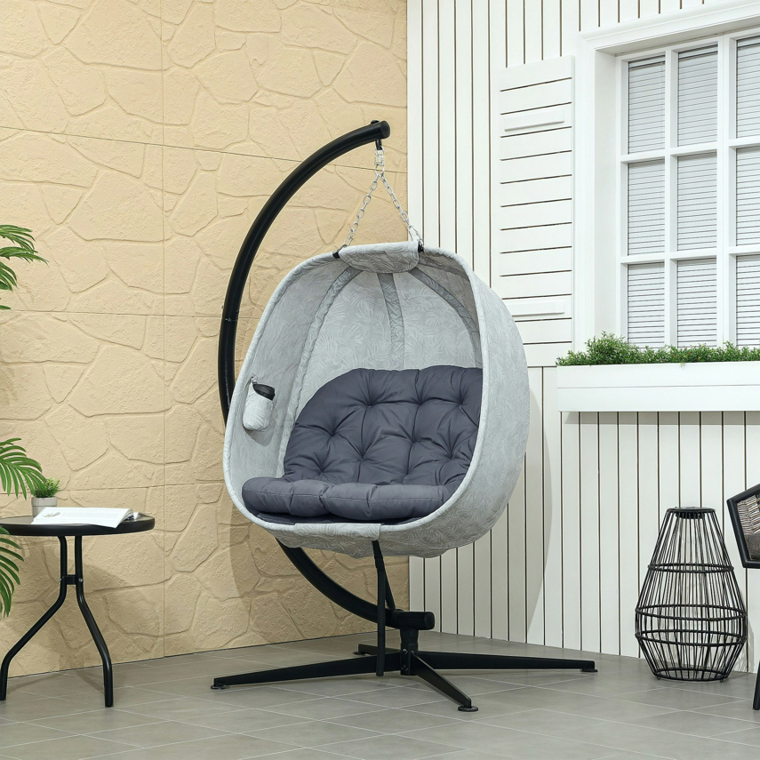
Egg chairs and hanging chairs bring a more playful, statement look to a garden. They are designed for one or two people at a time and are ideal for reading, relaxing or creating a quiet corner. These pieces work best when combined with other seating rather than used on their own, adding character without trying to do everything.

Expert tip: Use statement pieces to break up large sets

Even if you have a patio set or sofa group, adding a hanging chair or a bench nearby makes the garden feel more layered and interesting rather than one large block of furniture.

Comfort, cushions and practical details

Comfort, cushions and practical details

Comfort is what turns garden seating from something you own into something you actually use. The thickness of cushions, the angle of the backrest and the depth of the seat all affect how long you will want to sit outside, whether that is for a quick coffee or an entire evening.

Look for seating with supportive cushions and fabrics designed for outdoor use. Removable covers make it easier to keep everything clean, especially in gardens that are used often or where food and drinks are part of outdoor life. Deeper seats and higher backs tend to suit lounging and relaxing, while more upright chairs are better for dining and conversation.

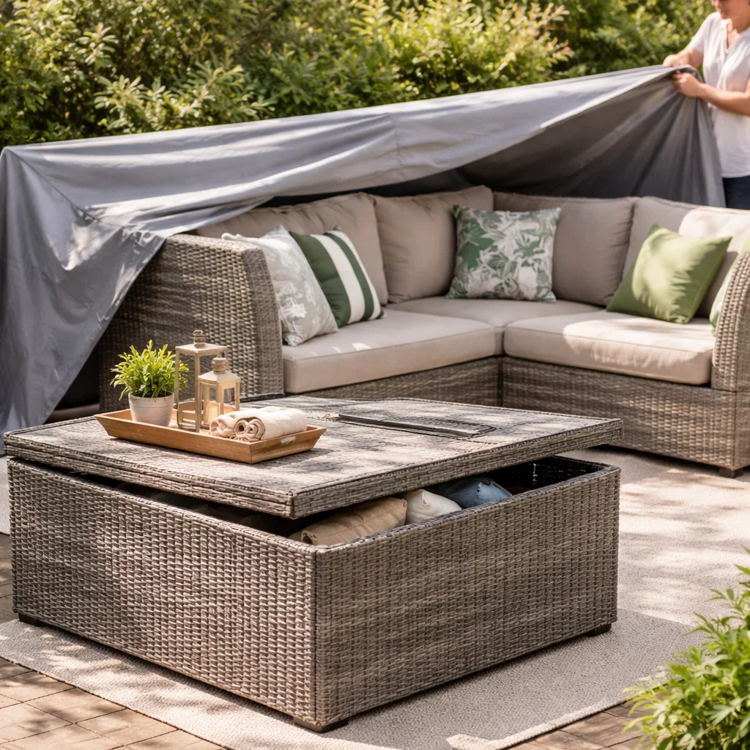
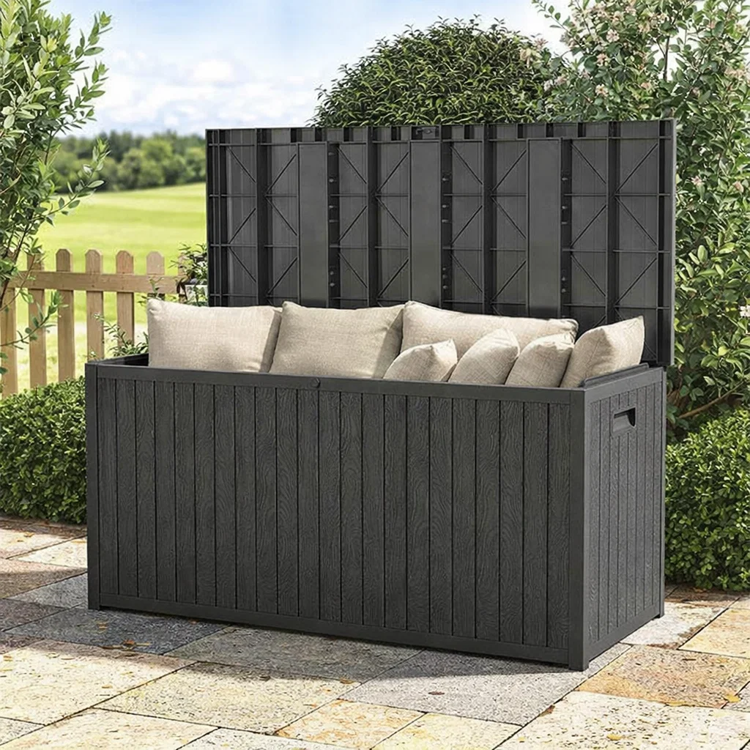
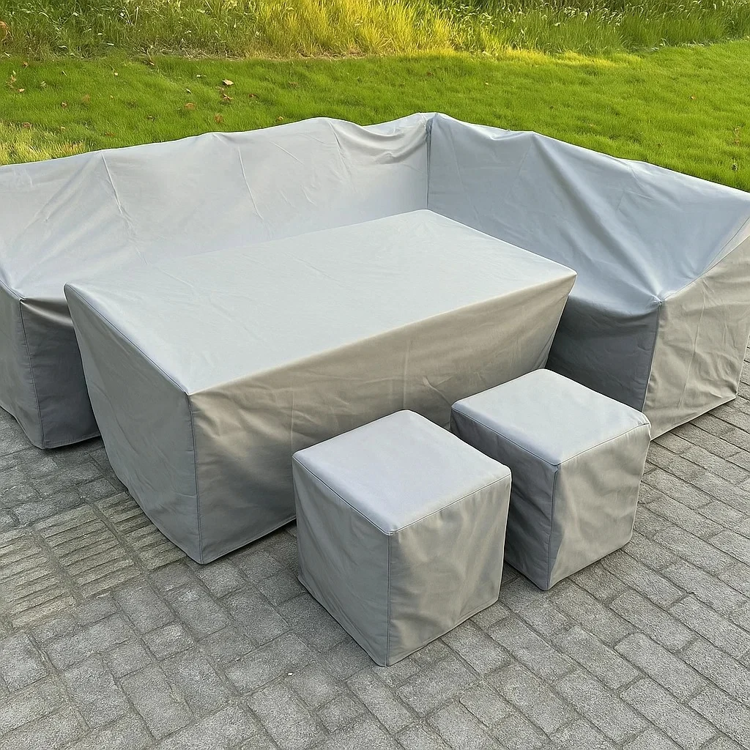
Practical details also matter. Storage boxes allow you to keep cushions dry and protected when they are not in use, and fitted covers help shield furniture from rain, pollen and dirt. If you have space, keeping cushions stored separately during autumn and winter helps prevent damp and keeps them in better condition for the next season.

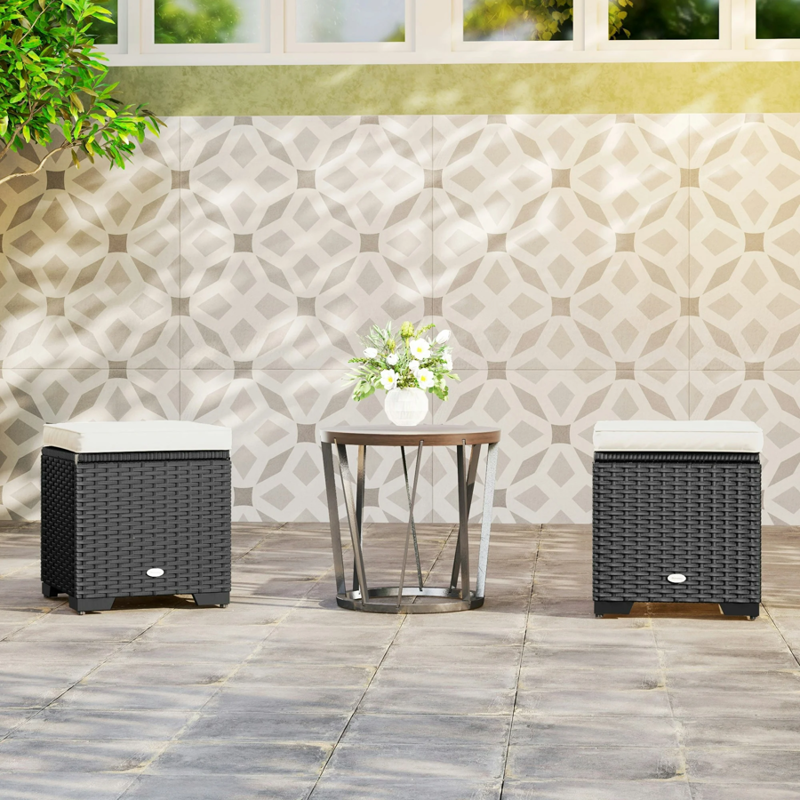
Small touches such as footstools, ottomans and side tables can also make a big difference. These pieces add flexibility, giving you somewhere to rest your feet, set down a drink or create extra seating when friends come over.

Expert tip: Protect cushions as well as frames

Even when furniture is covered, cushions are best stored separately in wet or cold weather. This helps prevent moisture build up and keeps fabrics fresher for longer.

Shade and shelter for garden seating

Shade and shelter for garden seating

How exposed your seating is to sun, wind and light rain plays a big role in how comfortable it feels throughout the day. Even the most comfortable chair or sofa can become less inviting if it sits in strong sun or a draughty corner of the garden.

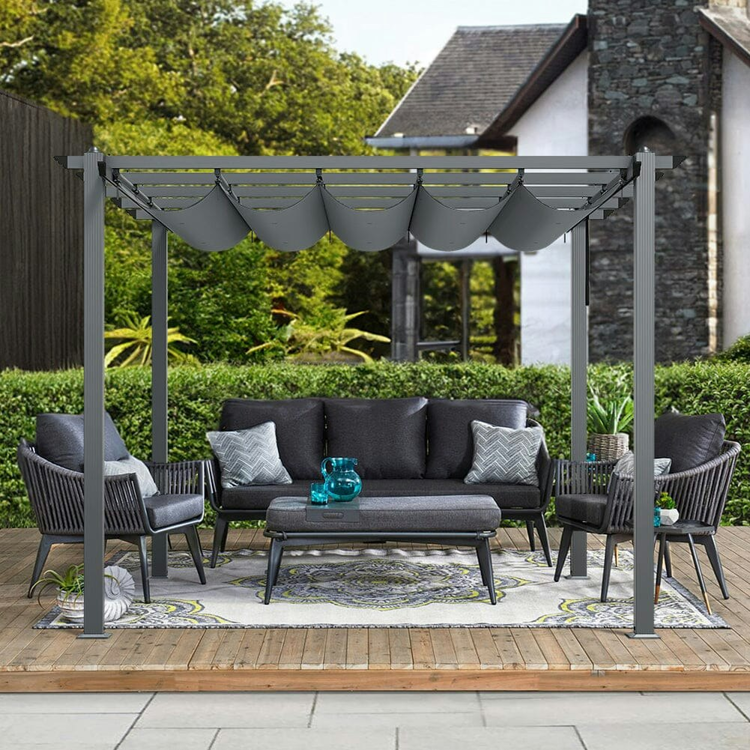
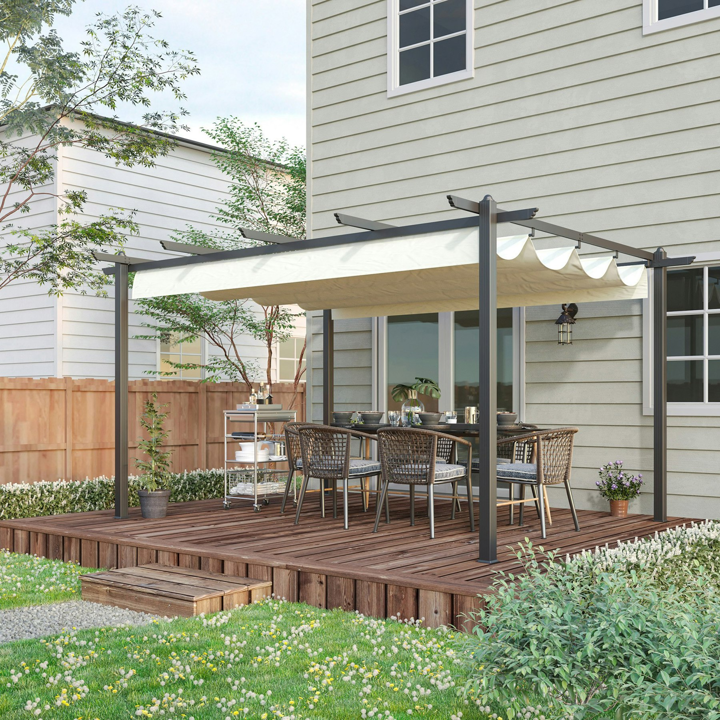
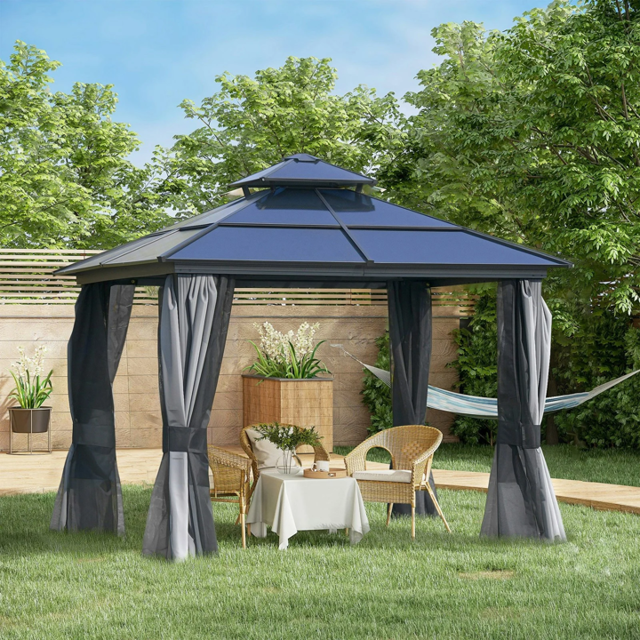
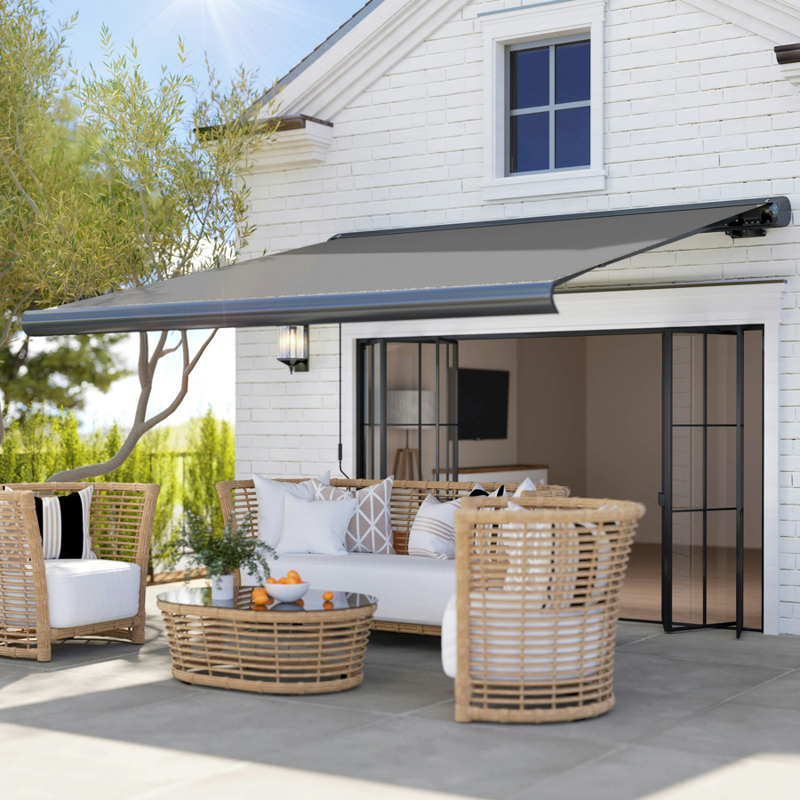
Placing seating under shade helps keep cushions cooler, prevents fabrics from fading and makes it easier to relax for longer periods. Parasols are a simple way to add flexible shade over tables and seating areas, while pergolas, gazebos and canopies provide more consistent cover for larger setups.

If your garden is overlooked or open to the wind, side panels, screens or fabric panels can make a big difference. These create a more sheltered, private feeling around your seating, making the space more comfortable and easier to use in a wider range of weather.

Choosing the right combination of seating and shelter allows you to get much more use from your outdoor space, whether you are enjoying bright summer afternoons or cooler evenings.

Expert tip: Shade the seating, not just the table

When adding parasols or structures, focus on keeping seating and cushions in the shade rather than just the tabletop. Fabrics and padding are more affected by sun than frames, so protecting the areas you sit on most helps keep everything looking and feeling better for longer.

Final checklist before you choose

Final checklist before you choose

Before settling on your garden seating, it is worth taking a moment to make sure everything fits your space, your lifestyle and the way you use your garden. These final checks help avoid common mistakes and make sure the seating you choose works well for years to come.

Have you measured your space properly, including room for chairs to move and people to walk around? Does the type of seating suit how you actually use your garden, whether that is relaxing, entertaining, dining or spending time with family? Have you chosen a level of comfort that matches how long you like to sit outside, from upright chairs to deep cushioned sofas and loungers? Is there a plan for storing cushions and protecting furniture when it is not in use? Will your seating be comfortable in different weather, or does it need shade, covers or shelter?

Thinking through these points makes it much easier to choose seating that feels right, looks good in your garden and fits into everyday life outdoors.

Frequently asked questions about garden seating

What is the best type of garden seating for a small garden?

Smaller gardens, patios and balconies usually suit compact chairs, bistro sets or a small sofa rather than large corner sets. These options provide comfortable seating without overwhelming the space.

Are garden sofas waterproof?

Most garden sofas are designed to be weather resistant, but cushions and fabrics last longer when protected. Using fitted covers or storing cushions in a dry place helps keep everything in better condition.

Do I need cushions on garden chairs?

Cushions add comfort, especially if you spend longer periods sitting outside. Many chairs are designed to be used with or without cushions, so you can choose what suits your space and how you relax.

Can I mix different types of garden seating together?

Yes. Mixing sofas, chairs, benches and statement pieces like egg chairs often creates a more relaxed and natural looking outdoor space than using a single matching set.

How do I keep my garden seating in good condition?

Keeping furniture clean, using covers, and storing cushions during wet or cold weather will help protect materials and keep everything looking its best for longer.