

 0
0

 Free Delivery on all orders!
 The Rackhams Guarantee
How to Choose the Right Garden Shed or Outdoor Building for Your Space
Adding a garden building can transform how you use your outdoor space, but not all structures serve the same purpose. What works well for storing tools may not be suitable for growing plants, and a building designed for leisure will differ significantly from one intended purely for storage.
Today’s range of sheds, greenhouses and garden buildings offers far more choice than ever before. From compact tool stores and bike sheds to timber summerhouses, log cabins and purpose-built greenhouses, each structure is designed with a specific use in mind. Choosing the right one begins with understanding how you want your garden to function.
This guide explains the key differences between storage sheds, growing spaces and lifestyle buildings, along with practical considerations such as size, materials, positioning and maintenance. By clarifying your purpose first, you can select a structure that feels proportionate, practical and suited to your space for years to come.
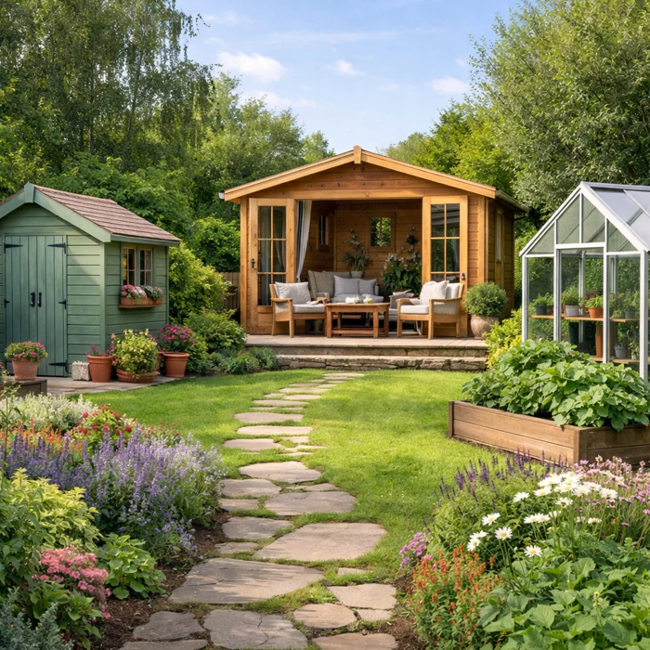
Start with Your Purpose
Before thinking about materials or size, be clear about what you actually need the building to do. Storage, growing and leisure uses all require different features, layouts and levels of protection. Choosing the wrong type can result in wasted space or unnecessary expense.
Broadly speaking, most garden buildings fall into three categories: storage, growing, or lifestyle use.
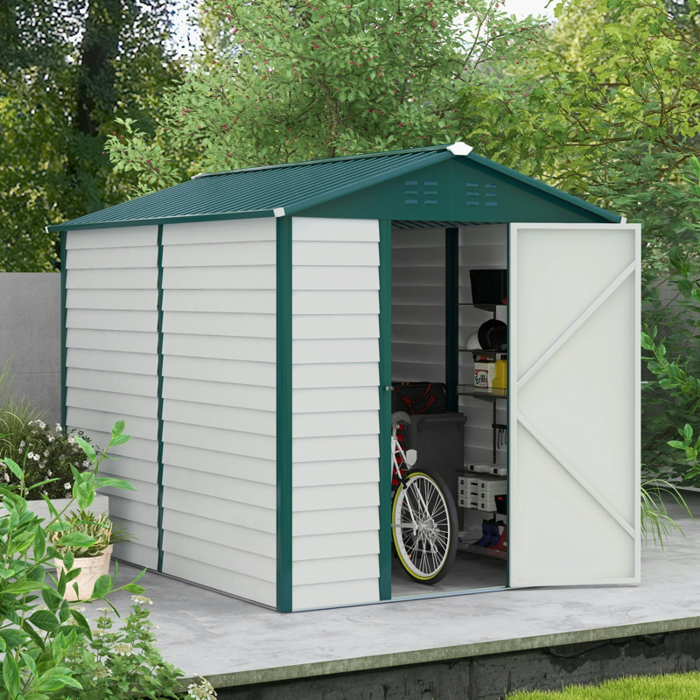
Storage: tools, bikes and general equipment
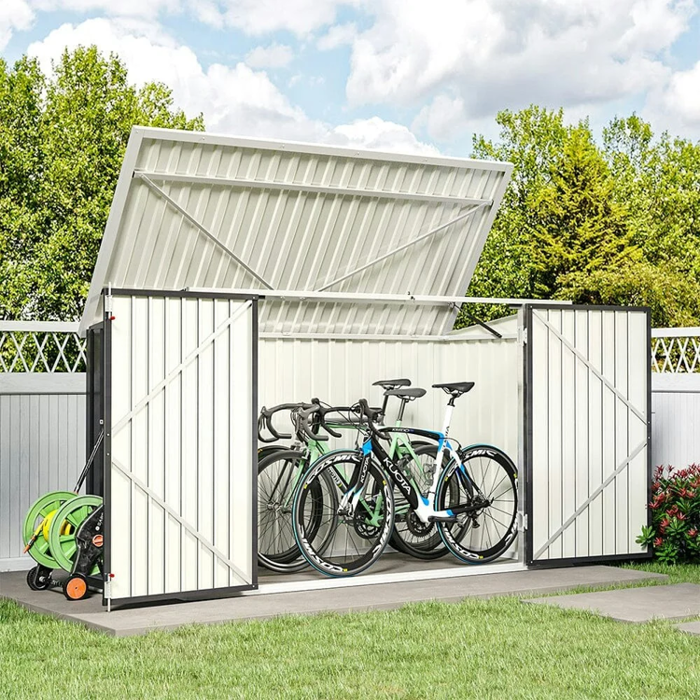
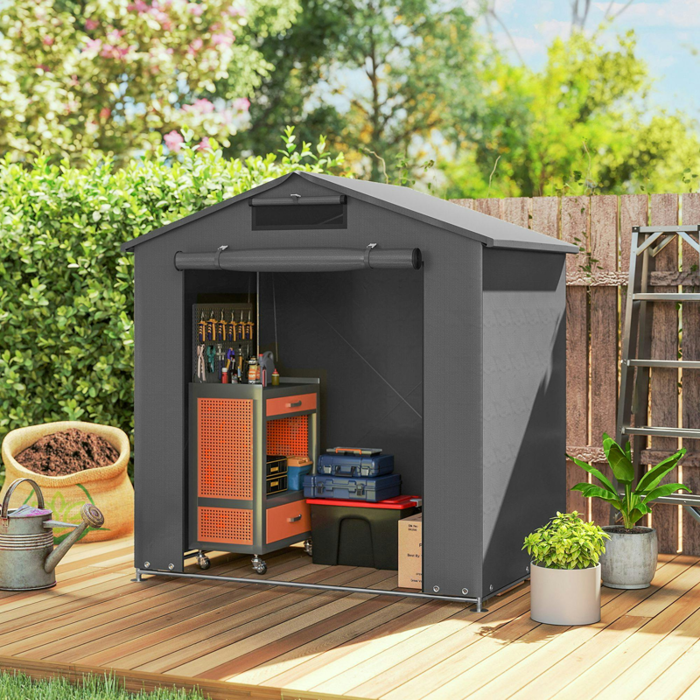
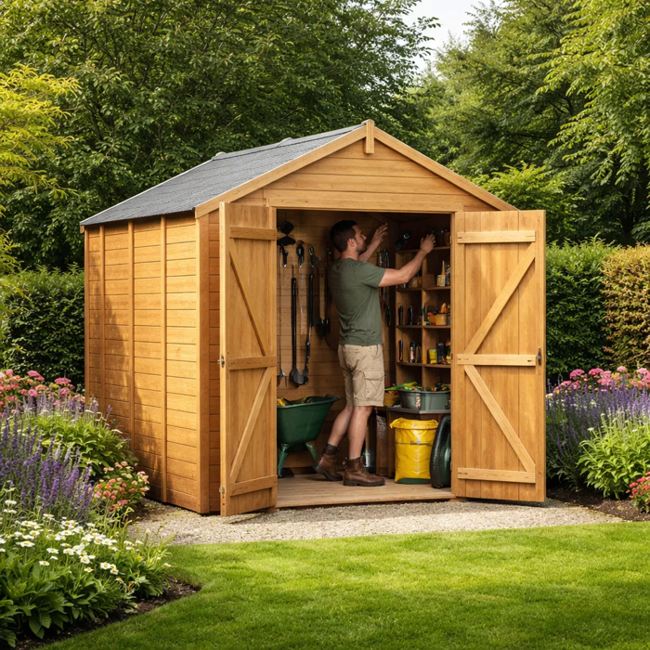
If your primary goal is to store garden tools, lawnmowers, outdoor cushions or household overflow, a shed is usually the most practical option.
Compact spaces may only require a small tool shed or portable shed designed for essentials. If you need secure storage for bicycles, a dedicated bike storage shed provides easier access and purpose-built layouts. Larger gardens often benefit from full-size wooden, metal or plastic sheds that can accommodate shelving, hooks and workspace.
When choosing a storage shed, think about:
- The largest item you need to store
- Whether you need room to move around inside
- Door width and access
- Security features
If storage is your only requirement, a straightforward shed solution will usually be the most cost-effective and efficient choice.
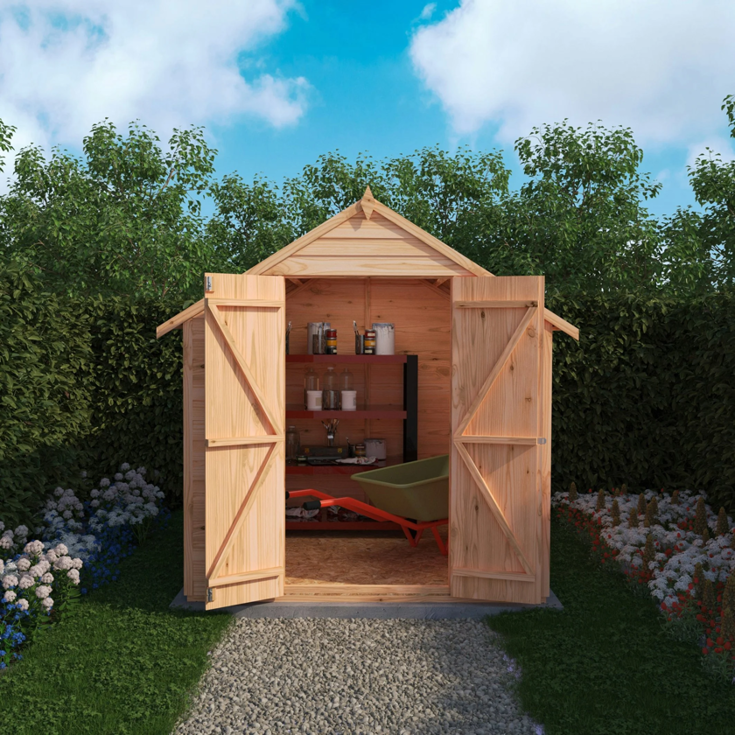
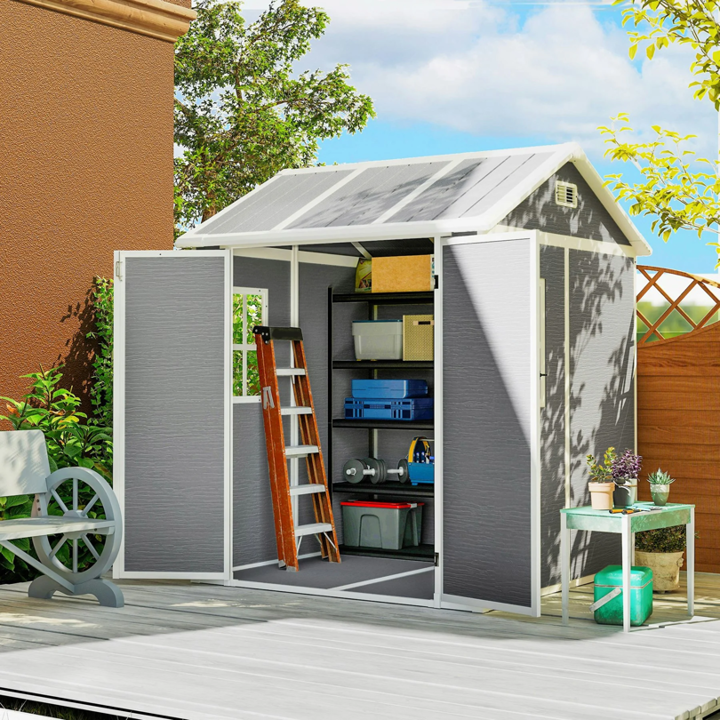
Growing: greenhouses and potting spaces
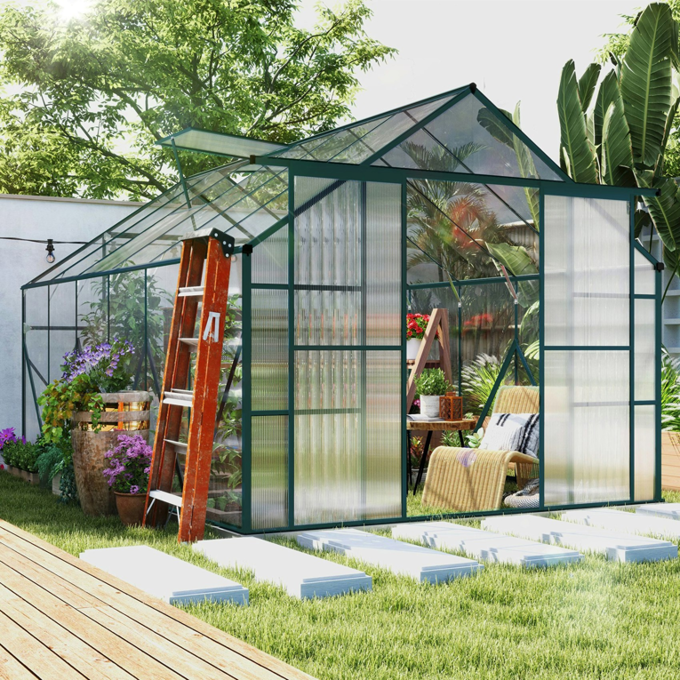
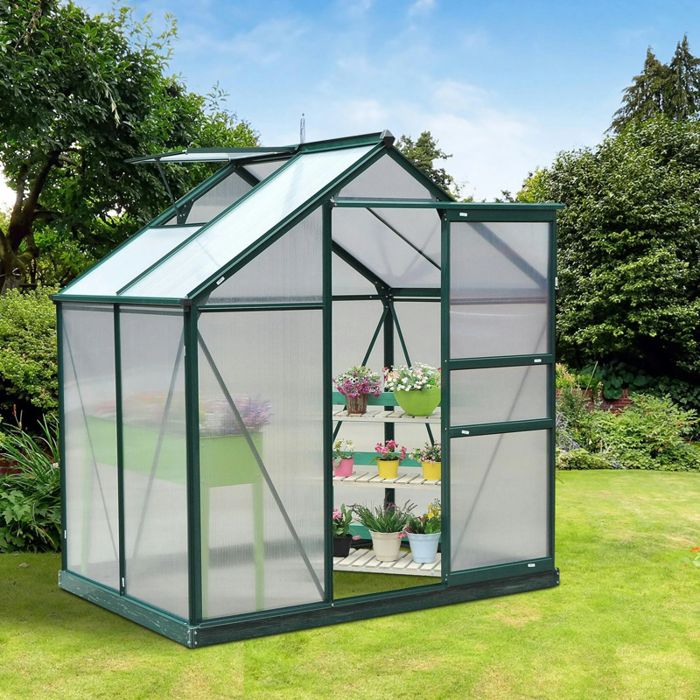
If your focus is cultivating plants, vegetables or seedlings, a greenhouse or potting shed may be more appropriate than a standard shed.
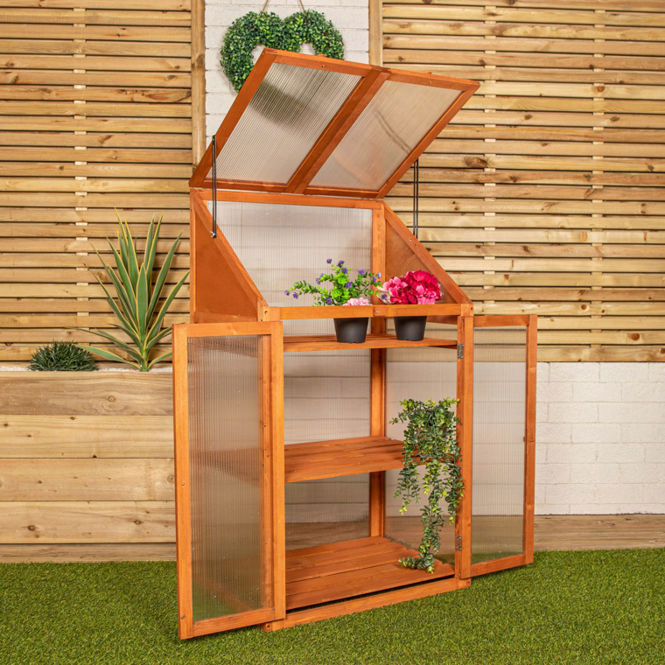
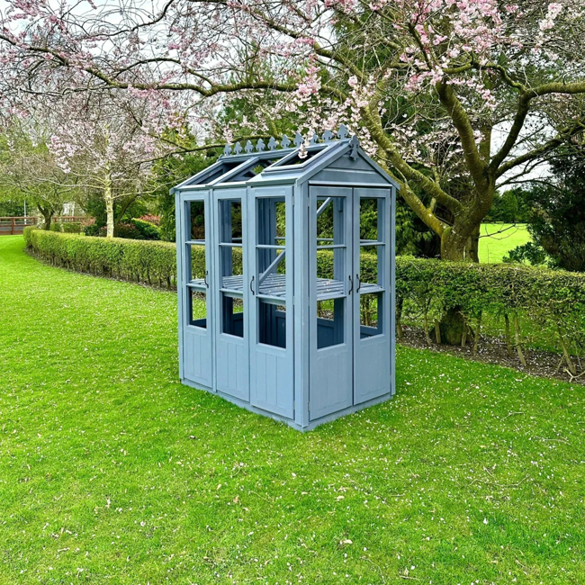
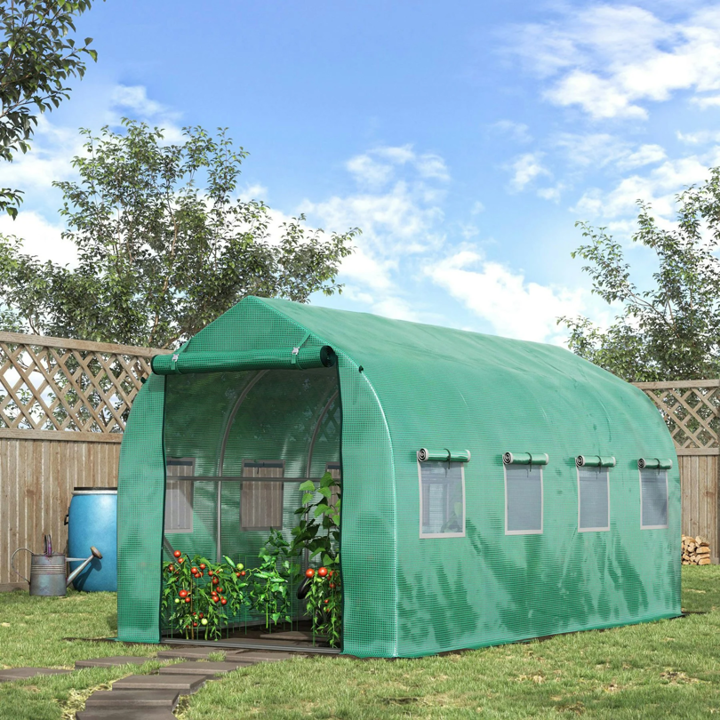
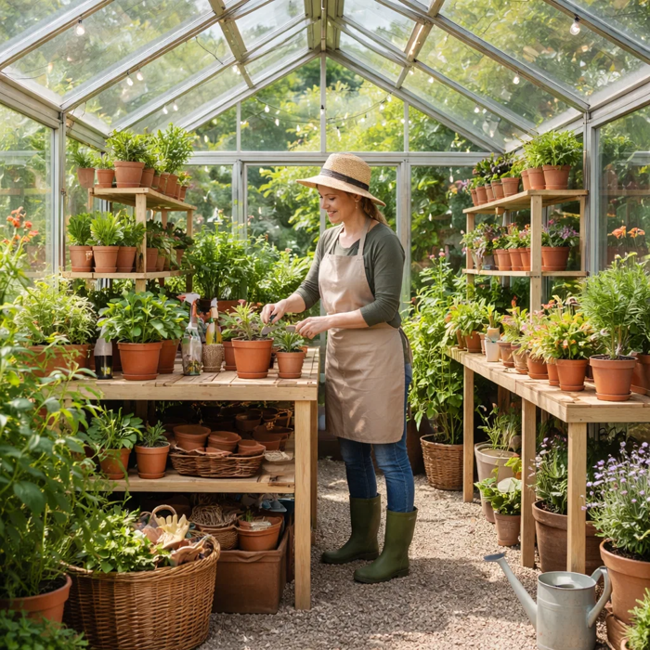
Greenhouses are designed to maximise light and create a controlled environment for growing. Depending on your needs, this could range from a compact mini greenhouse for patios to larger metal or wooden greenhouse structures or even polytunnels for more extensive planting.
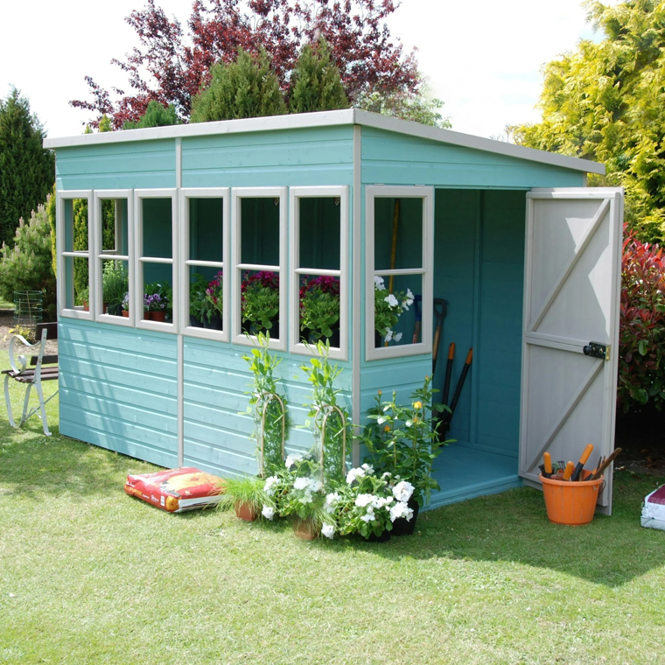
Potting sheds combine elements of storage and growing space, offering sheltered workspace along with storage for tools and compost.
When considering a growing structure, think about:
- Sun exposure and orientation
- Ventilation requirements
- Access to water
- Seasonal temperature changes
Growing environments require more attention to positioning and airflow than simple storage buildings.
Browse growing structures
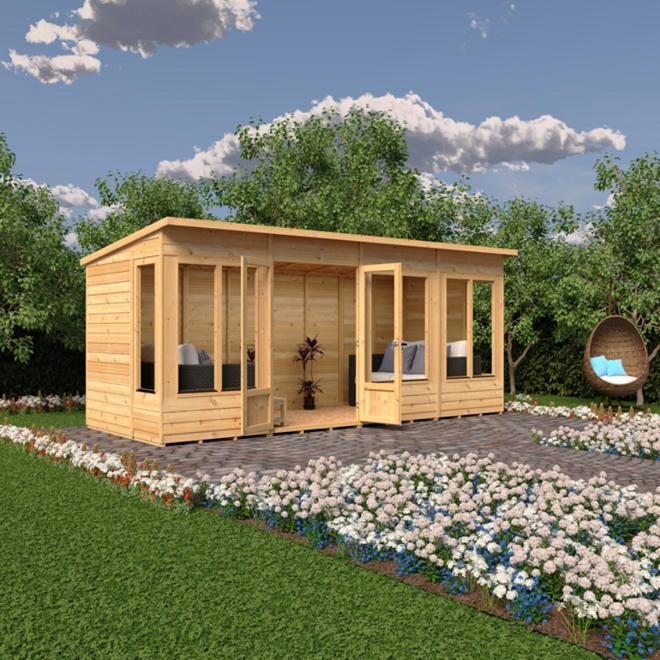
Leisure and lifestyle: more than storage
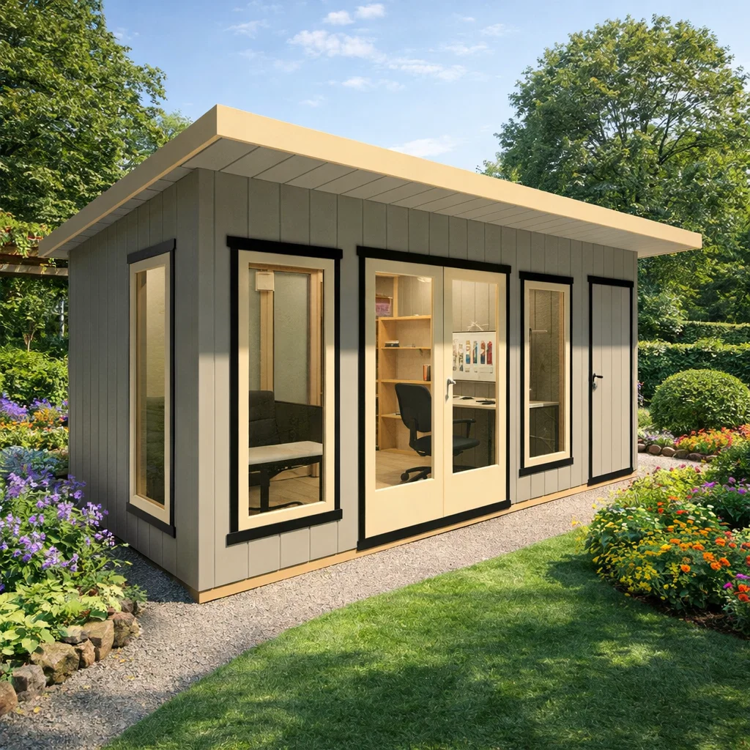
If you want to create a space for relaxing, entertaining or working from home, you may need something more substantial than a shed.
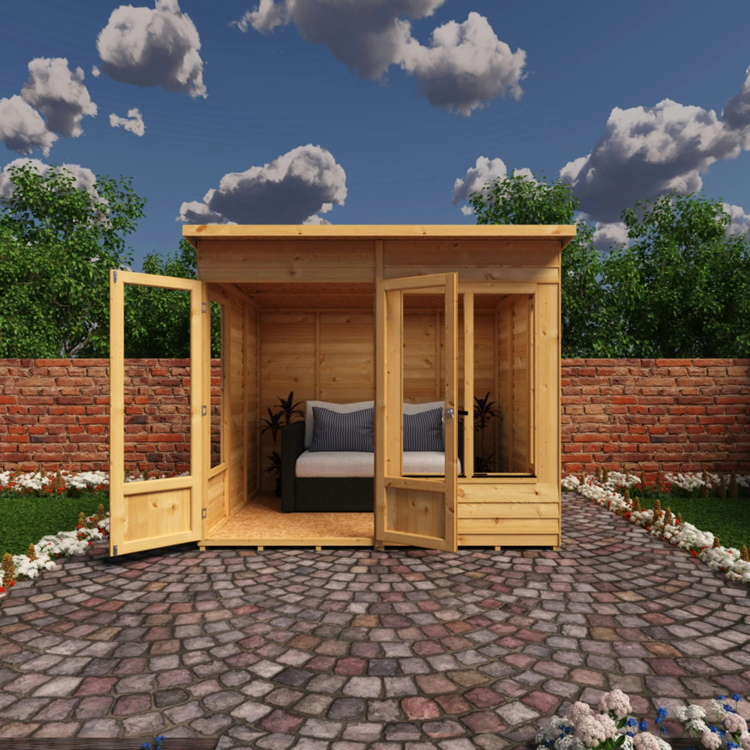
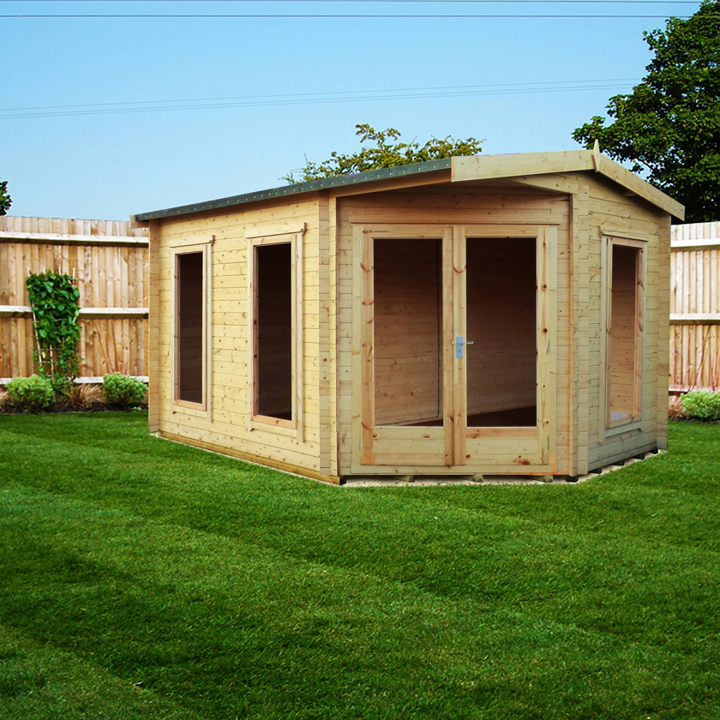
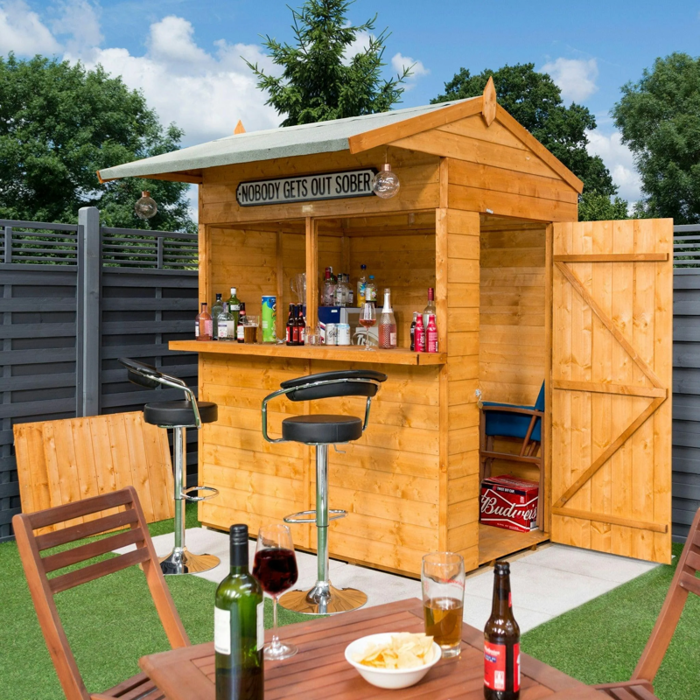
Summerhouses offer light-filled spaces for reading, hobbies or quiet retreat. Log cabins provide greater insulation and structural strength, making them suitable for multi-use garden rooms. Garden bars are designed specifically for entertaining, creating a social focal point in the garden.
These buildings are less about storage and more about extending living space outdoors. They typically require more planning in terms of base preparation, positioning and long-term maintenance.
Discover garden leisure buildings
Choosing the Right Size
Once you are clear on purpose, size becomes the next critical decision. A garden building should feel proportionate to both your space and your needs. Too small, and it quickly becomes restrictive. Too large, and it can dominate the garden or create planning complications.
Start by measuring the footprint available. Allow space not just for the building itself, but for access around it. You should be able to comfortably open doors, move items in and out, and carry out maintenance without obstruction. If the structure will sit near a fence or boundary, check clearance requirements and consider long-term accessibility.
Think carefully about internal space as well as external dimensions. A shed used purely for storing tools may not require much headroom, but if you intend to move around inside or install shelving, extra width and height quickly become valuable. For greenhouses, vertical space matters for taller plants and ventilation. For summerhouses or log cabins, internal layout and furniture placement should be planned before choosing size.
It is also wise to consider future needs. Gardens evolve over time. You may acquire more equipment, expand planting projects or repurpose the building. Choosing slightly more space than you currently require can prevent the need for replacement later.
Before finalising size, consider:
- Door width and height
- Roof height and headroom
- Internal floor space
- Access routes for delivery and assembly
- Distance from boundaries
A building that fits comfortably within its surroundings will always feel more intentional and practical than one that pushes the limits of available space.
Materials Explained
The material you choose affects durability, maintenance, appearance and long-term performance. While many garden buildings may look similar at first glance, the construction material plays a significant role in how the structure performs in different conditions.
Different materials suit different needs. The right choice depends on exposure levels, budget, aesthetics and how much ongoing maintenance you are prepared to undertake.
Wooden sheds and buildings
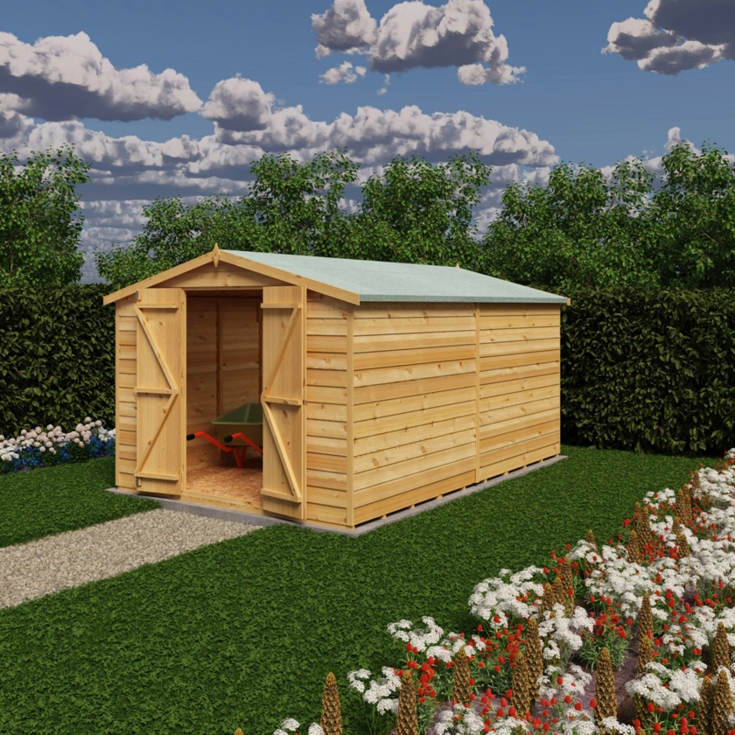
Wooden sheds are a traditional and popular choice, offering a natural appearance that blends easily into most garden settings. Timber structures can be robust and visually appealing, making them suitable for both practical storage and more decorative garden buildings.
Wood is versatile and easy to customise with shelving, hooks or interior fittings. It also provides a warmer internal feel compared to metal or plastic alternatives.
However, timber requires ongoing care. Regular treatment or staining helps protect against moisture, rot and insect damage. In exposed or damp locations, maintenance becomes particularly important to preserve structural integrity.
Wooden structures are often preferred when appearance matters as much as function.
Metal sheds and structures
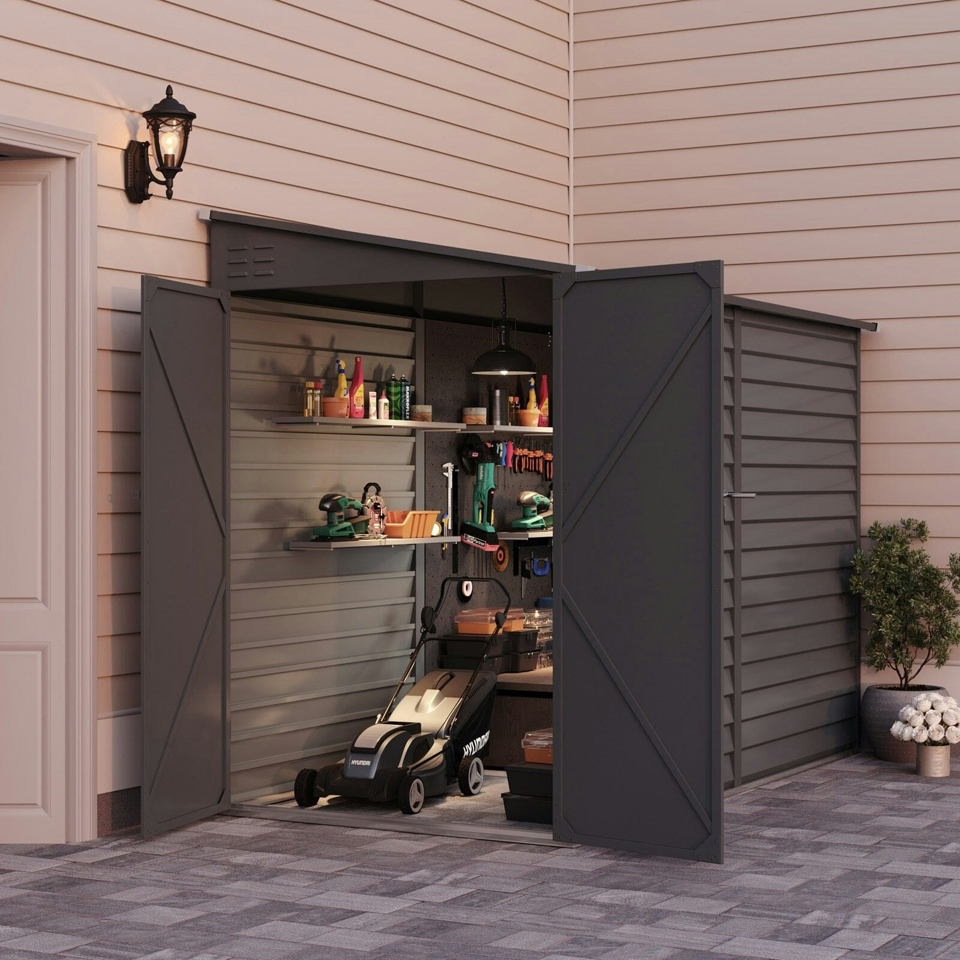
Metal sheds are valued for their strength and relatively low maintenance requirements. Many are made from galvanised steel or similar treated materials designed to resist corrosion.
They can offer excellent security for tools and equipment and are often chosen for practical storage rather than aesthetic appeal. Metal buildings typically require less routine treatment than timber, although checking for surface wear over time remains important.
Condensation can occasionally be a consideration in metal sheds, particularly in cooler months, so ventilation and positioning should be planned carefully.
Metal options are well suited to functional storage in gardens where durability and security are priorities.
Plastic sheds and resin buildings
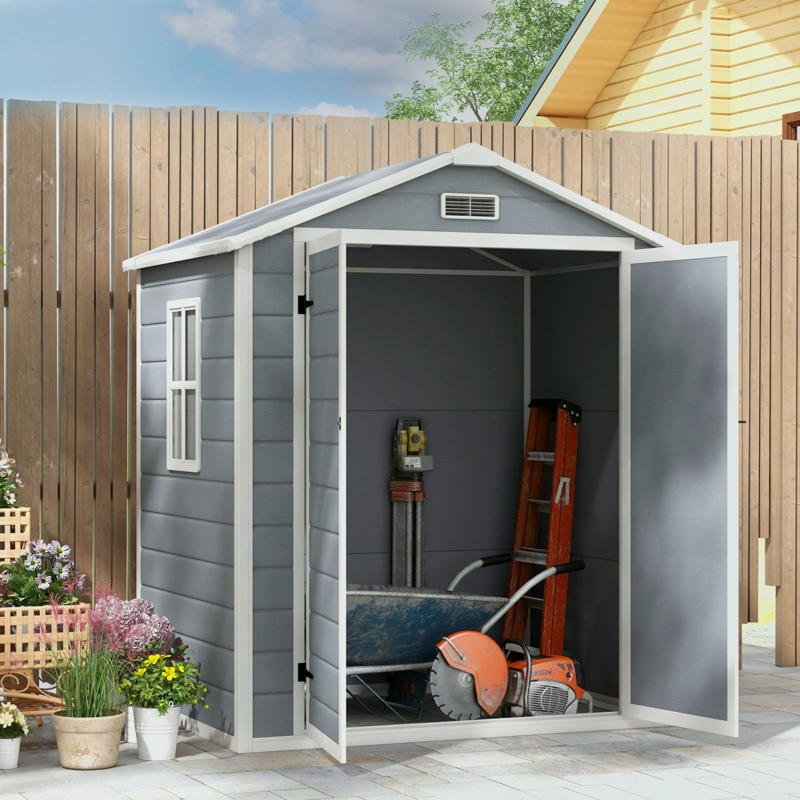
Plastic and resin sheds are lightweight, weather-resistant and generally low maintenance. They do not require painting or treatment and are resistant to rot and rust.
Modern designs can offer improved durability and UV resistance compared to earlier plastic models. They are often easy to assemble and suitable for smaller gardens or where minimal upkeep is preferred.
While plastic structures may not have the traditional character of timber, they provide a practical and straightforward storage solution.
Greenhouse glazing and frame materials
For greenhouses, both the frame and the glazing material matter.
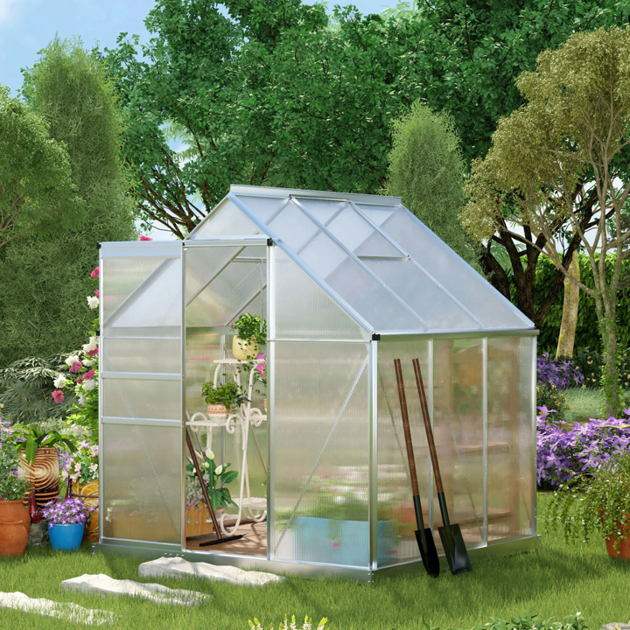
Frames are typically metal or wood. Metal frames are often chosen for strength and minimal maintenance, while wooden greenhouse frames can offer a more traditional aesthetic.
Glazing materials may include glass or polycarbonate panels. Polycarbonate is lighter and more impact-resistant, while glass provides a clear, classic finish. Each performs differently in terms of insulation and durability, so the choice should reflect climate conditions and usage patterns.
Foundations and Positioning
No garden building will perform well without a suitable base. Even the highest-quality shed or greenhouse can suffer from structural issues if positioned on uneven or unstable ground.
A solid, level foundation helps prevent movement, water ingress and long-term warping. It also improves door alignment and overall durability.
Choosing the right base
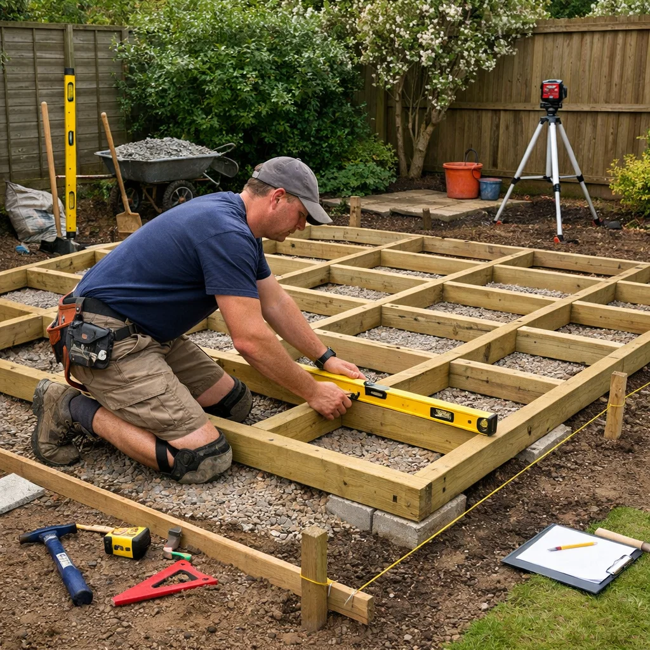
Most sheds and garden buildings require a firm, level surface. Common base options include:
- Concrete slabs
- Paving slabs
- Timber frame bases
- Purpose-built shed bases
Concrete provides the most permanent and stable solution, particularly for larger sheds, log cabins or garden bars. Paving slabs offer a practical alternative for medium-sized buildings. Timber bases can be suitable for smaller sheds, provided they are level and properly supported.
Greenhouses also benefit from stable foundations, but positioning becomes even more important due to light exposure and airflow.
Positioning for practical use
When deciding where to place your building, think about how you will access it daily.
For storage sheds, proximity to the house or lawn area can improve convenience. For bike storage sheds, positioning near pathways or gates makes access easier.
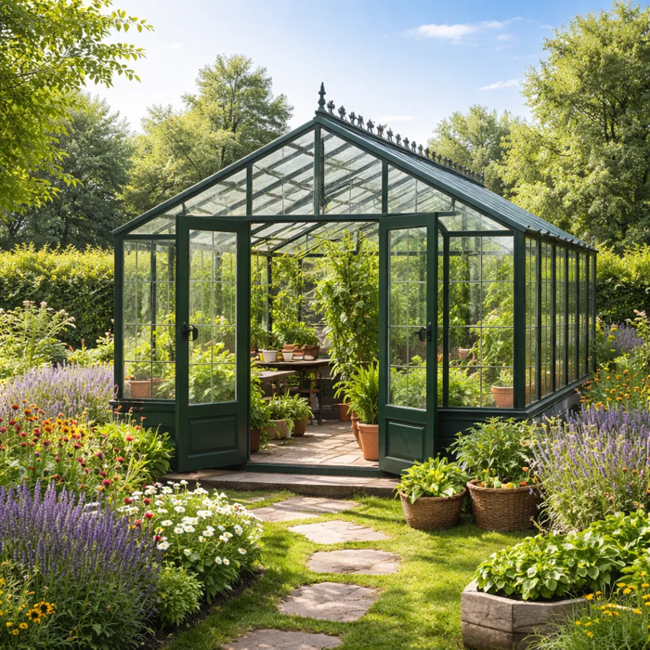
Greenhouses should ideally be placed in a location that receives consistent sunlight throughout the day, avoiding heavy shade from fences or trees. Orientation can influence plant growth and internal temperature.
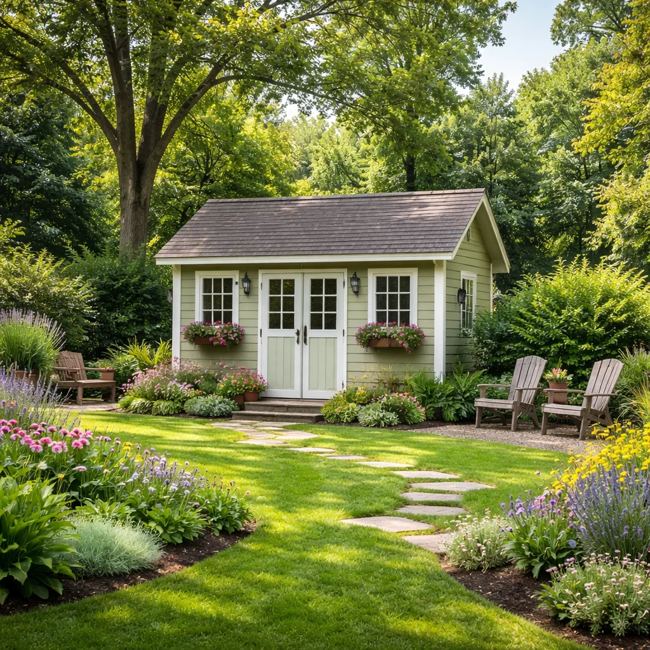
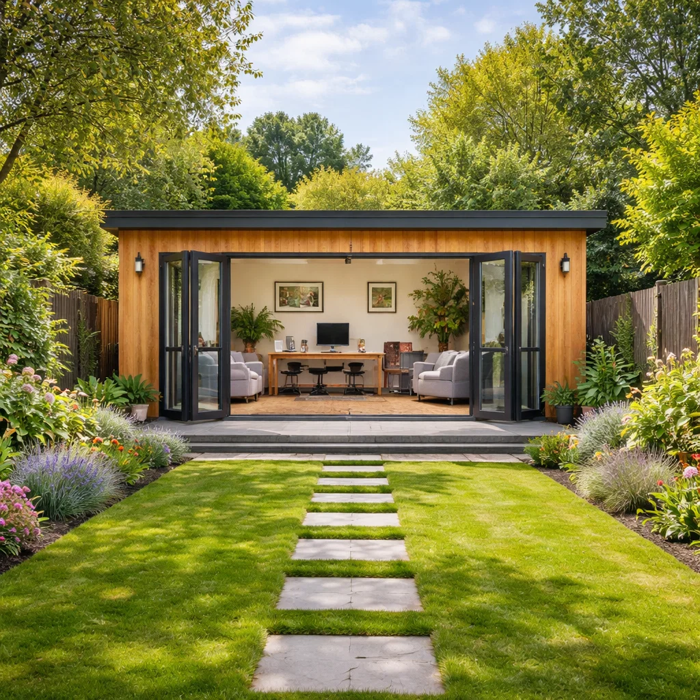
Leisure buildings such as summerhouses or log cabins may benefit from a more considered position, perhaps framing a view or creating a focal point within the garden.
Allow for ventilation and drainage
Airflow is important, particularly for greenhouses and wooden structures. Avoid placing buildings directly against fences or walls without sufficient clearance. This helps prevent moisture build-up and allows for easier maintenance.
Drainage should also be considered. Avoid low points in the garden where water naturally collects. Standing water can shorten the lifespan of timber structures and affect stability over time.
Planning and boundary considerations
Before installing larger buildings, check local planning guidelines. While many garden sheds and greenhouses fall within permitted development, size and positioning relative to boundaries may be regulated.
Understanding these requirements early avoids disruption later.
A well-positioned building feels integrated into the garden rather than added as an afterthought. Taking time to plan the base and location properly can significantly extend the life and performance of your structure.
Maintenance and Long-Term Care
A well-chosen garden building should last for many years, but durability depends not only on material choice, but also on ongoing care. Understanding basic maintenance requirements before purchasing helps you select a structure that matches your expectations and lifestyle.
Different materials require different levels of attention.
Caring for wooden structures
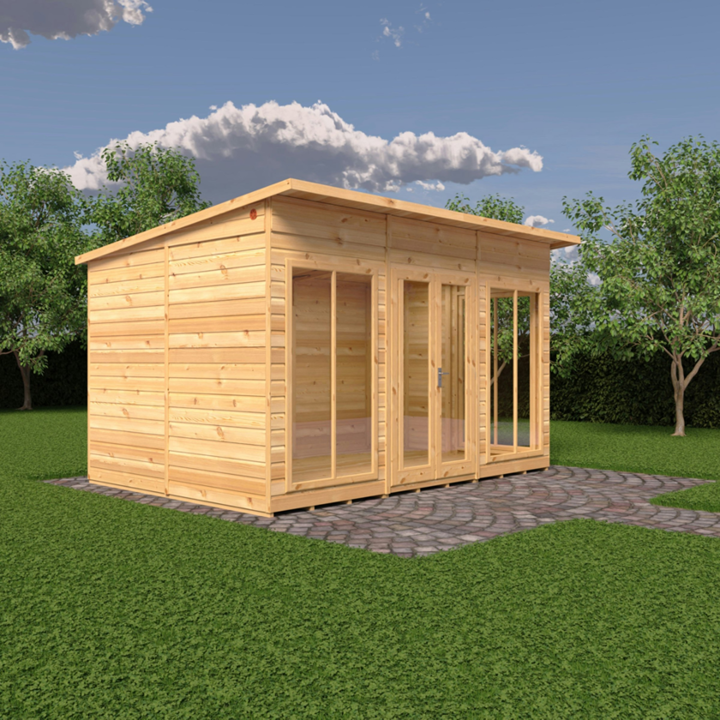
Timber sheds, summerhouses and log cabins benefit from regular treatment to protect against moisture, UV exposure and insect damage. Most wooden buildings should be treated shortly after installation and maintained periodically according to manufacturer guidance.
Re-staining or applying wood preservative helps maintain both appearance and structural strength. It is also important to check roof coverings and seals annually, particularly after harsh weather.
Ventilation inside wooden buildings helps prevent condensation and mould, especially if items are stored for long periods.
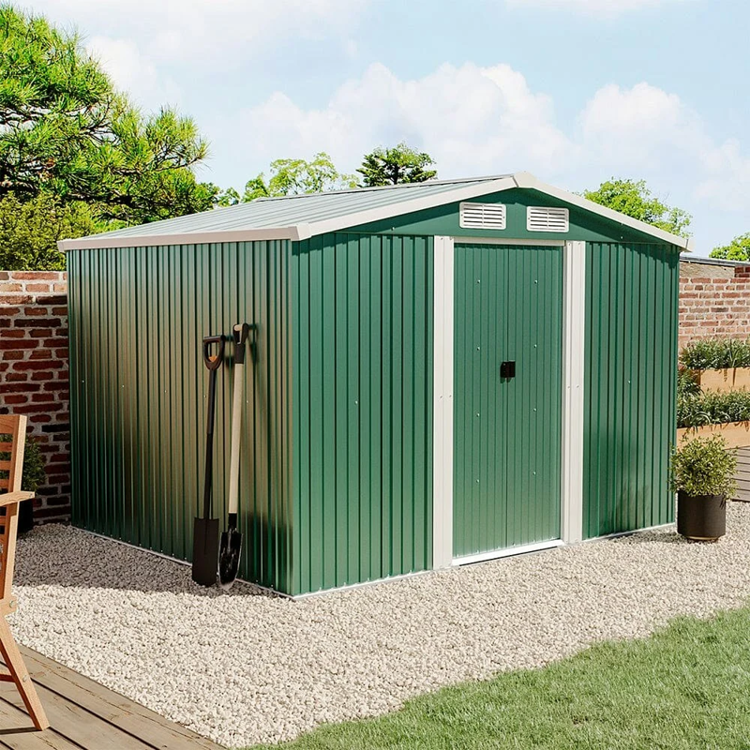
Maintaining metal buildings
Metal sheds and greenhouses generally require less routine maintenance than timber, but occasional inspection is still advisable.
Check for:
- Scratches in protective coatings
- Signs of corrosion at joints or fixings
- Roof panel integrity
Keeping the structure clean and ensuring water does not pool around the base will support long-term performance. Ventilation remains important, particularly to minimise condensation in cooler months.
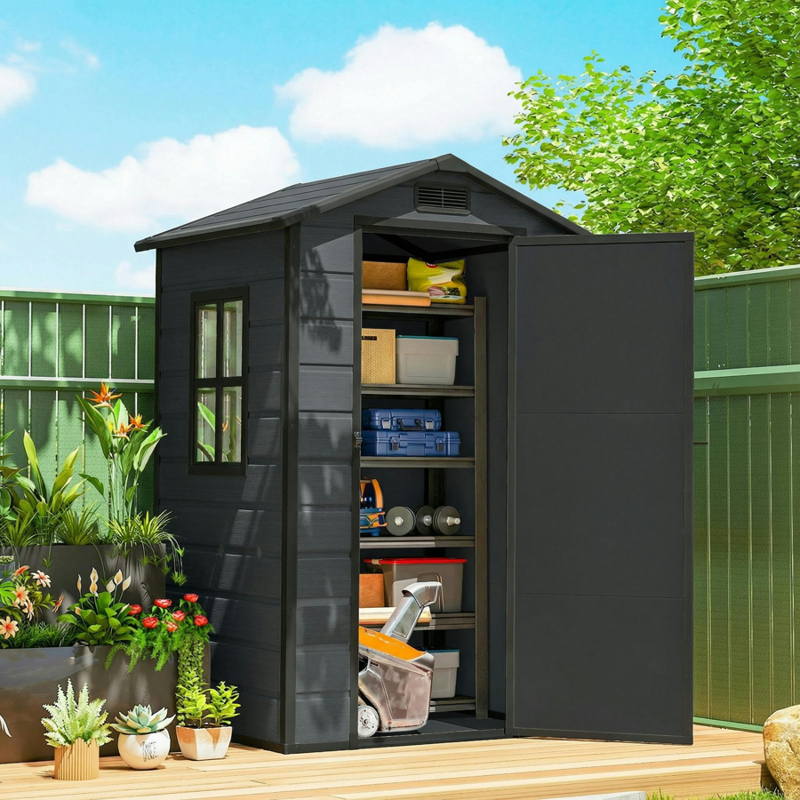
Looking after plastic and resin structures
Plastic sheds are typically low maintenance. They do not require painting or treatment, and they are resistant to rot and rust.
Periodic cleaning with mild detergent helps maintain appearance. Check that panels remain securely fitted and that fixings have not loosened over time.
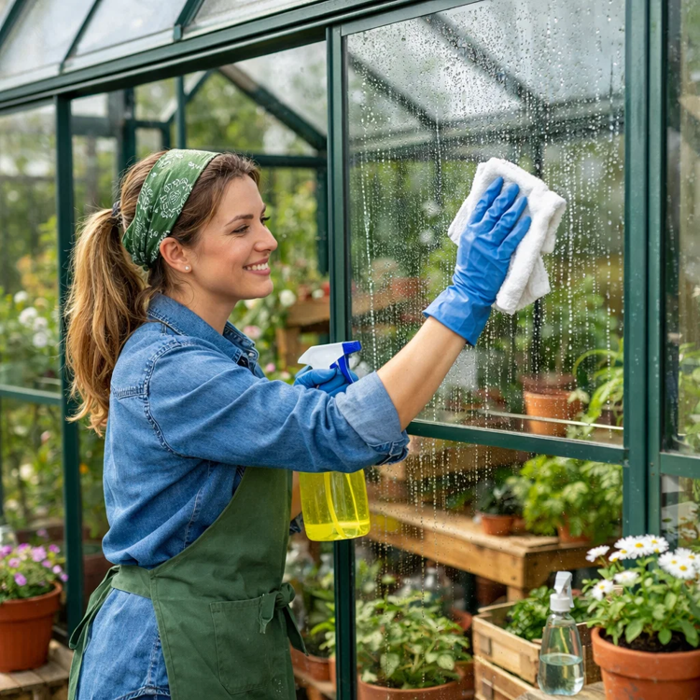
Greenhouse care
Greenhouses require additional attention due to their growing function.
Regular tasks include:
- Cleaning glazing panels to maximise light
- Checking ventilation systems
- Monitoring seals and fixings
- Clearing gutters to prevent water build-up
Seasonal adjustments to ventilation and shading may also be necessary to maintain optimal growing conditions.
Routine care is rarely complex, but it does influence how well your building performs year after year. Choosing a material that aligns with how much maintenance you are prepared to undertake can prevent frustration later.
Choosing Between a Shed, Greenhouse or Garden Room
If you began your search thinking you simply needed a shed, it is worth pausing to consider whether a different type of garden building might better suit your plans.
The distinction is not just about size. It is about how the space will be used day to day.
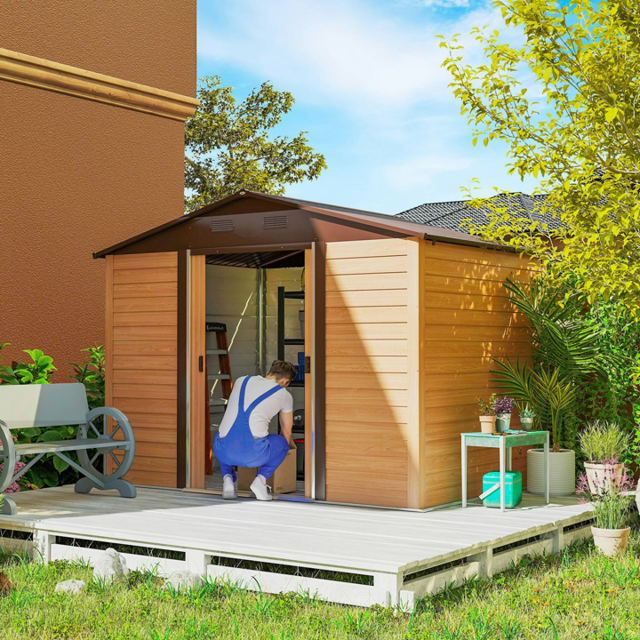
When a shed is the right choice
A shed is usually the most practical solution when your primary need is storage. If you are housing tools, lawn equipment, bikes or seasonal items, a purpose-built shed provides secure, efficient space without unnecessary features.
Sheds are ideal when:
- The building is used occasionally rather than daily
- Storage capacity matters more than light
- You do not need extended time inside the structure
In most cases, if the building’s purpose is purely functional, a shed remains the most appropriate option.
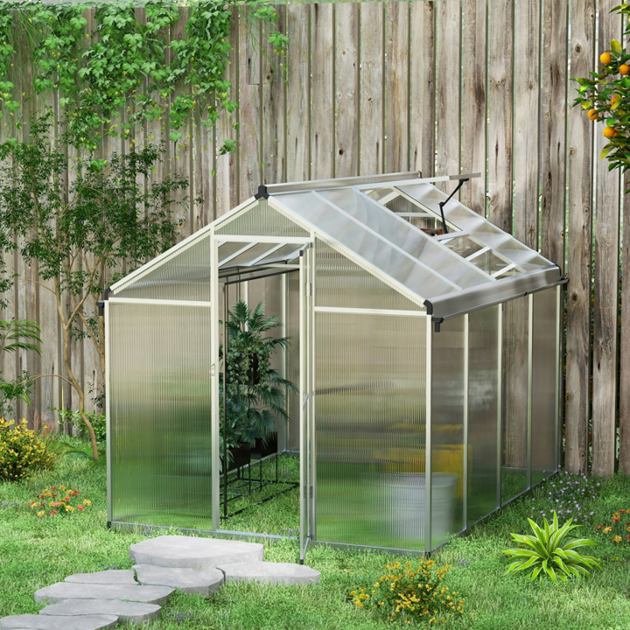
When a greenhouse makes more sense
If your focus is growing rather than storing, a greenhouse is a specialist solution. Unlike sheds, greenhouses are designed to maximise light and manage airflow to support plant development.
Choose a greenhouse when:
- You plan to grow seedlings or vegetables
- Light exposure and temperature control are priorities
- You need ventilation rather than insulation
Attempting to use a standard shed for plant cultivation will rarely deliver the same results as a properly positioned greenhouse or polytunnel.
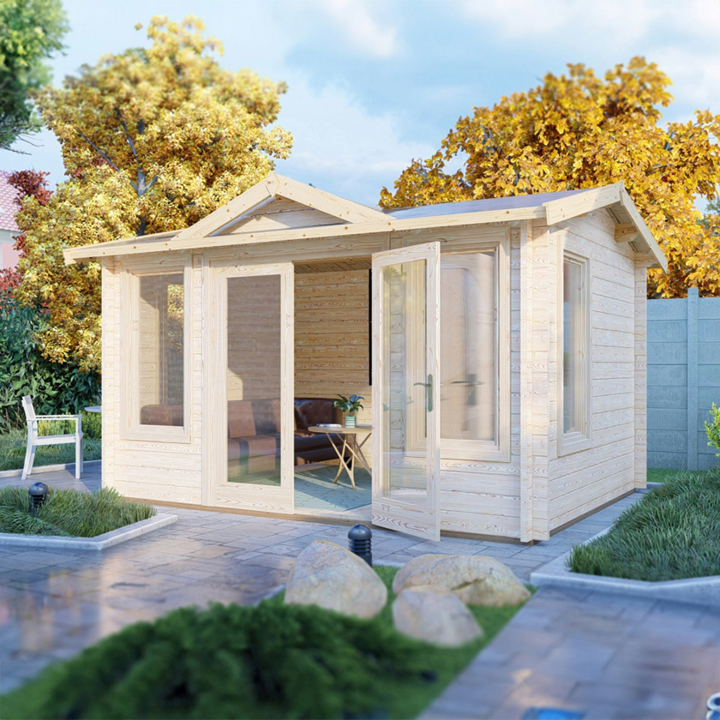
When to consider a summerhouse or log cabin
If you intend to spend longer periods inside the building, comfort becomes important. Summerhouses and log cabins are designed for leisure or work rather than storage.
They are better suited when:
- You want a reading room or hobby space
- You plan to work from the garden
- You are creating a social or entertainment area
- Insulation and natural light matter
In these situations, a shed may feel dark or restrictive, whereas a garden room structure will provide a more suitable environment.
Making the right call
Ask yourself one simple question:
Will this building be used primarily for storing, growing or living?
The answer usually clarifies the correct direction. Choosing the right type from the outset avoids compromise and ensures the structure genuinely enhances how you use your garden.
Final Checklist Before You Buy
Before committing to a garden shed or outdoor building, take a moment to review the essentials. A well-chosen structure should feel proportionate, practical and suited to how you genuinely use your garden.
Run through the following:
- Have you clearly defined whether the building is for storage, growing or living?
- Have you measured the available space, including access around the structure?
- Does the internal space allow room to move, not just store?
- Is the chosen material suitable for your garden’s exposure and maintenance expectations?
- Have you planned a stable, level base?
- Does positioning allow for ventilation, drainage and ease of access?
- Have you checked any relevant planning or boundary considerations?
It is also worth thinking about how your needs may evolve. Gardens change over time. Tools accumulate, planting expands and usage patterns shift. Selecting a structure that allows for some flexibility can prevent the need for replacement later.
A garden building should feel integrated into your outdoor space rather than added as an afterthought. Taking the time to consider purpose, size, material and placement carefully will ensure it supports your garden for years to come.
Frequently Asked Questions
Do I need planning permission for a garden shed or greenhouse?
In many cases, garden sheds and greenhouses fall under permitted development and do not require planning permission. However, restrictions can apply depending on height, position relative to boundaries and whether the building is intended for residential use.
It is always advisable to check local planning guidance before installation, particularly for larger structures such as log cabins or substantial garden rooms.
What size shed do I need?
The right size depends on what you plan to store and whether you need room to move around inside. As a general rule, measure your largest item first, then allow additional space for shelving, access and future needs.
Choosing a slightly larger shed than you think you require often prevents overcrowding later.
What is the best base for a shed or greenhouse?
A stable, level base is essential. Concrete slabs or paving slabs are common choices for medium to large buildings. Smaller sheds may sit on a timber frame base, provided it is properly supported and level.
The base should extend slightly beyond the footprint of the building and allow for adequate drainage.
Are metal sheds better than wooden sheds?
Neither is universally better. Wooden sheds offer a traditional appearance and can be customised easily, but require ongoing treatment. Metal sheds are typically lower maintenance and can offer strong security, though condensation may need to be managed.
The right choice depends on your priorities and garden conditions.
What is the difference between a greenhouse and a polytunnel?
Greenhouses are typically rigid-framed structures with glass or polycarbonate glazing designed to maximise light. Polytunnels use a curved frame covered with durable plastic sheeting and are often used for larger-scale growing.
Both create controlled growing environments, but polytunnels are generally more utilitarian in appearance.
Can I use a shed as a workshop or home office?
A standard shed can be adapted for light workshop use, but if you intend to spend extended time inside, consider ventilation, insulation and natural light. For regular working or leisure use, a summerhouse or log cabin may provide a more comfortable solution.
How long should a garden building last?
With proper installation and maintenance, many garden buildings can last for many years. Longevity depends on material choice, exposure to weather and ongoing care such as treatment, cleaning and inspection of fixings.
© 2026 Rackhams Retail Limited
Follow us


Pay securely with:


Terms & Conditions Cookie Settings Privacy Policy