

 0
0

 Free Delivery on all orders!
 The Rackhams Guarantee
How to Choose the Right Shoes for Comfort, Style and Occasion
Shoes are more than just a finishing touch to an outfit, they are essential to comfort, confidence and the way you move through your day. The right pair should feel balanced between support and style, whether you’re navigating a casual weekend, heading to work, dressing for a formal event or exploring outdoors.
With so many styles, materials and purposes to choose from, it helps to understand how different shoes perform and what to prioritise for your specific needs. This guide walks you through the key considerations that matter when selecting footwear: from fit and function to materials, occasion and long-term comfort.
Whether your priority is everyday trainers, smart formal shoes, durable walking boots or seasonal sandals, this guide will help you make a confident choice that feels right for you.
Start with Your Purpose
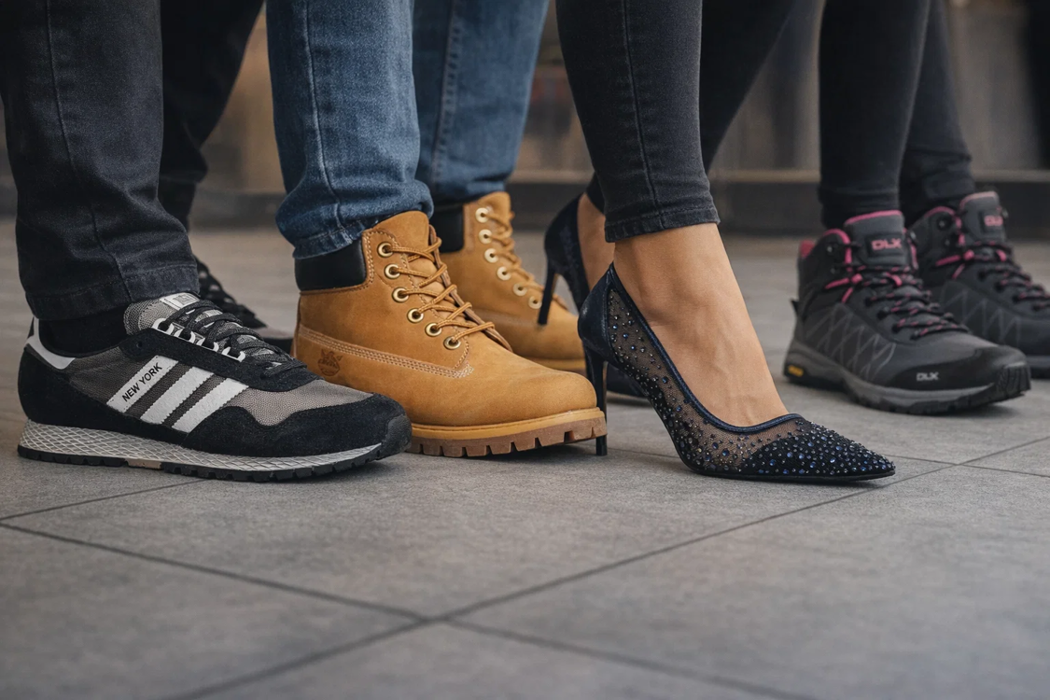
Before choosing a particular style, it helps to define what you need your shoes to do. The right pair for a long working day will be very different from footwear designed for a wedding, a weekend walk or a summer holiday.
For everyday wear, comfort and versatility tend to take priority. Trainers, loafers and well-constructed flats offer flexibility and ease, making them suitable for commuting, errands and relaxed social settings. If you are browsing everyday options, you might start with women’s footwear or men’s footwear to explore broad, wearable styles.
For professional environments, the focus often shifts towards structure and presentation. Men’s formal shoes, brogues and Oxford shoes offer a refined finish, while women’s heels, slingback heels and elegant flats can provide polish without sacrificing comfort. The key is choosing a silhouette that complements your wardrobe while remaining practical for the hours you will be on your feet.
If your needs are more specialised, performance becomes central. Walking boots, hiking boots, safety boots and safety trainers are designed with durability, grip and support in mind. These styles prioritise stability and protection over fashion detail, making them suitable for outdoor work, long distances or demanding conditions.
For relaxed settings, such as holidays or time at home, lighter footwear such as sandals, espadrilles, sliders or slippers may be more appropriate. These styles focus on ease and breathability, helping you stay comfortable in warmer temperatures or informal environments.
By clarifying your primary use first, you narrow your options and avoid choosing on appearance alone. Purpose should guide the decision before materials, colour or trend.
Understanding Different Shoe Types
Once you have identified the purpose, the next step is choosing the right style. Different shoe types are designed with distinct structures, levels of support and aesthetic intent.
Trainers
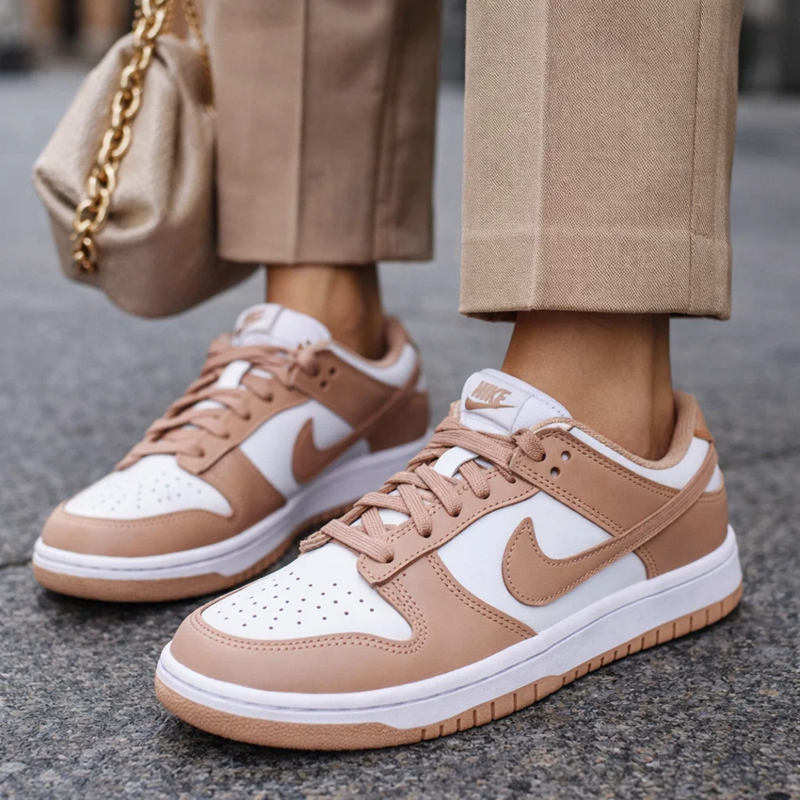
Trainers are among the most versatile footwear options available. Designed for comfort and movement, they range from performance-focused styles to fashion-led everyday designs.
Women’s trainers and men’s trainers work well for commuting, travel and casual wear. Breathable uppers, cushioned soles and flexible construction make them a strong choice for long periods on your feet. Some styles lean athletic, while others are designed purely for lifestyle wear.
Boots
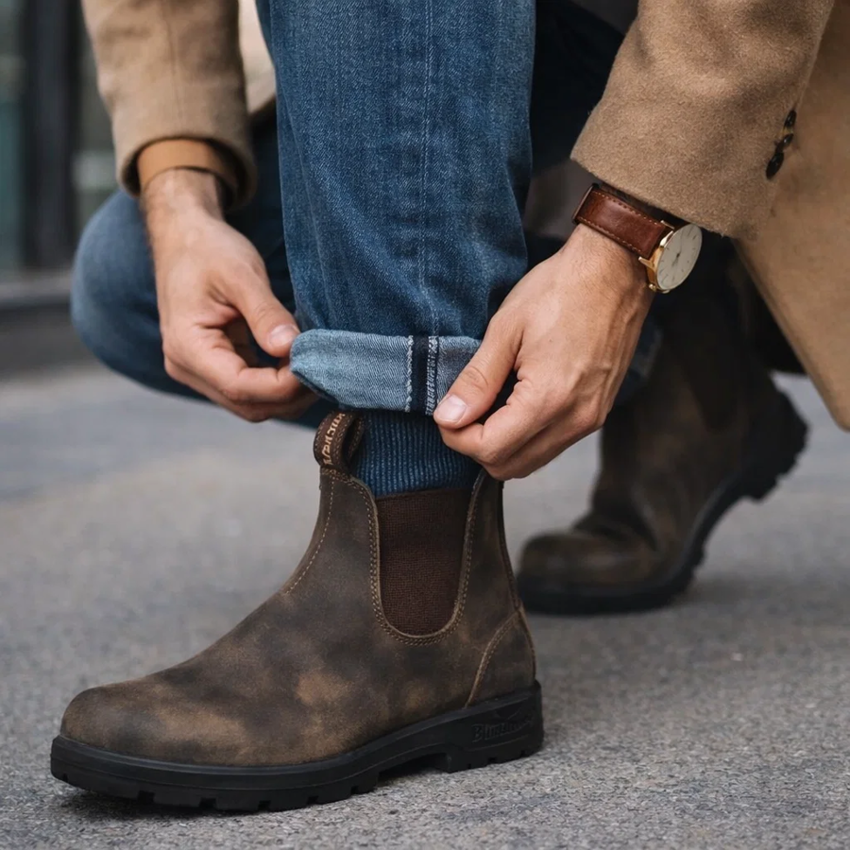
Boots provide greater coverage and structure, making them well suited to colder weather and more demanding conditions.
Women’s boots range from ankle and knee-high styles to practical hiking boots. Men’s boots include casual leather styles as well as walking boots and wellies designed for outdoor environments. The height, sole construction and material all influence how formal or functional the boot feels.
Boots are often chosen when durability and weather resistance are priorities.
Formal Shoes
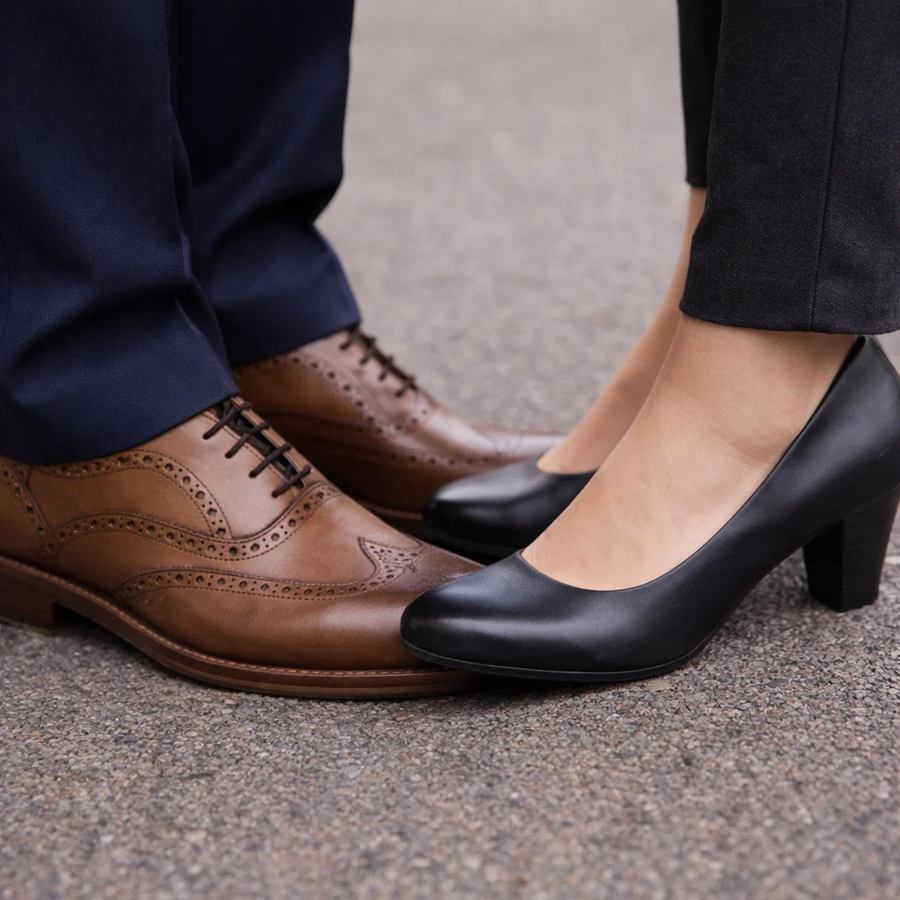
Formal footwear focuses on structure, clean lines and refined detailing.
Men’s formal shoes include classic Oxford shoes, brogues and loafers designed for business or occasion wear. These styles are typically crafted in leather or polished materials, offering a more structured silhouette.
Women's formal footwear may include heels, slingback heels and elegant flats that balance presentation with comfort.
Formal styles prioritise finish and shape, making them ideal for professional settings, weddings and formal events.
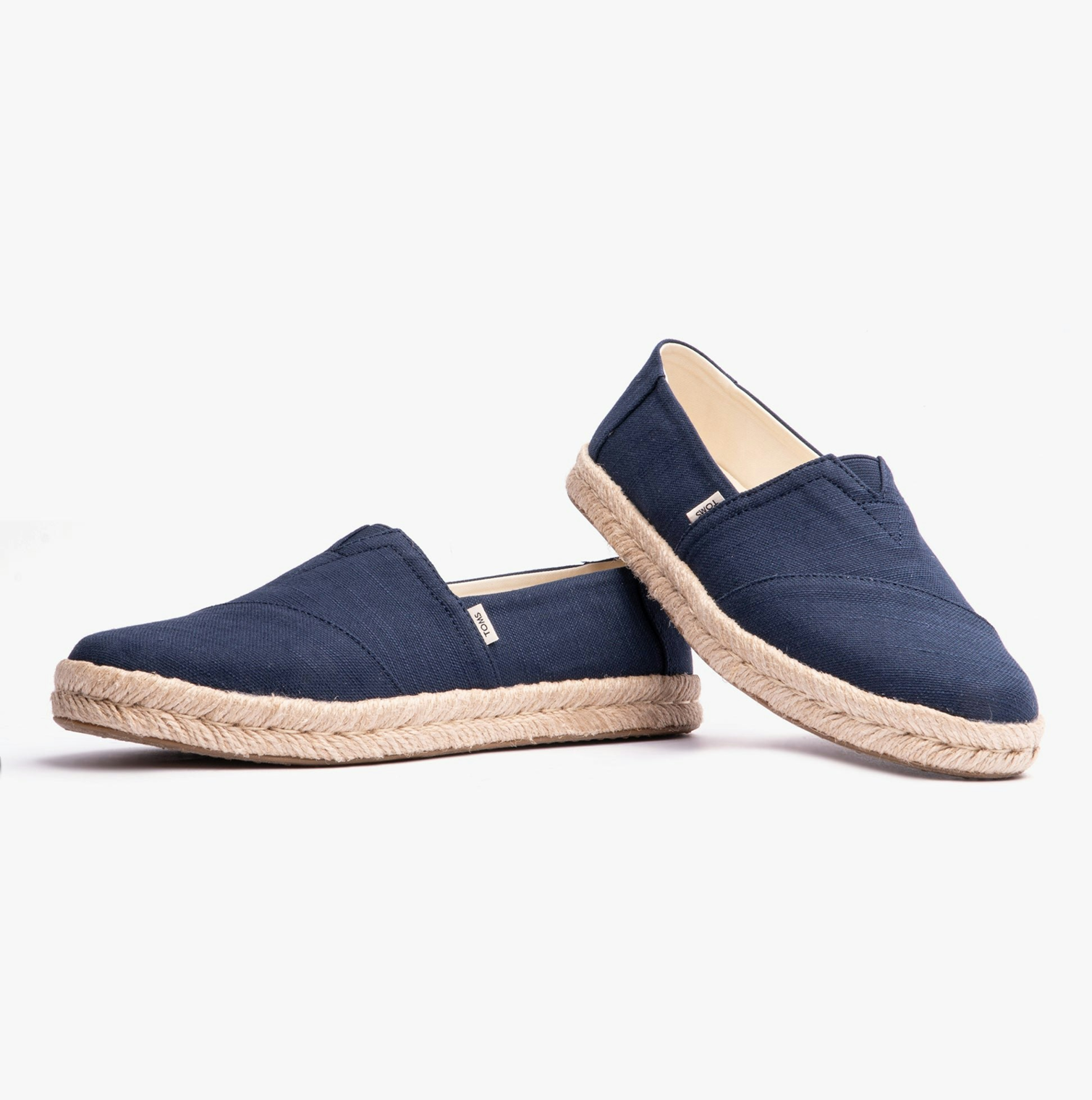
Loafers and Smart Casual Styles
Loafers sit between formal and casual, offering ease without compromising structure. Men’s loafers and women’s loafers can be styled with tailoring or relaxed outfits, depending on material and finish.
Boat shoes and espadrilles also fall within this broader smart casual category. Boat shoes provide a relaxed yet polished feel, particularly suited to spring and summer, while espadrilles offer a lighter, seasonal option with breathable construction.
These styles are often chosen for versatility and transitional dressing.
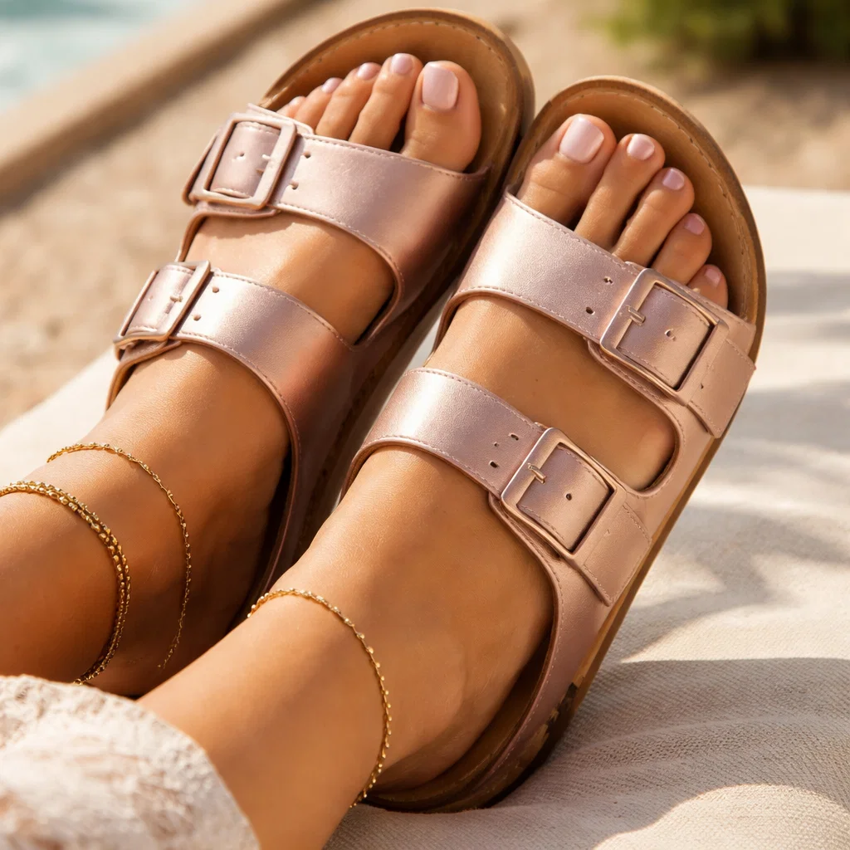
Sandals and Open Styles
Sandals, flip flops and sliders are designed for warmer weather and informal settings.
Women’s sandals and men’s sandals prioritise breathability and ease, making them suitable for holidays, weekends and summer occasions. The level of support can vary significantly, so construction remains important even in lighter designs.
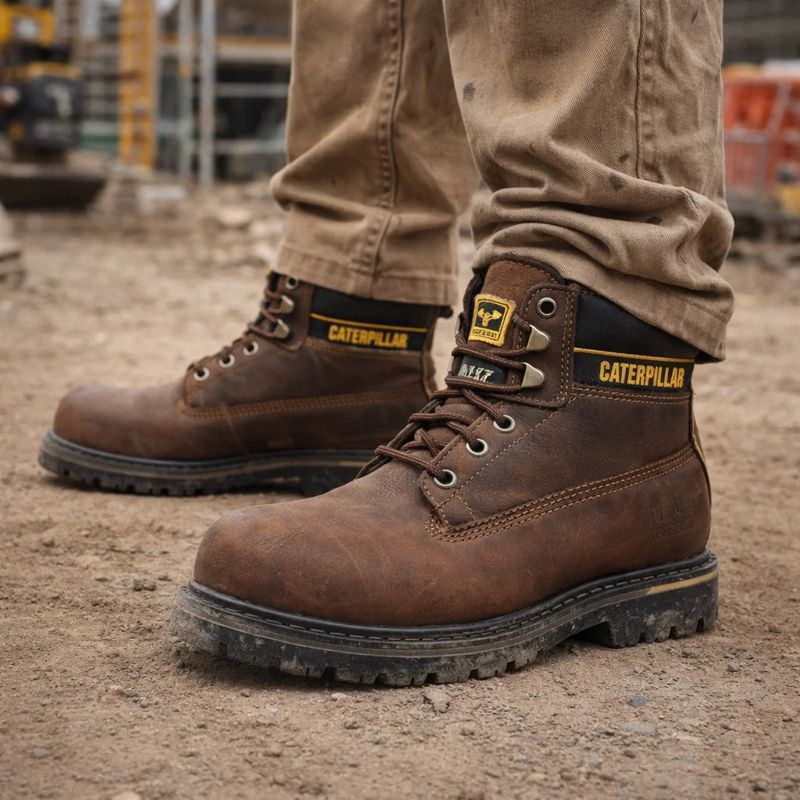
Specialist Footwear
Some footwear is designed for specific environments or performance requirements.
Men’s safety boots and safety trainers offer reinforced protection for workplace settings. Walking boots and hiking boots are built for grip and endurance. Wellies provide waterproof protection in wet conditions.
These styles are chosen primarily for function, with features tailored to safety, stability and durability.
By understanding how each shoe type is constructed and intended to be worn, it becomes easier to select a style that aligns with your lifestyle rather than simply following trends.
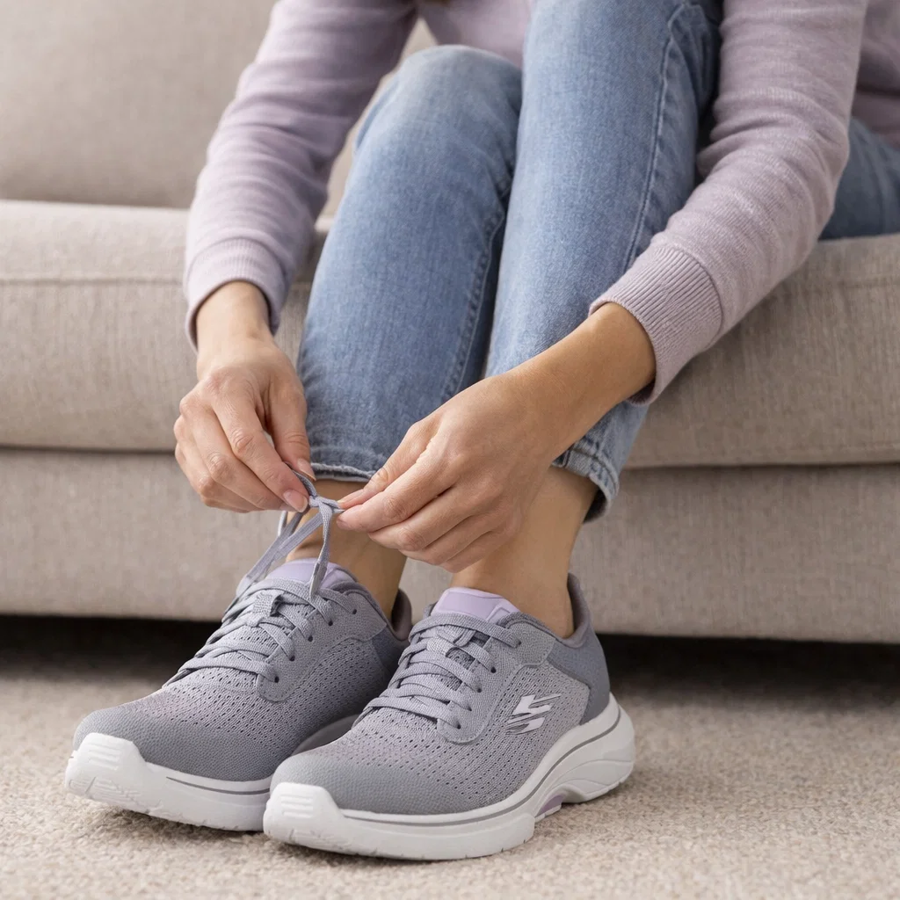
Fit and Comfort
Style matters, but fit determines whether a pair of shoes becomes a favourite or remains unworn. Even the most carefully designed footwear will fall short if it does not support your foot properly.
Getting the Right Size
Shoe sizing can vary slightly between brands and styles. Your usual size is a useful starting point, but it is important to consider how the shoe feels rather than relying solely on the number.
There should be enough space at the front of the shoe to allow your toes to move naturally without pressing against the end. At the same time, your heel should feel secure and stable when walking. Excess movement at the heel can lead to discomfort over time.
If you are between sizes, the shape of the shoe and the material can influence which option feels more natural. Structured leather styles may feel firmer initially, while softer materials can offer more flexibility from the first wear.
Width and Foot Shape
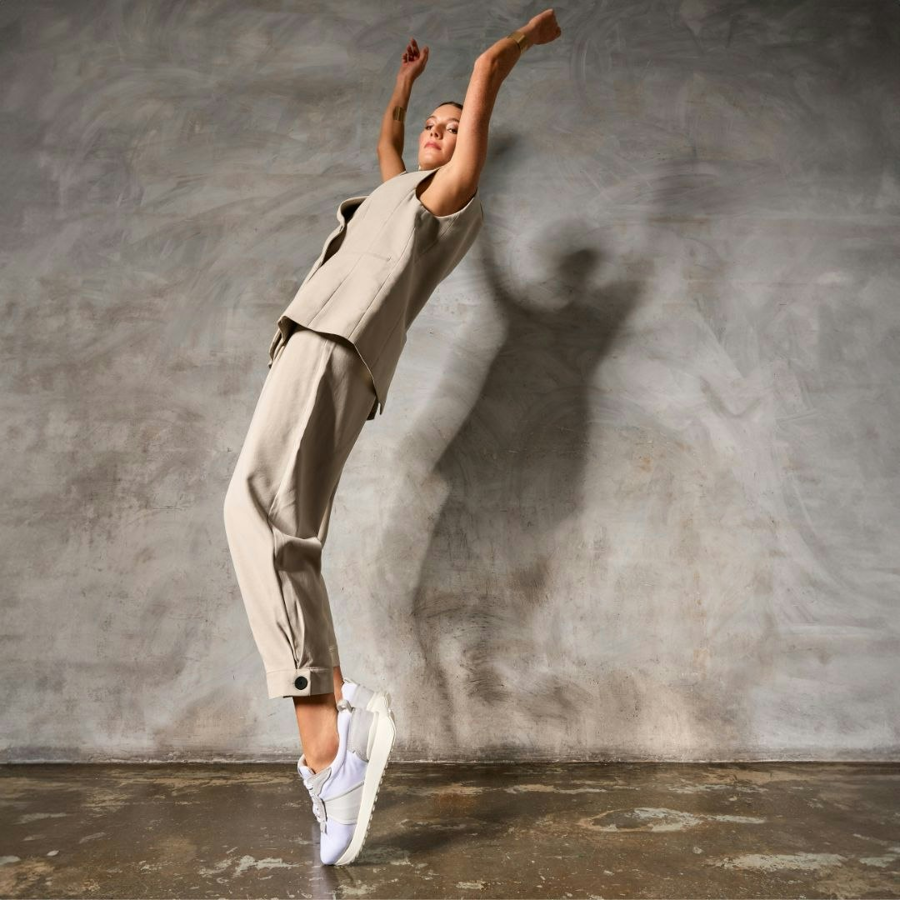
Not all feet are shaped the same. Some people require a wider fit, while others may find standard styles feel too generous.
Loafers, trainers and boots with adjustable features such as laces or buckles allow greater flexibility. Slip-on styles should feel secure without feeling tight across the top of the foot.
Pay attention to pressure points, particularly around the toes and the sides of the foot. A well-fitting shoe should feel supportive rather than restrictive.
Cushioning and Support
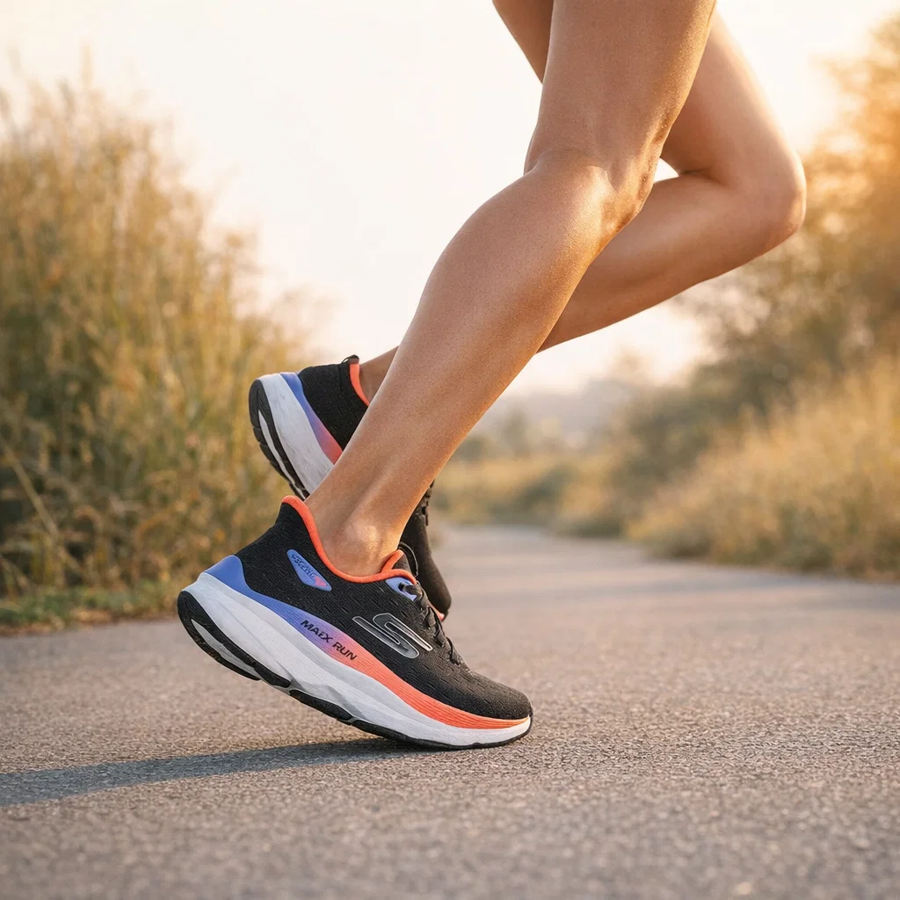
Cushioning plays a significant role in all-day comfort. Trainers and walking footwear often feature padded insoles and shock-absorbing soles designed to reduce impact.
For formal shoes and heels, arch support and sole construction become more important. A slightly cushioned insole and stable heel height can make a noticeable difference over extended wear.
If you spend long hours standing or walking, prioritise supportive soles and a stable base over purely aesthetic features.

Breaking In
Some materials, particularly leather, may soften and adapt slightly with wear. However, shoes should not feel painful from the outset.
A good fit may feel structured at first, but it should not require significant discomfort to become wearable. Choosing the correct size and shape from the start will always deliver better long-term comfort than relying on breaking them in.
A well-fitting shoe supports posture, reduces fatigue and enhances confidence. Taking the time to assess comfort properly ensures your choice works as well in practice as it does in appearance.
Materials Matter
The material of a shoe influences not only its appearance but also its durability, breathability and overall comfort. Understanding how different materials perform can help you choose footwear that suits both your lifestyle and the season.
Leather
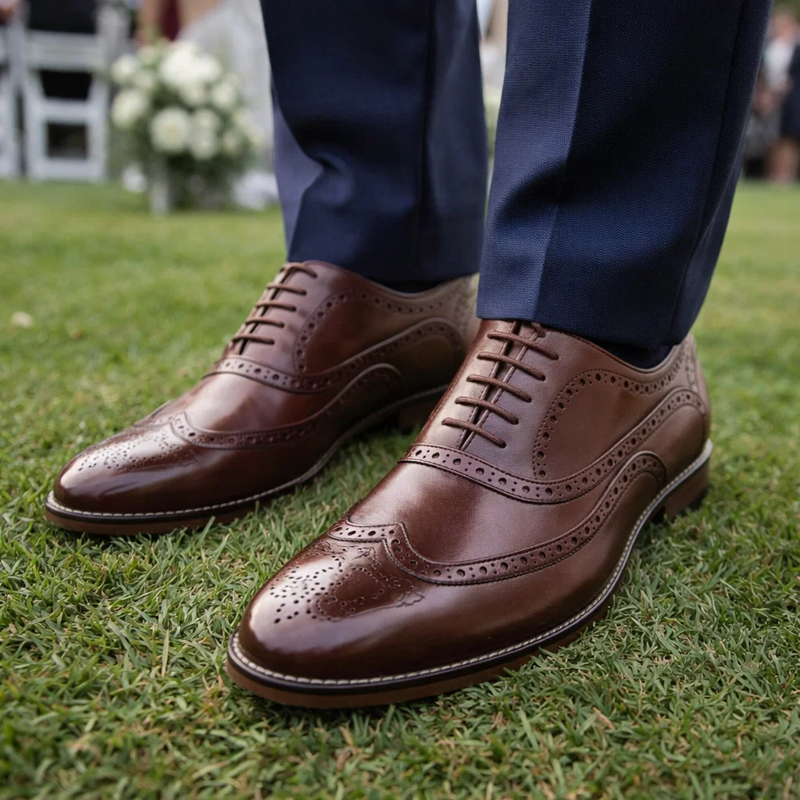
Leather remains one of the most widely used materials in footwear, particularly in formal shoes, boots and structured loafers. It offers durability, support and a refined finish.
High-quality leather can soften slightly over time, adapting to the shape of your foot. It also tends to provide better longevity when properly cared for. For professional environments or occasions where presentation matters, leather styles such as Oxford shoes, brogues and structured boots often deliver a polished look.
However, leather may require occasional conditioning to maintain its appearance and prevent drying.
Suede and Nubuck
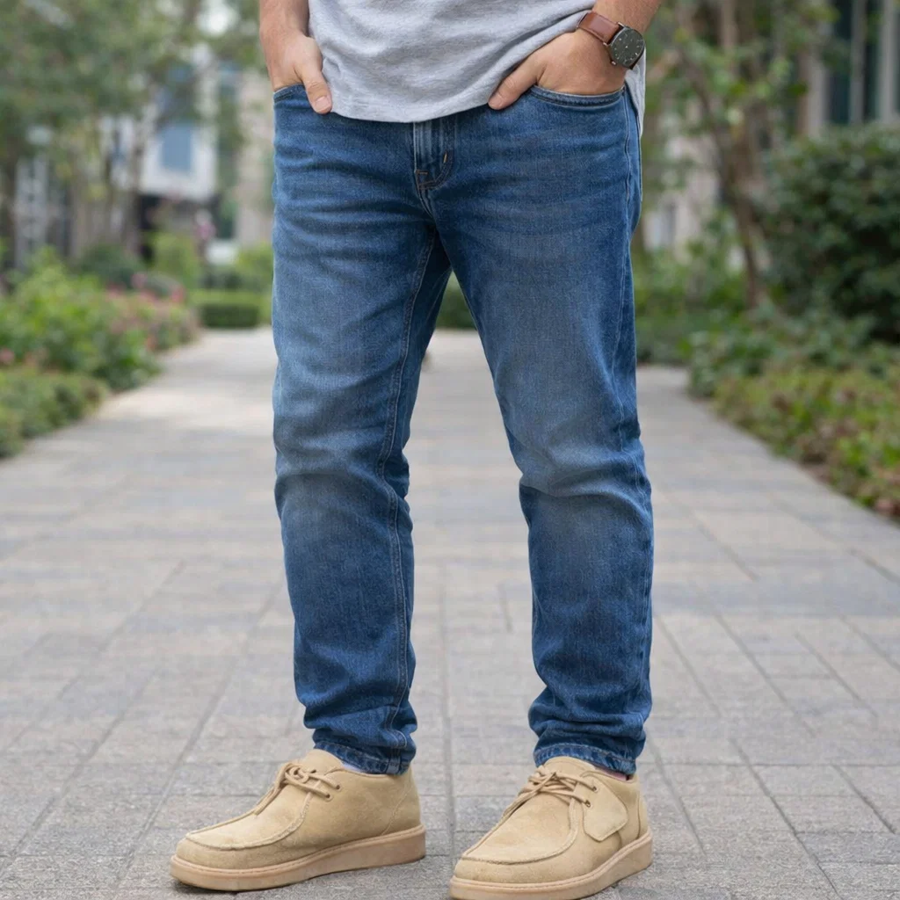
Suede and nubuck provide a softer, more textured finish. They are often chosen for loafers, boots and smart casual styles.
These materials offer a more relaxed aesthetic but require additional care, particularly in wet conditions. Protective treatments can help improve resistance to moisture and staining.
Suede works particularly well in transitional seasons, where a slightly softer finish complements lighter fabrics and layered outfits.
Synthetic and Man-Made Materials
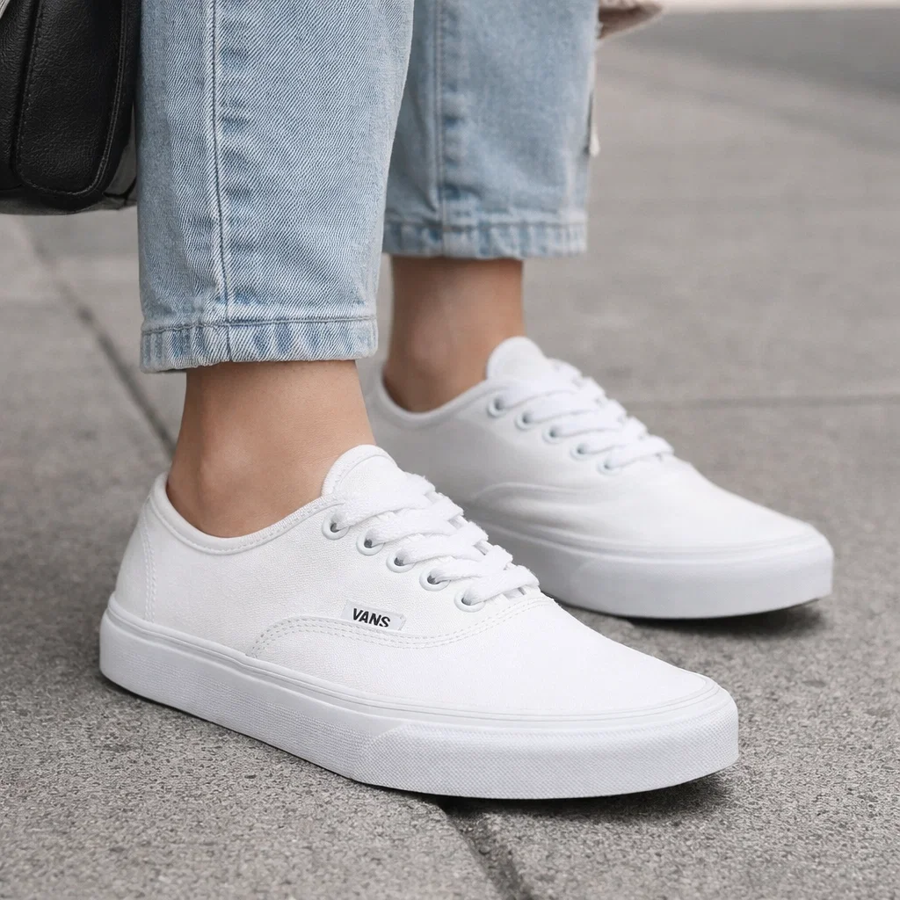
Synthetic materials are commonly used in trainers, safety footwear and more affordable everyday styles. They can offer lightweight construction, flexibility and easier maintenance.
In performance footwear, engineered mesh and synthetic overlays are designed to enhance breathability and reduce weight. For casual styles, modern synthetics can provide a clean finish with minimal upkeep.
While they may not develop the same character as leather over time, synthetic materials can be highly practical for daily use.
Soles and Construction
The sole of a shoe plays a critical role in comfort and durability.
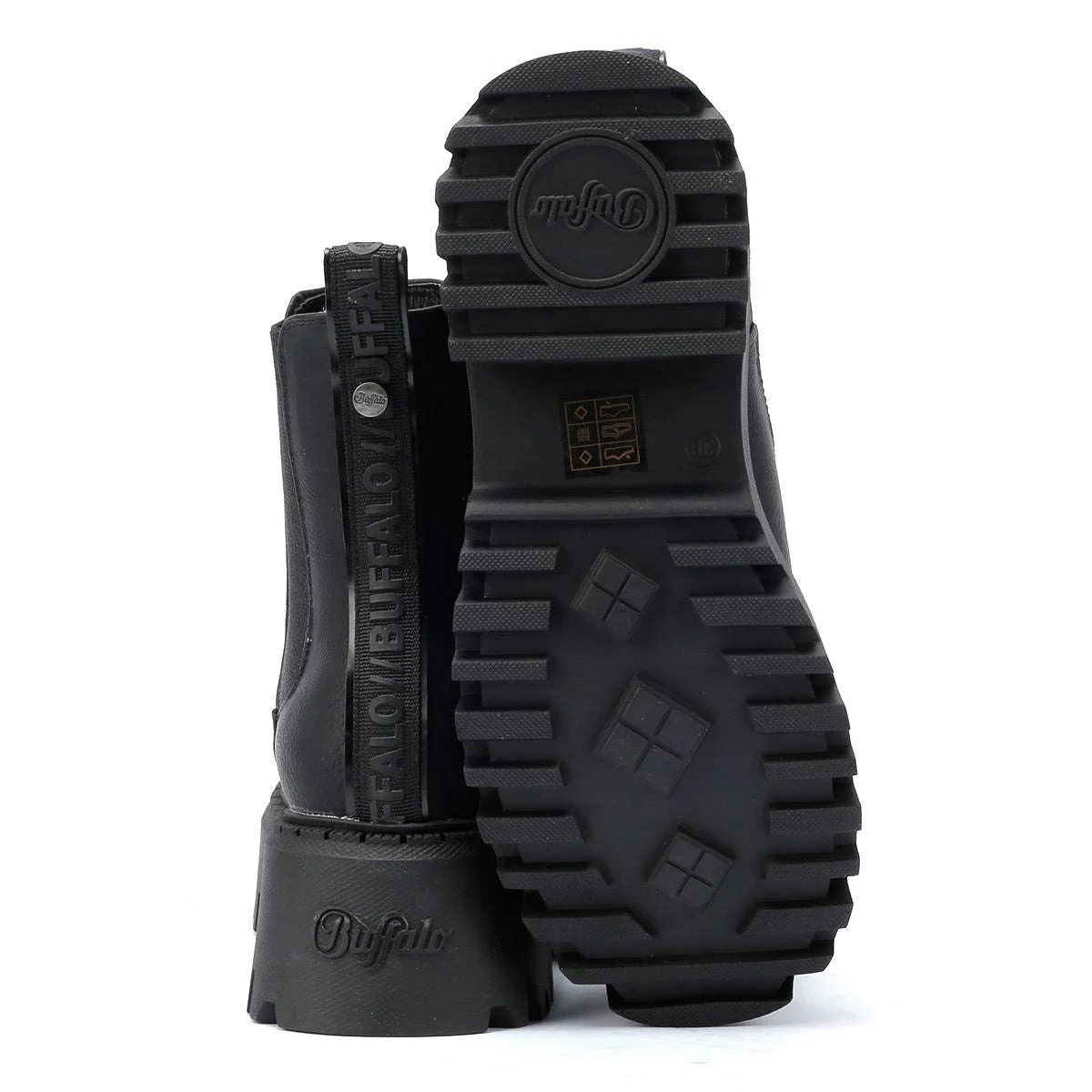
Rubber soles provide grip and flexibility, making them suitable for trainers, boots and everyday shoes. Leather soles are often found on formal footwear, offering a traditional and refined finish.
In walking boots and safety footwear, thicker soles with deeper tread patterns improve traction and stability. The construction of the sole influences not only how the shoe feels underfoot but also how it performs in different environments.
Choosing the right material ensures your shoes feel appropriate for the setting, season and level of wear you expect. Practicality and presentation should work together rather than compete.
Seasonal Considerations
Footwear should work with the time of year, not against it. Temperature, weather conditions and clothing choices all influence which styles feel appropriate and comfortable.
Spring and Transitional Months
Late winter and early spring often require balance. Heavier boots may start to feel excessive, while fully open sandals can be premature.
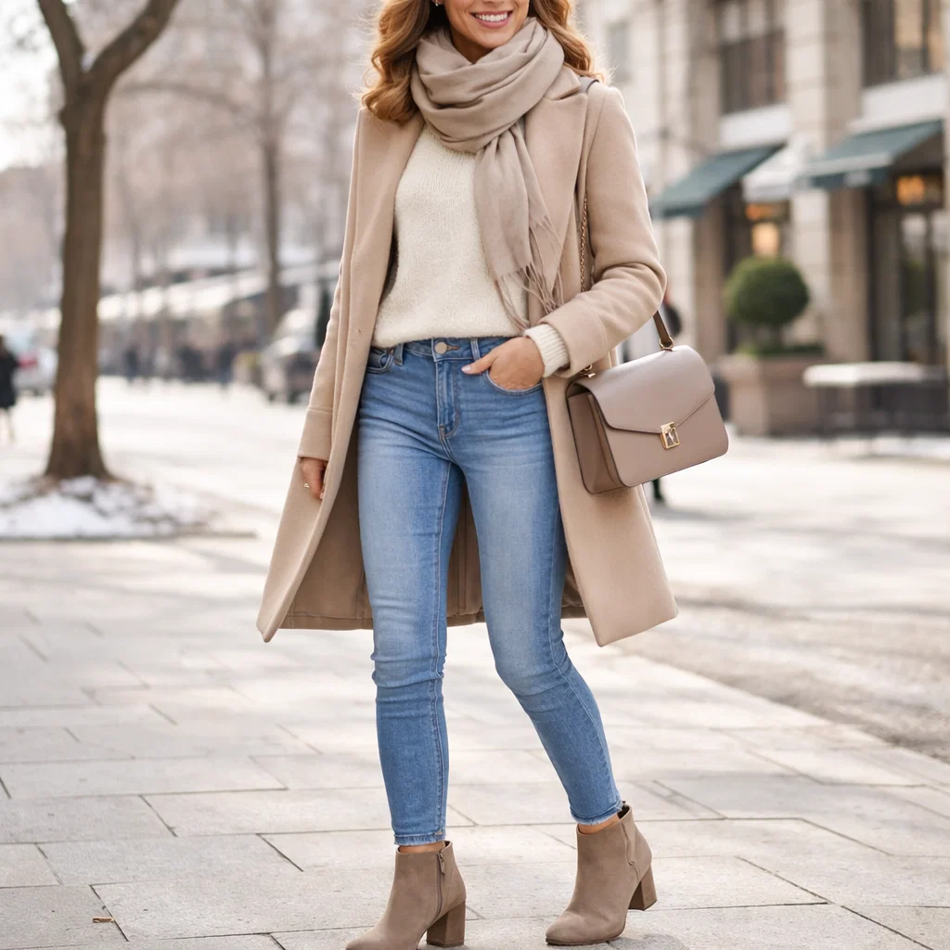
Ankle boots, lighter leather styles, loafers and trainers tend to work well during transitional periods. They provide coverage without feeling overly insulated. Materials such as leather or suede can offer structure while remaining adaptable to changing conditions.
Boat shoes and espadrilles also begin to reappear at this time of year, particularly as wardrobes shift towards lighter layers.
Summer
Warmer months call for breathable and open designs.
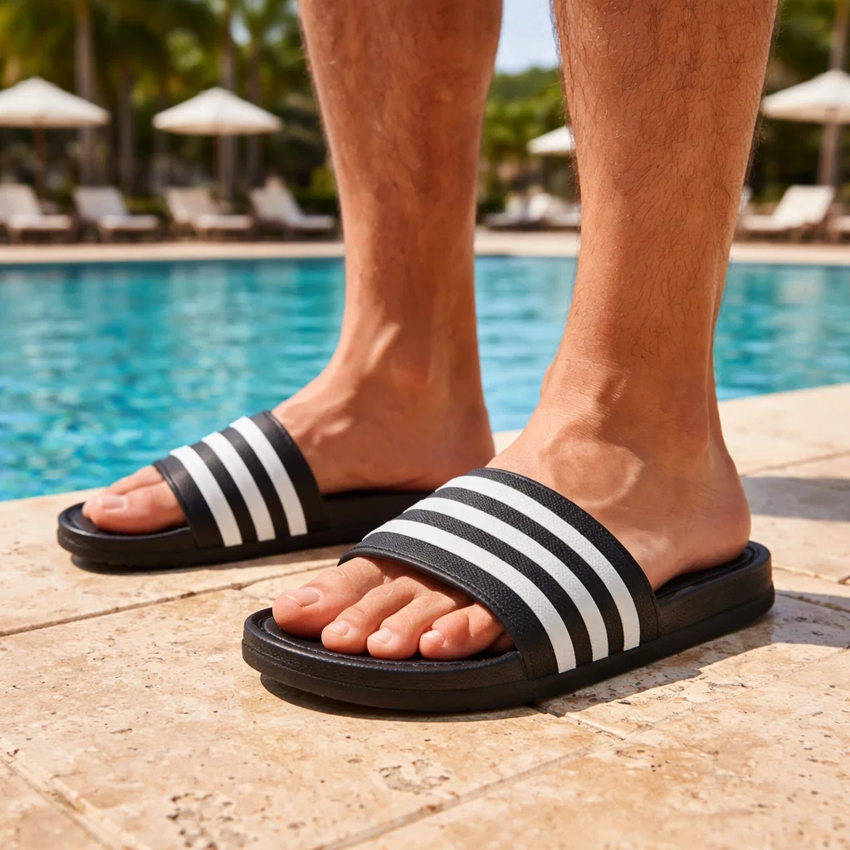
Sandals, sliders and lightweight trainers allow airflow and comfort in higher temperatures. For more polished summer occasions, loafers or lighter formal shoes in softer materials can provide structure without feeling heavy.
Support remains important, even in open styles. A well-constructed sole and secure fit help maintain comfort throughout the day.

Autumn and Winter
Colder, wetter conditions require greater protection and grip.
Boots, wellies and structured leather footwear become more practical during autumn and winter. Deeper tread patterns improve stability, while higher cuts provide additional coverage.
In professional settings, heavier leather formal shoes often feel more seasonally appropriate than lightweight styles.
Choosing footwear that aligns with the season ensures both comfort and longevity. It also allows your wardrobe to transition naturally throughout the year rather than feeling out of step with the environment.
Smart vs Casual Explained
Many footwear styles sit between formal and relaxed, which can make choosing the right option more complex than it first appears. Understanding what makes a shoe feel smart or casual helps you select appropriately for different settings.

What Makes a Shoe Formal
Formal footwear is typically defined by structure, clean lines and minimal detailing.
For men, Oxford shoes and certain brogues are considered among the most formal styles. They feature closed lacing systems, smooth leather finishes and a refined silhouette. These are well suited to business settings, formal events and tailored clothing.
For women, classic heels, slingback heels and elegant flats can serve a similar role. A structured shape, polished material and moderate heel height often signal a more formal finish.
Formal footwear tends to prioritise appearance and proportion, though comfort should never be overlooked.
What Makes a Shoe Casual
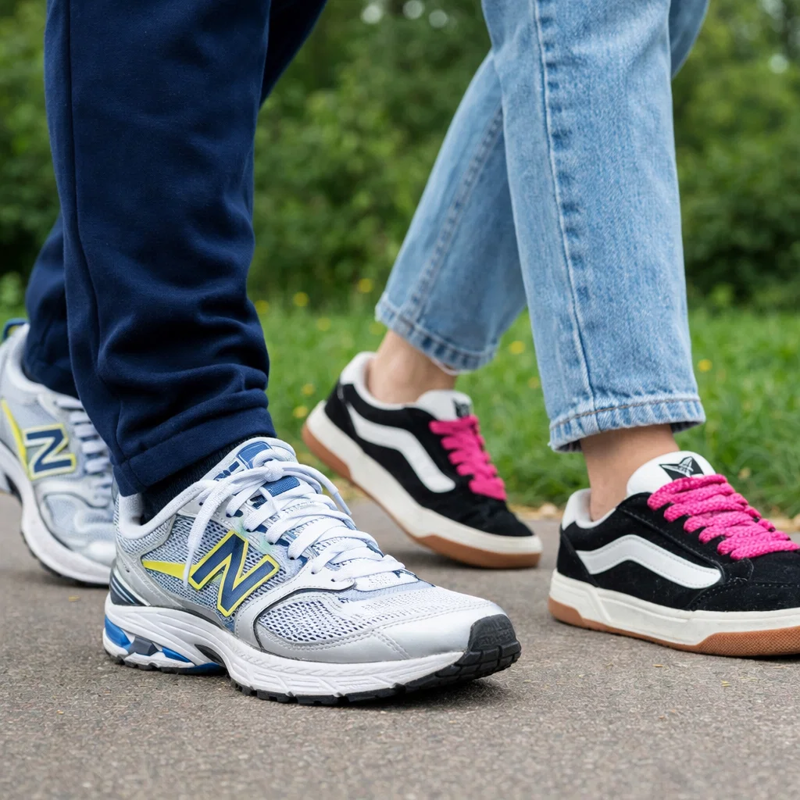
Casual styles often feature softer construction, more flexible soles and relaxed materials.
Trainers, espadrilles, boat shoes and many loafers fall into this category. They are designed for versatility and everyday wear rather than strict dress codes.
Casual footwear can still look considered and polished. The difference lies in the detailing, sole type and overall shape rather than quality.
Smart Casual and Hybrid Styles
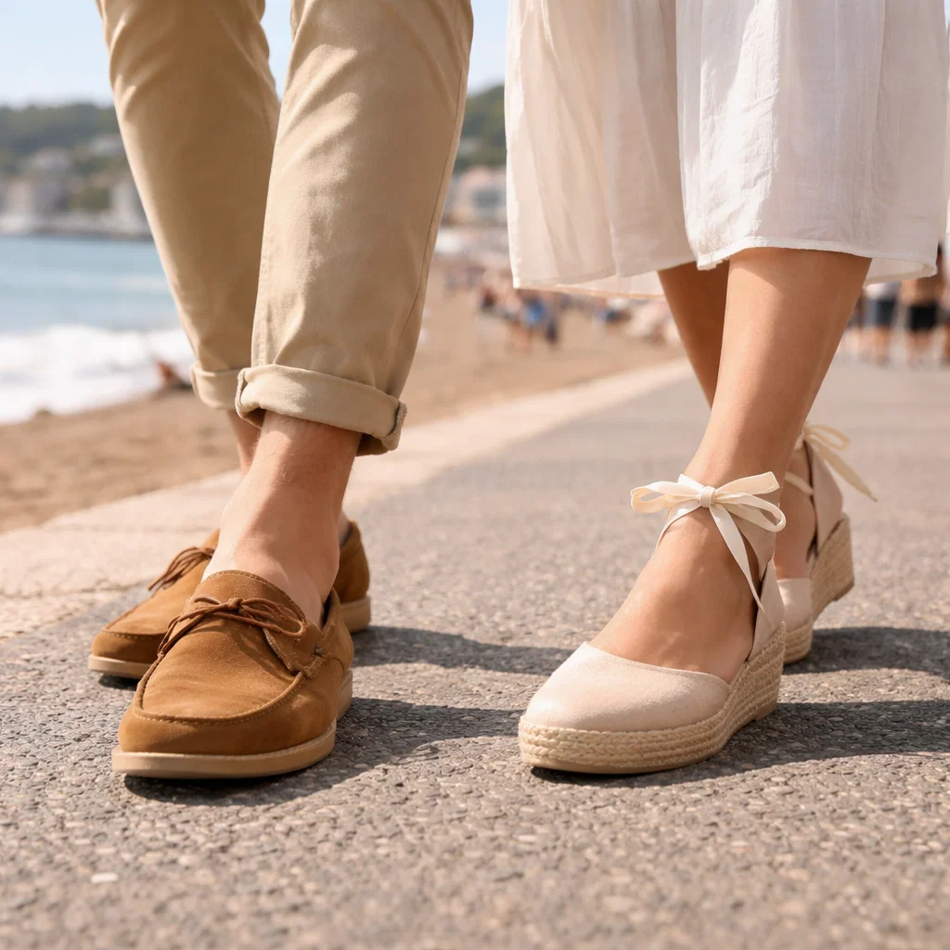
Smart casual footwear bridges the gap between structured and relaxed.
Loafers are a strong example. Depending on material and finish, they can complement tailoring or pair comfortably with more informal outfits. Certain trainers with minimal detailing can also sit within a smart casual wardrobe when styled thoughtfully.
The key is balance. Consider the formality of the clothing and the environment. If the shoe feels noticeably more relaxed than the outfit, it may undermine the overall look.
Understanding these distinctions allows you to build a footwear collection that adapts to different occasions without overlap or uncertainty.
Specialist Footwear and Performance Needs
While many shoes are designed primarily for everyday wear or formal occasions, some environments demand more specific performance features. Choosing specialist footwear ensures comfort, protection and durability in more demanding conditions.
Walking and Hiking Boots
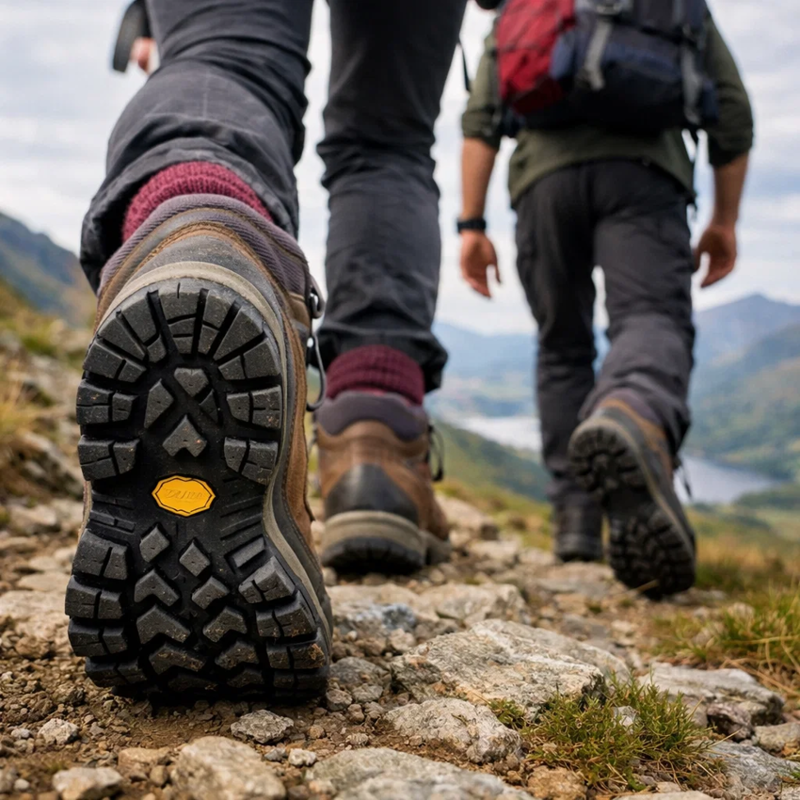
Walking boots and hiking boots are built with stability and grip in mind. They often feature reinforced uppers, padded collars and deeper tread patterns to support uneven terrain.
Women’s hiking boots and men’s walking boots are typically constructed to provide ankle support and improved traction, making them suitable for countryside walks, longer distances and variable weather.
Breathability and waterproofing can also play an important role, particularly during colder or wetter months.
Safety Footwear
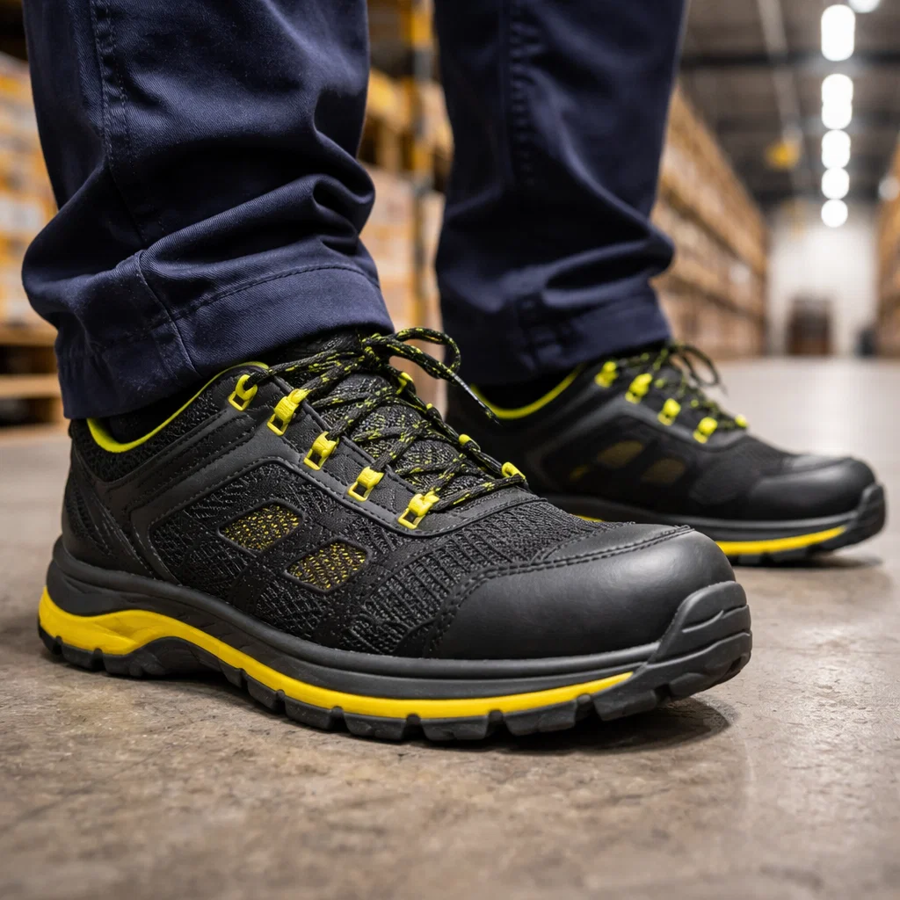
Safety boots and safety trainers are designed for workplace protection. Features may include reinforced toe caps, slip-resistant soles and durable outer materials.
Men’s safety boots and safety trainers prioritise protection and compliance with workplace standards. Comfort remains important, particularly for long shifts, so cushioning and support should not be overlooked.
These styles are chosen for function first, with design considerations supporting performance rather than leading it.

Wellies and Waterproof Options
Wellies provide reliable waterproof protection in wet or muddy conditions. They are particularly practical for outdoor work, gardening or rural settings.
Grip and flexibility are important features to consider. A well-constructed pair should feel stable underfoot while remaining comfortable for extended wear.
Specialist footwear should be selected based on environment and activity rather than appearance alone. The right features can significantly improve comfort, safety and longevity in challenging conditions.
Final Checklist Before You Choose
Before making your final selection, take a moment to confirm that the pair you are considering meets your practical and stylistic needs.
- Have you clearly defined the main purpose, whether everyday wear, work, occasion or performance?
- Does the style align with the level of formality required?
- Is the fit comfortable from the outset, with adequate space and support?
- Are the materials suitable for the season and environment?
- Will the construction and sole provide the durability you expect?
Shoes should feel balanced between comfort and presentation. A well-chosen pair supports you throughout the day while complementing your wardrobe rather than competing with it.
Taking a considered approach ensures your footwear feels purposeful, comfortable and appropriate for every setting.
Frequently Asked Questions
How should shoes fit when new?
Shoes should feel secure and supportive from the first wear. There should be enough room for your toes to move naturally without pressing against the front, while your heel should remain stable when walking. Slight firmness is normal in structured materials such as leather, but discomfort or pinching is not.
Should I size up or down if I am between sizes?
If you are between sizes, consider the shape of the shoe and how you plan to wear it. Structured styles may require a more precise fit, while trainers or boots worn with thicker socks may accommodate slight variation. The overall feel on your foot is more important than the number on the label.
What shoes are best for standing all day?
Footwear with cushioned insoles, supportive arches and stable soles is generally best for extended periods of standing. Well-constructed trainers, supportive flats and certain walking shoes often provide better long-term comfort than styles with minimal padding.
Are leather shoes better than synthetic?
Leather often offers durability and can adapt slightly to the shape of your foot over time. Synthetic materials may provide lighter weight and easier maintenance. The right choice depends on your priorities, whether longevity, breathability or convenience.
How long should a good pair of shoes last?
Longevity depends on construction, material and frequency of wear. Well-made leather or structured footwear, when properly cared for, can last several seasons. Rotating between pairs and allowing shoes to rest between wears can also extend their lifespan.
Can trainers be worn in smart casual settings?
Some trainers with minimal detailing and clean lines can work in smart casual environments when paired thoughtfully with tailored or structured clothing. The key is balance. Avoid heavily athletic styles in more formal settings.
Do shoes stretch over time?
Certain materials, particularly leather and suede, may soften slightly with wear. However, shoes should not rely on stretching to become comfortable. A good fit from the outset is always preferable.
© 2026 Rackhams Retail Limited
Follow us


Pay securely with:


Terms & Conditions Cookie Settings Privacy Policy