

 0
0

 Free Delivery on all orders!
 The Rackhams Guarantee
Mens Watches
(500+)Make every moment count with our collection of men’s watches, designed for style, precision and impact. Choose from classic leather-strap dress watches, robust chronographs, sleek minimalist designs or sporty metal bracelets in silver, gold, black or two-tone finishes. Featuring trusted makers like Diesel, Emporio Armani and Votch, each piece delivers reliable movements, durable glass faces, water-resistant cases and refined detailing—perfect for both daywear and special occasions.
CloseFilters

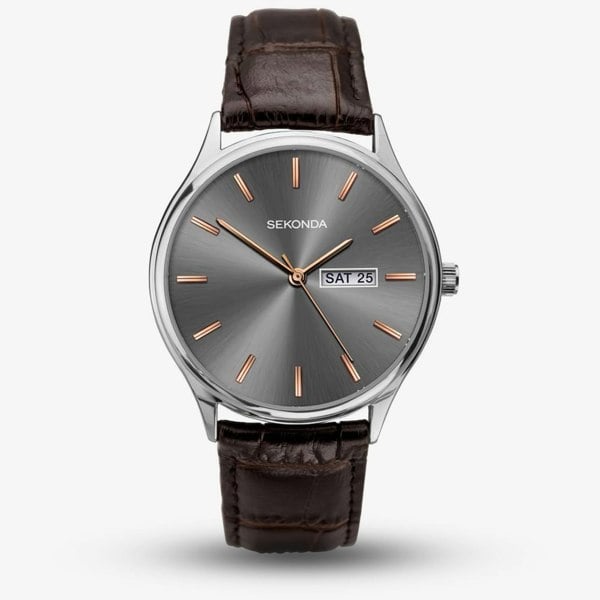
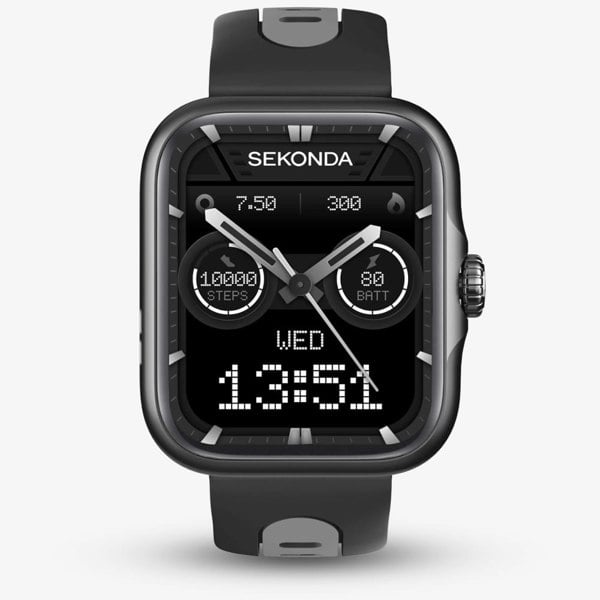
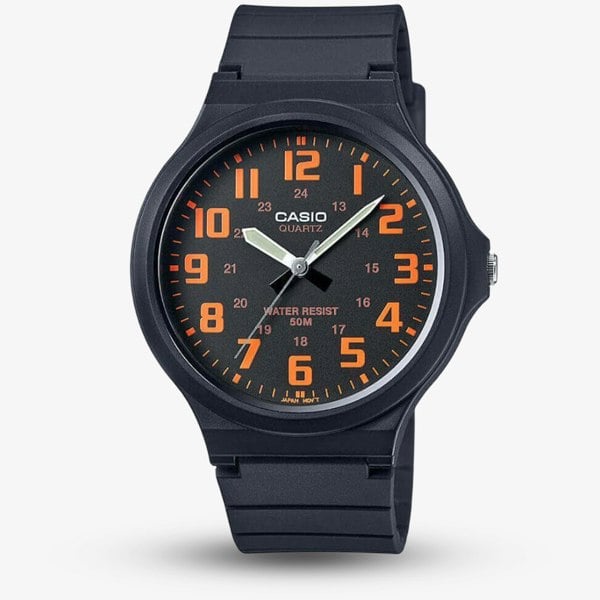
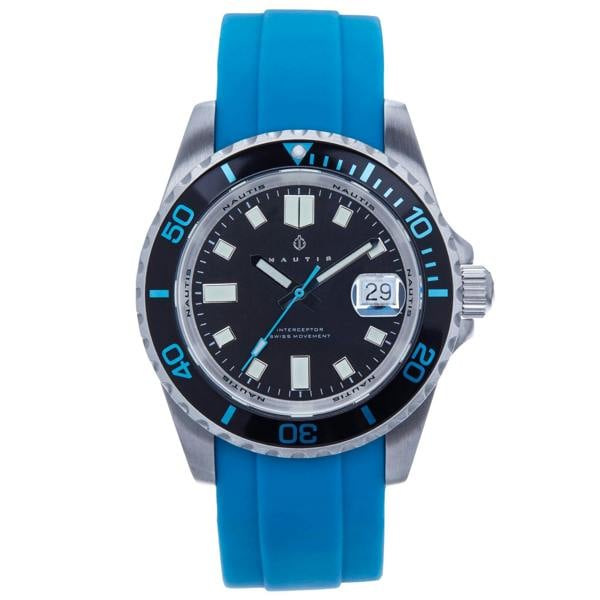
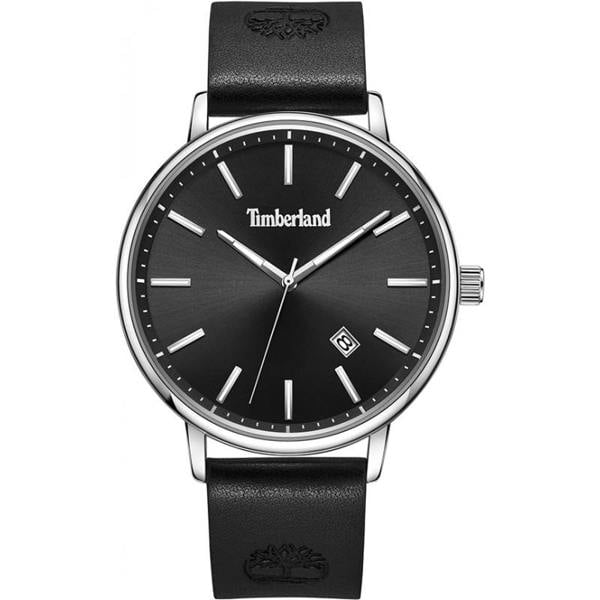
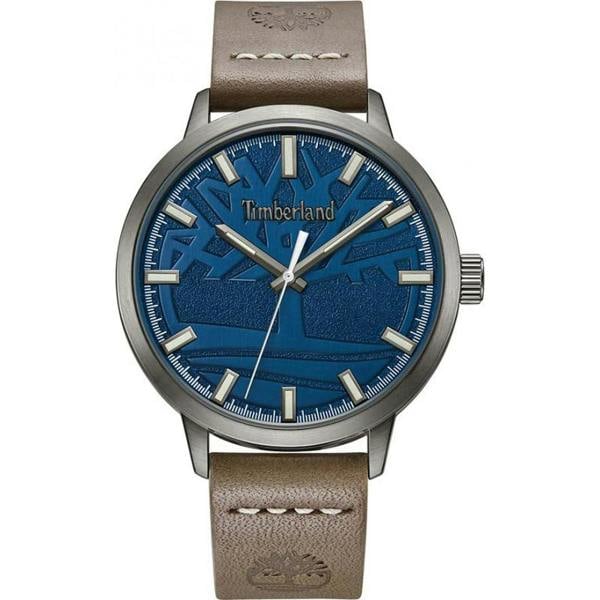
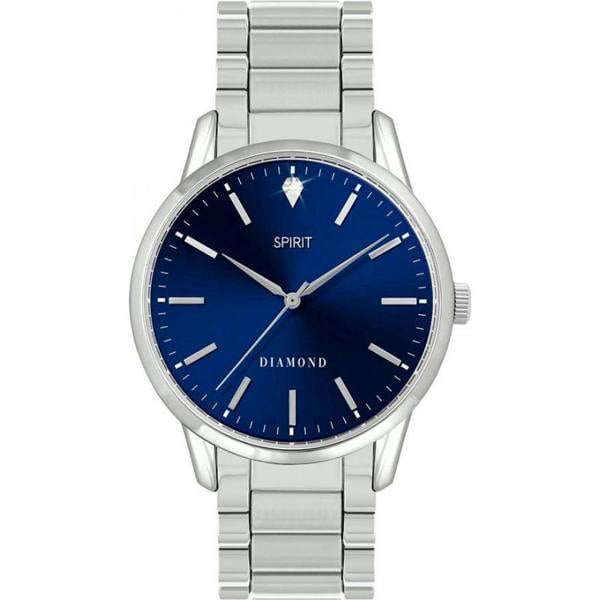
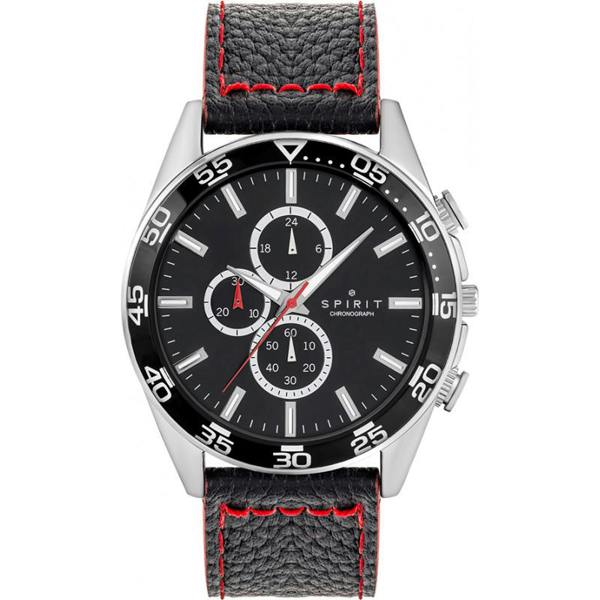
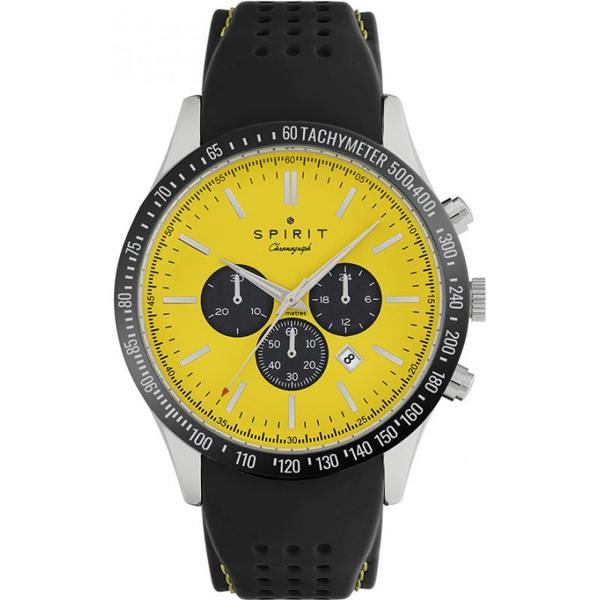
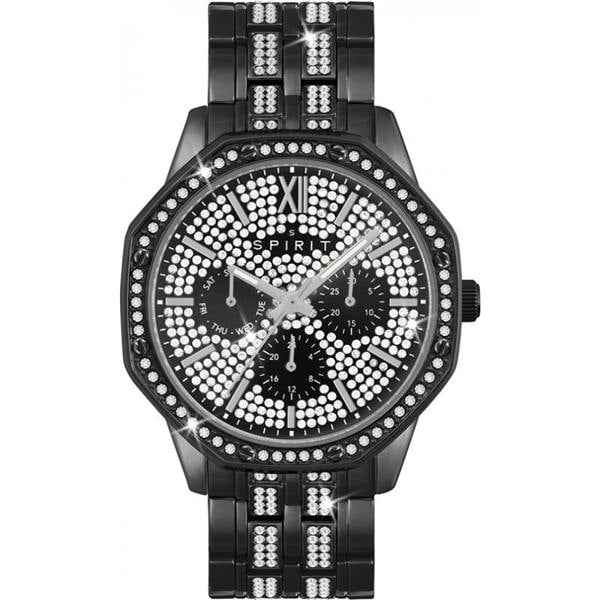
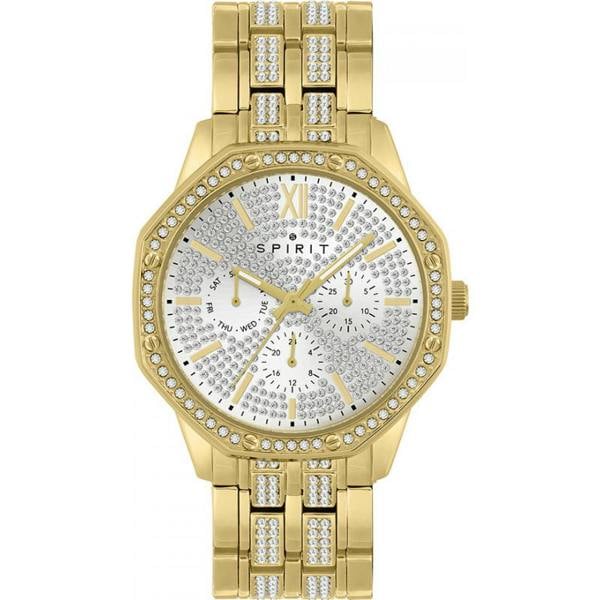
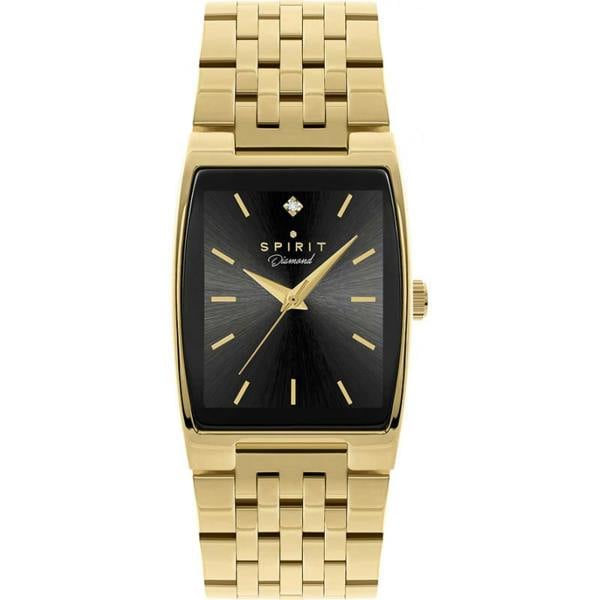
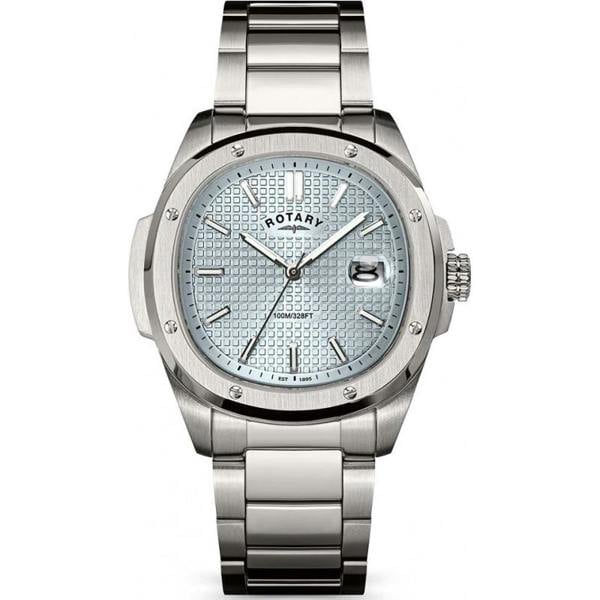
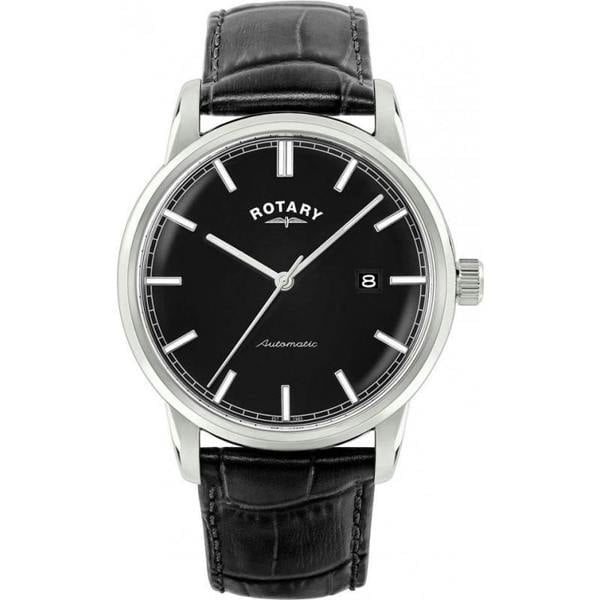
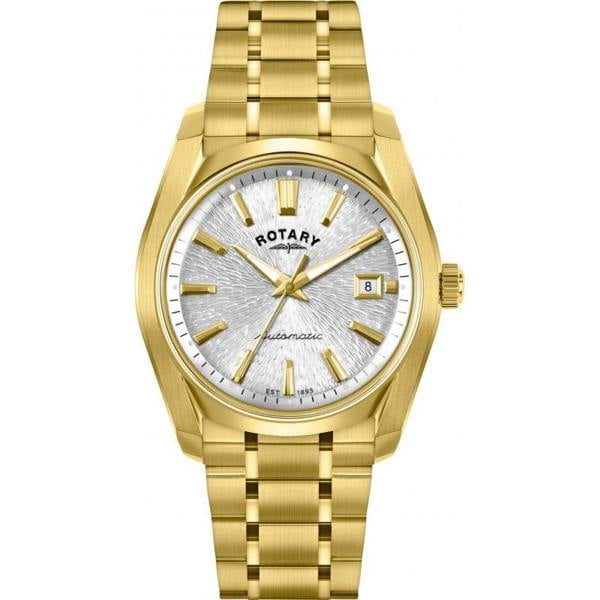
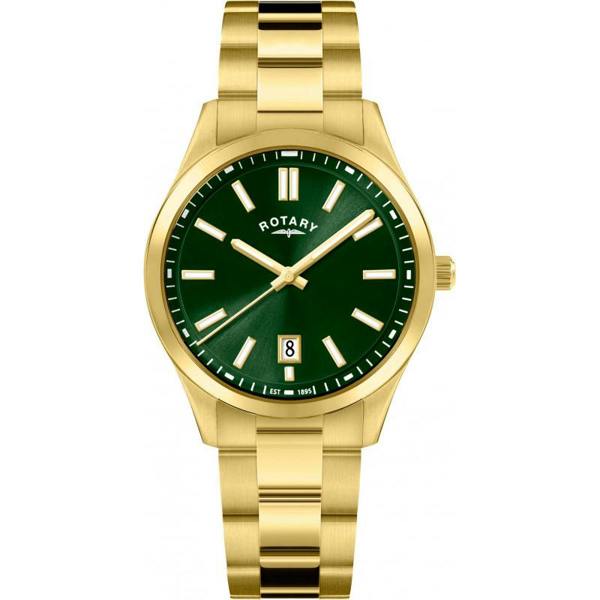
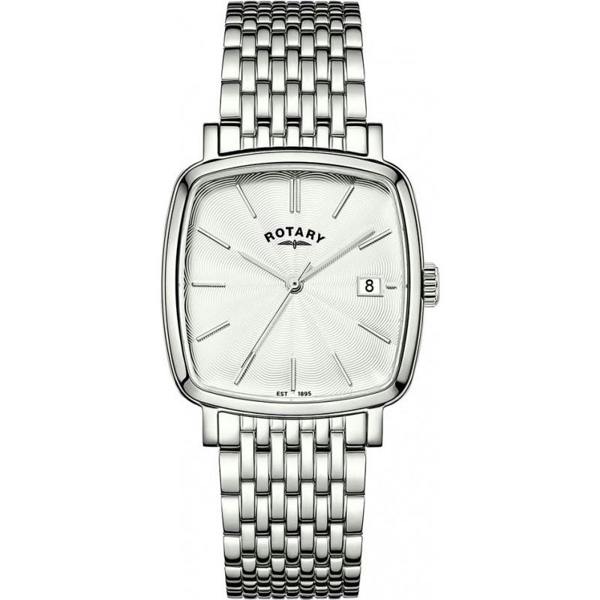
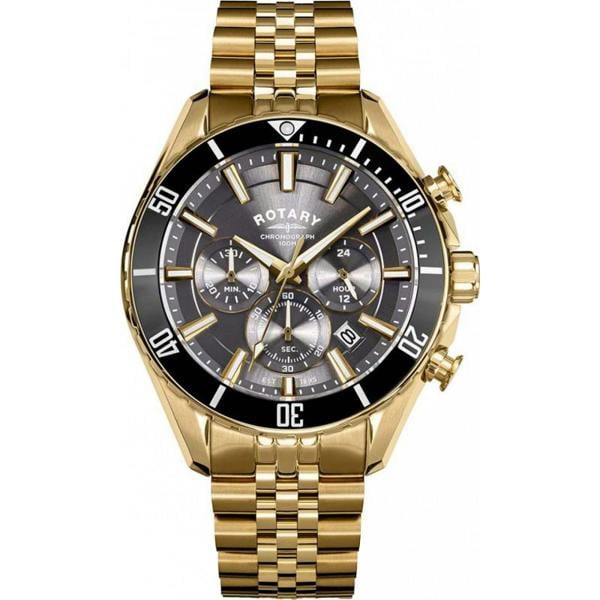
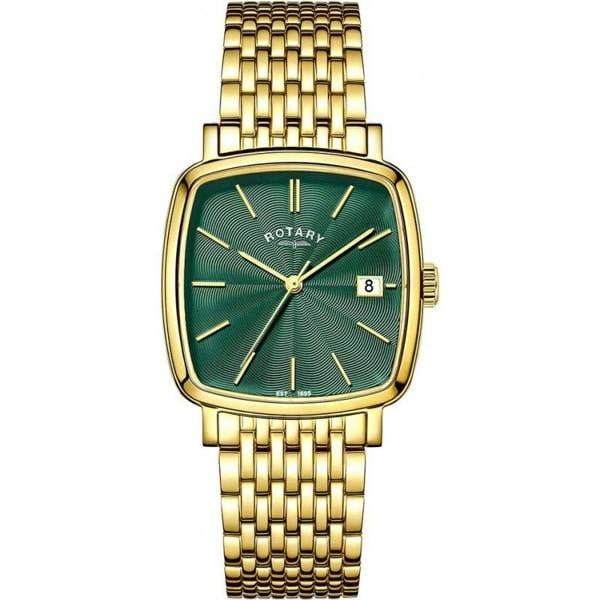
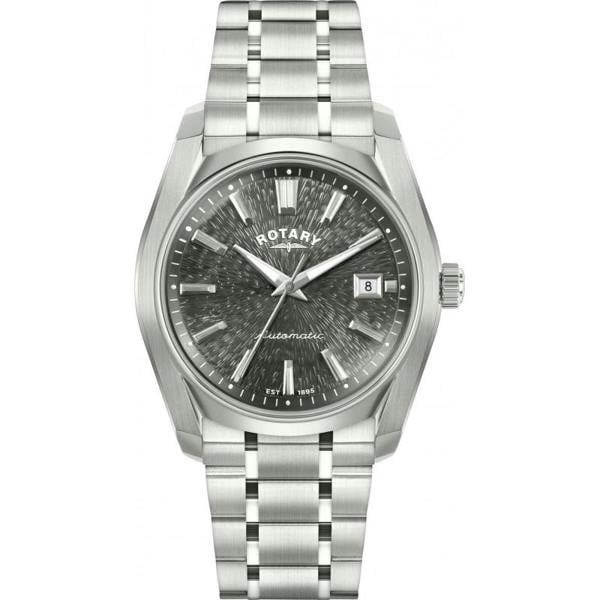
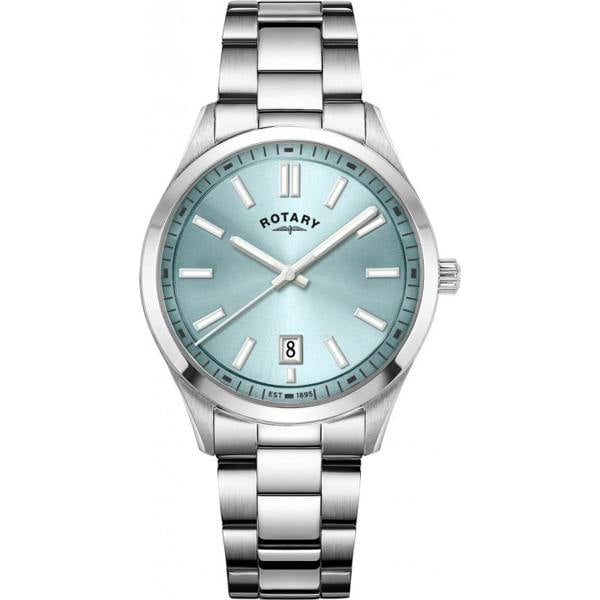
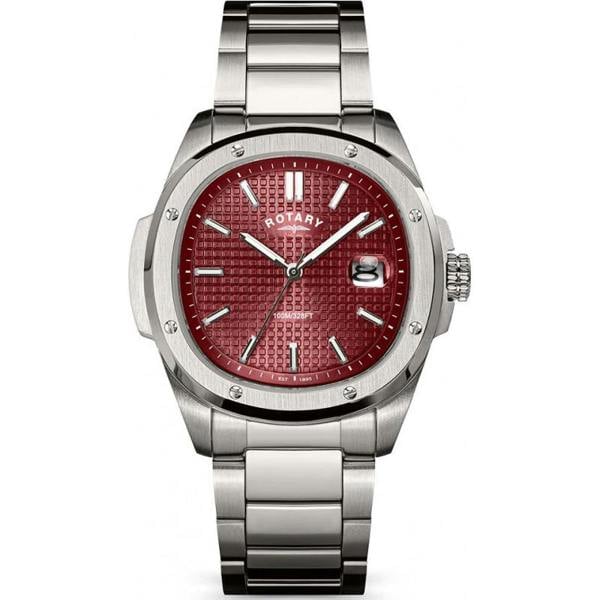
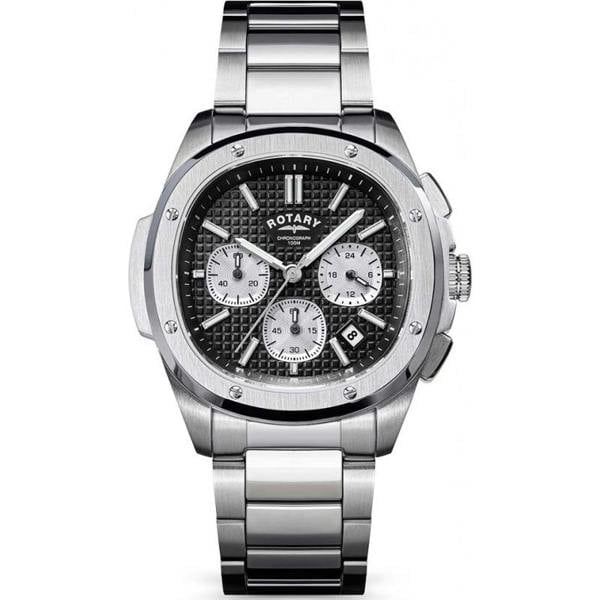
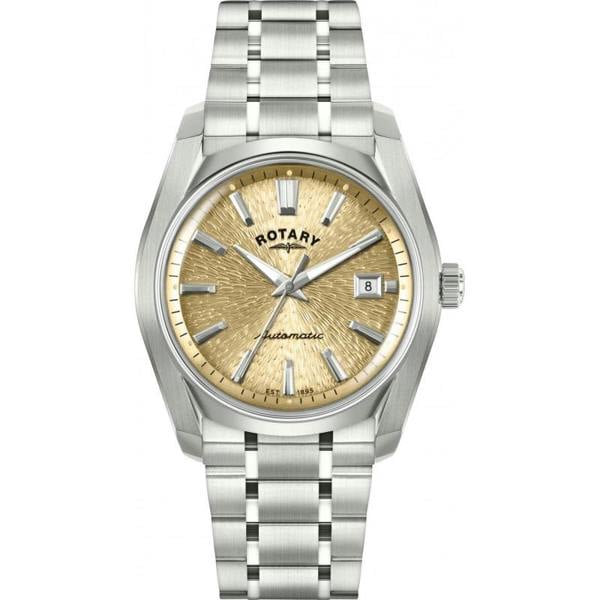
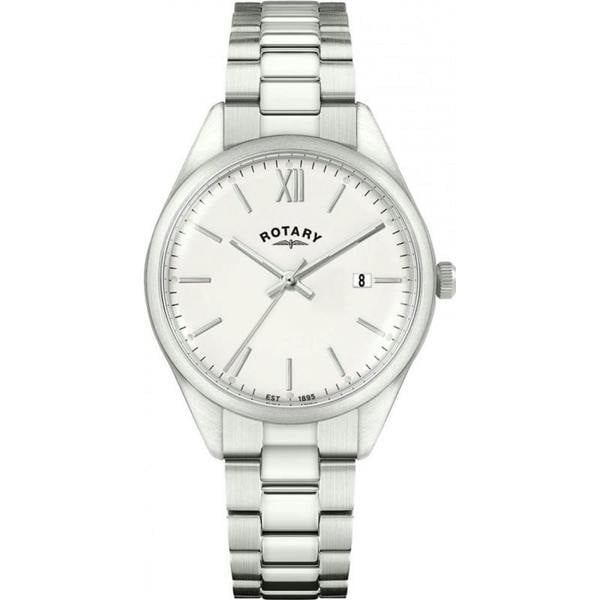
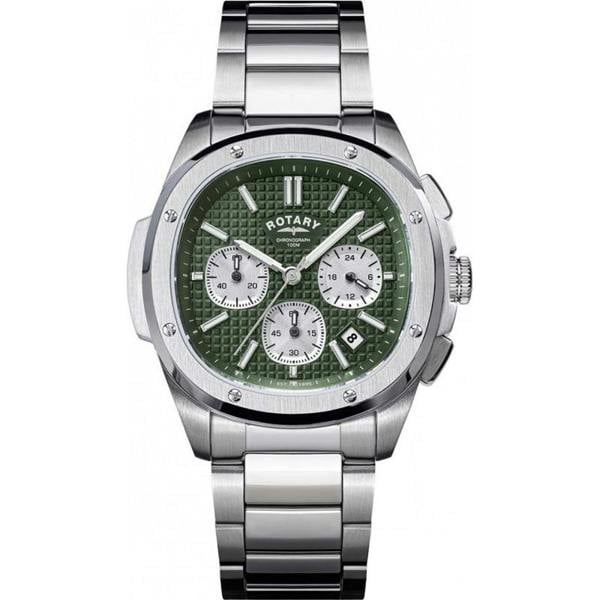
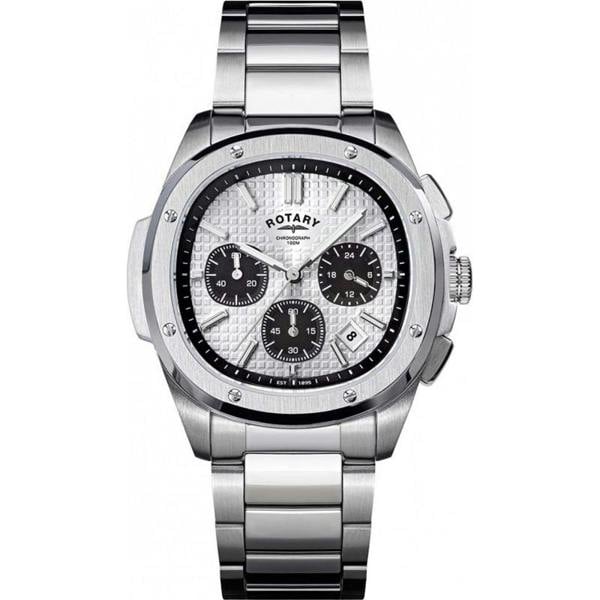
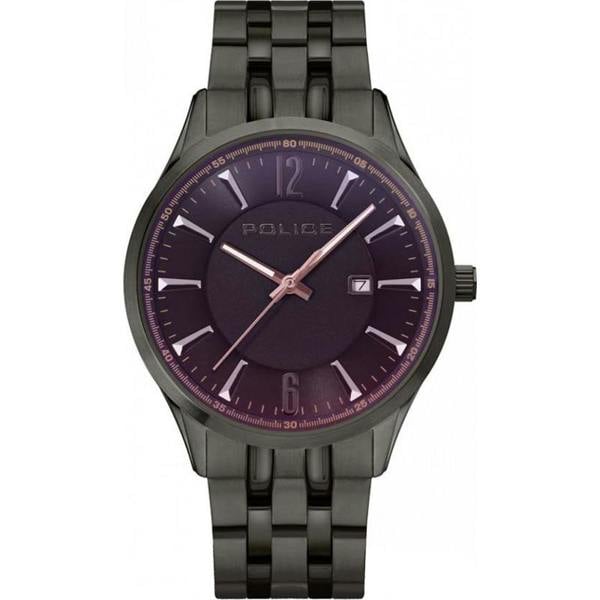
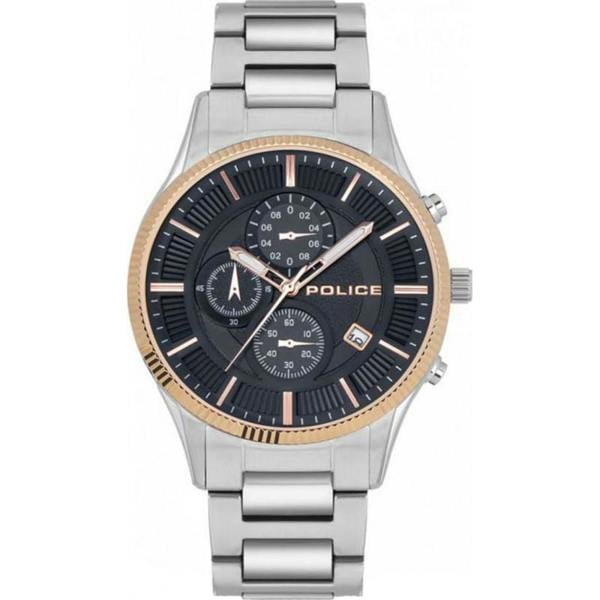
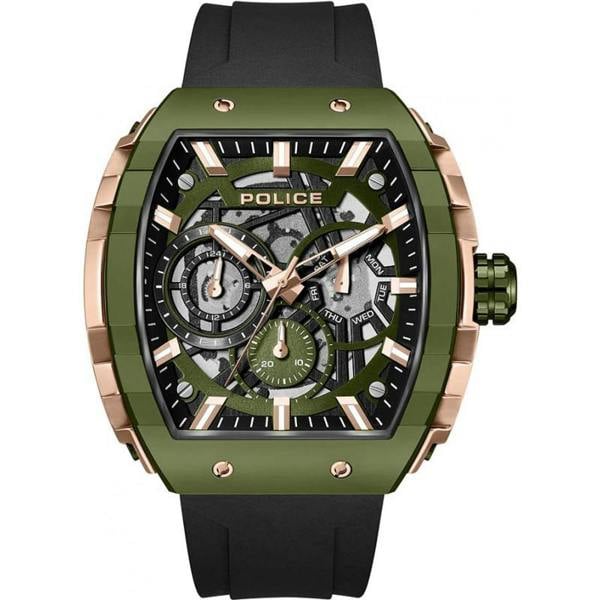
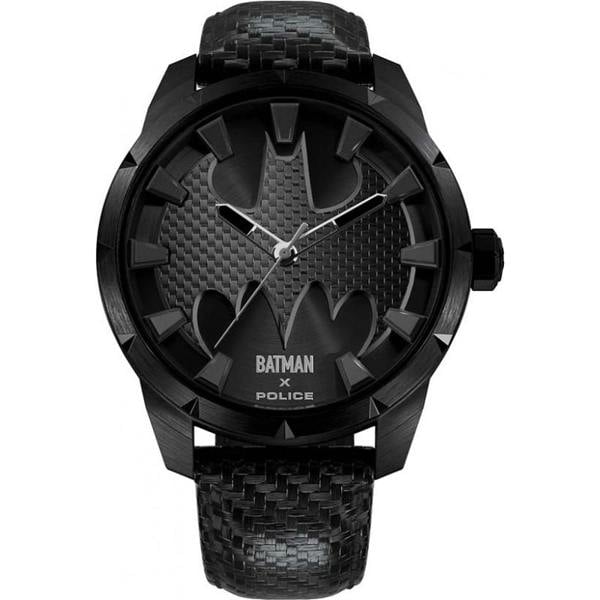
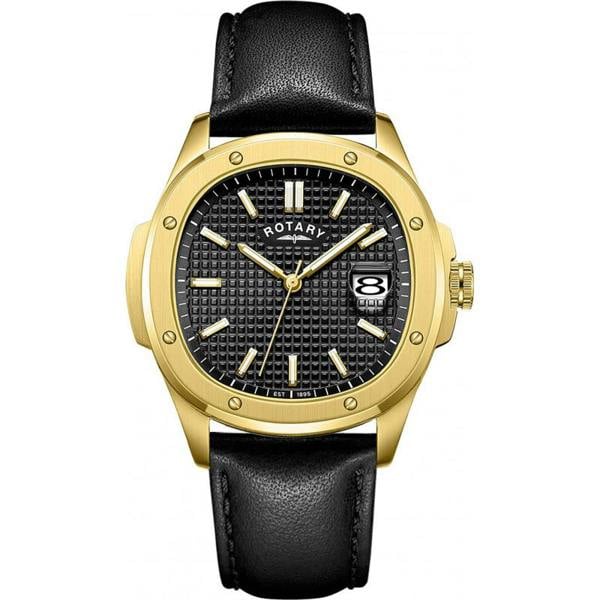
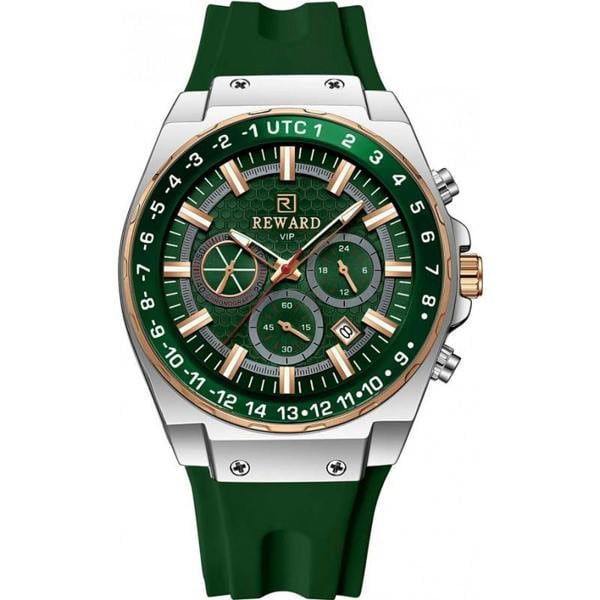
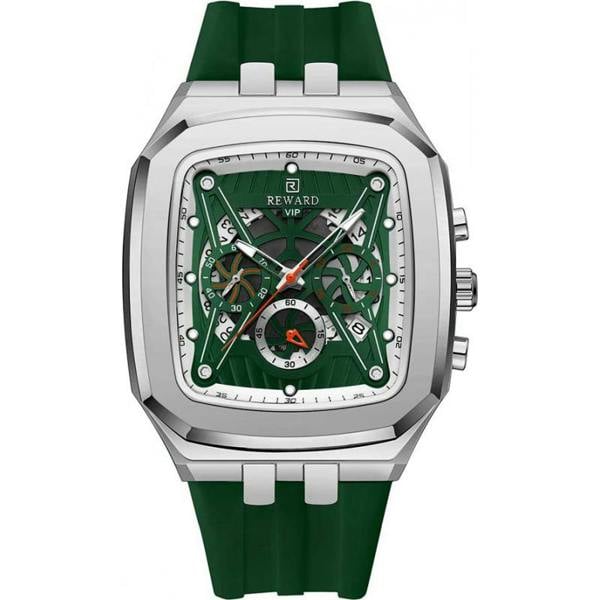
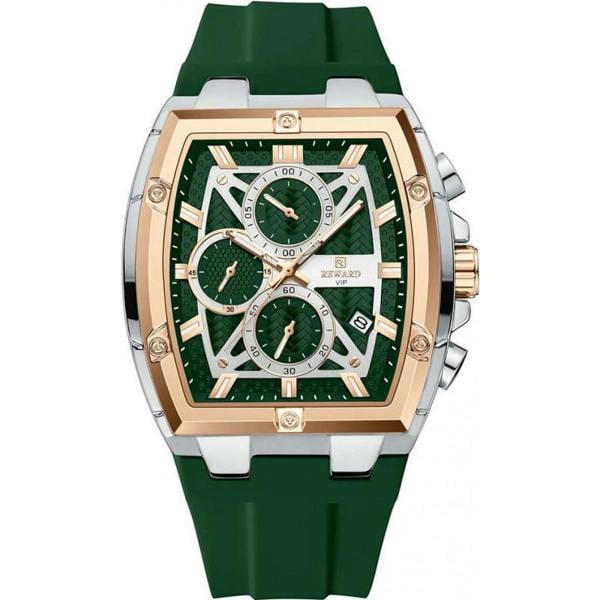
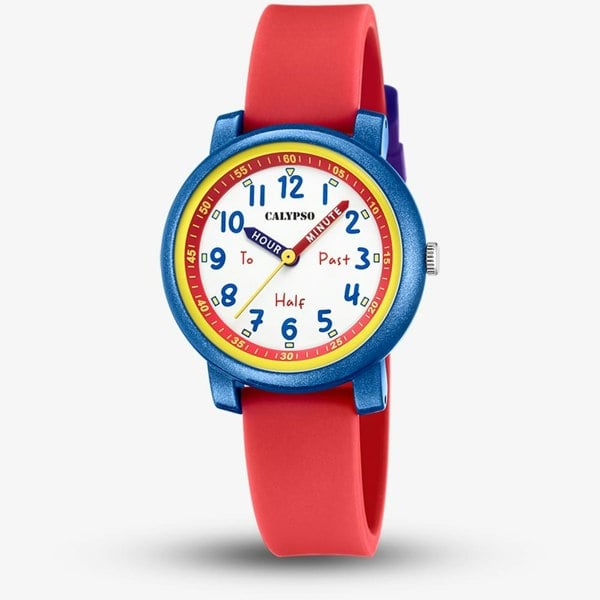
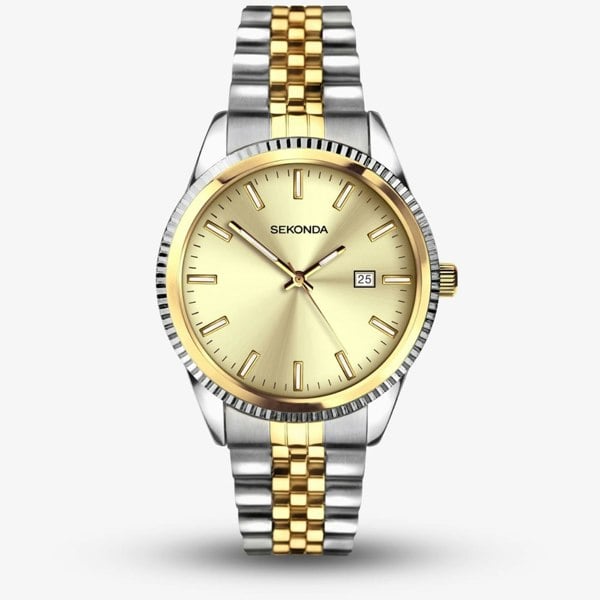
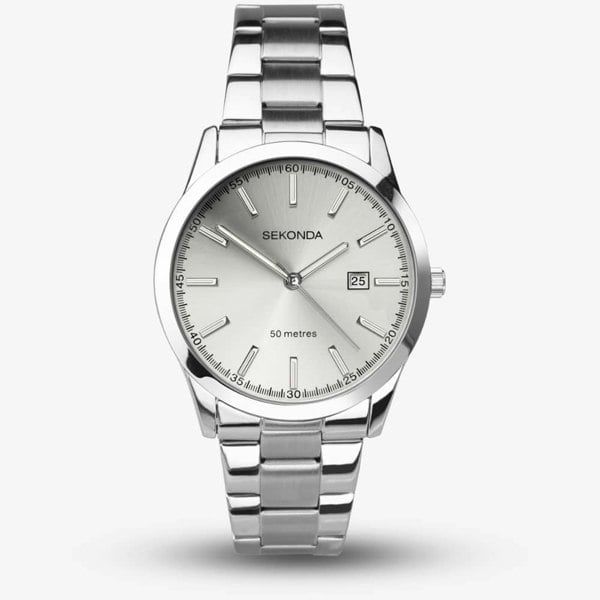
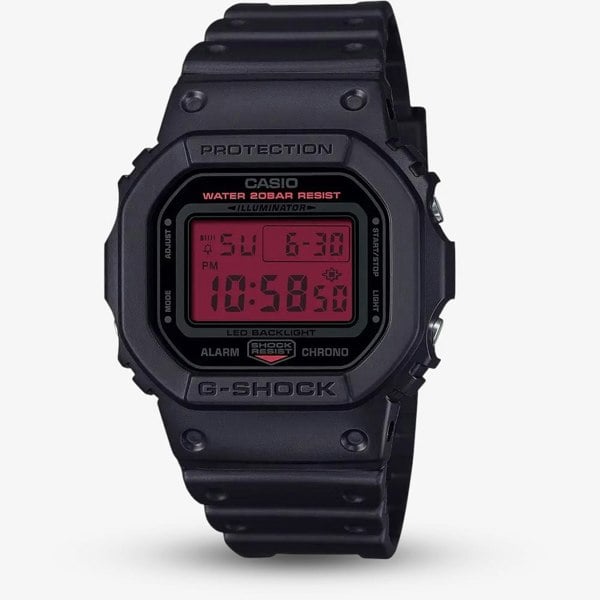
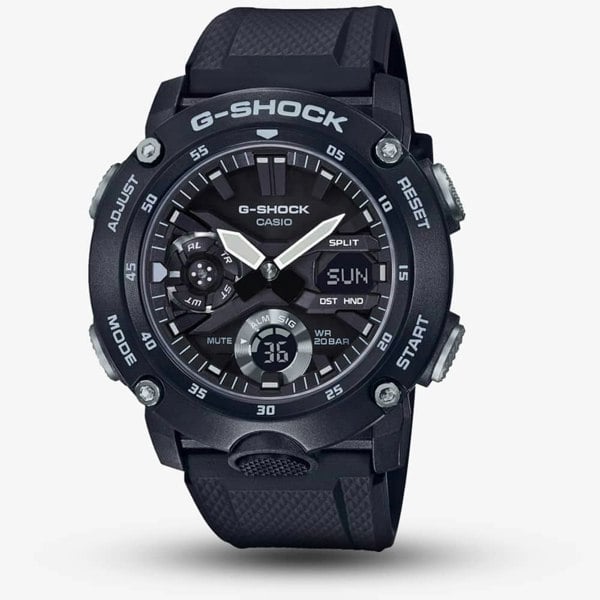
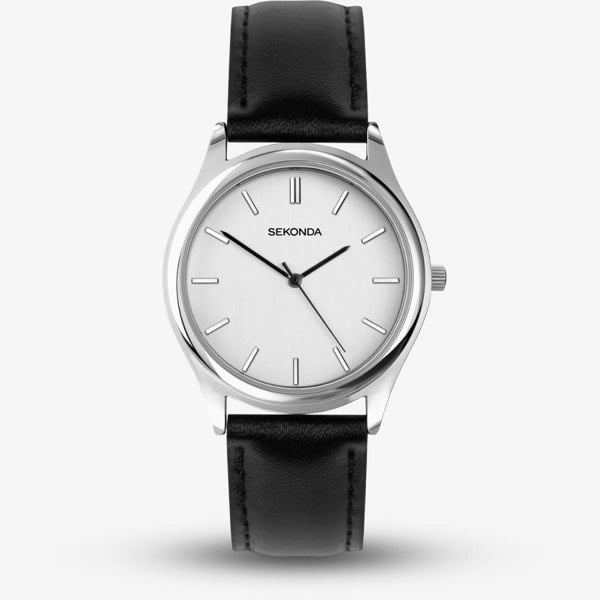
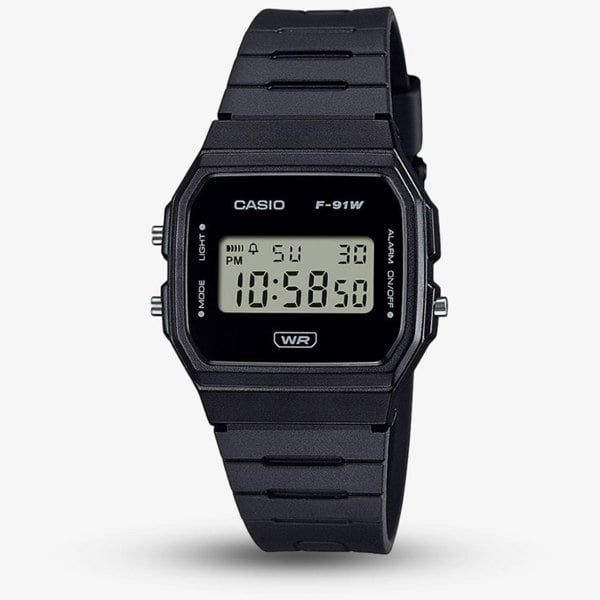
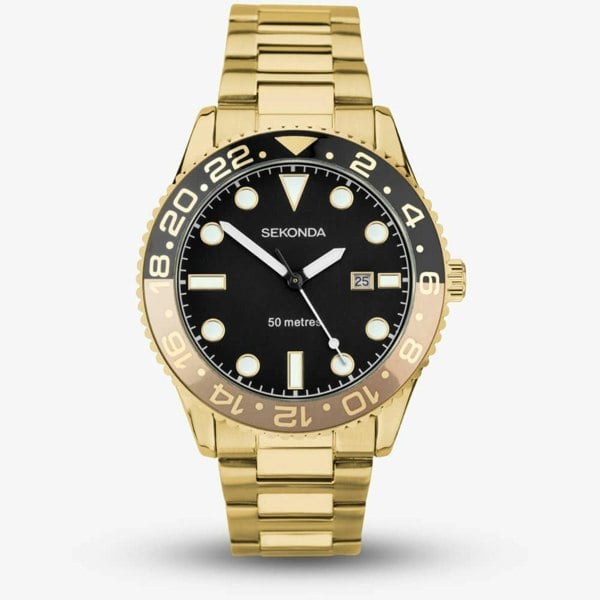
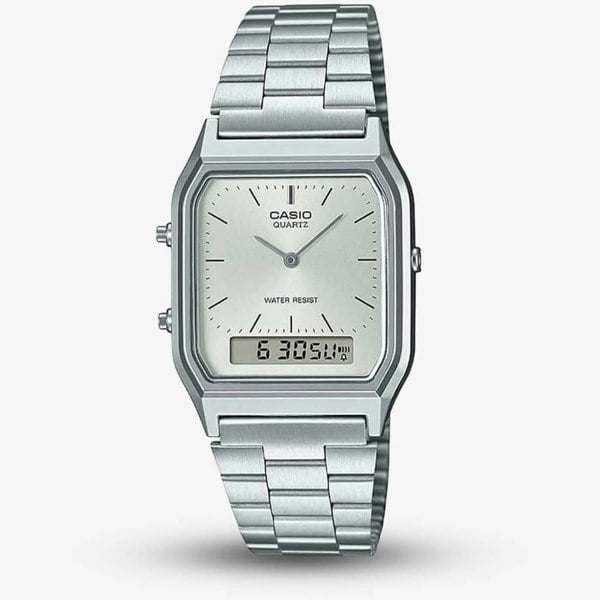
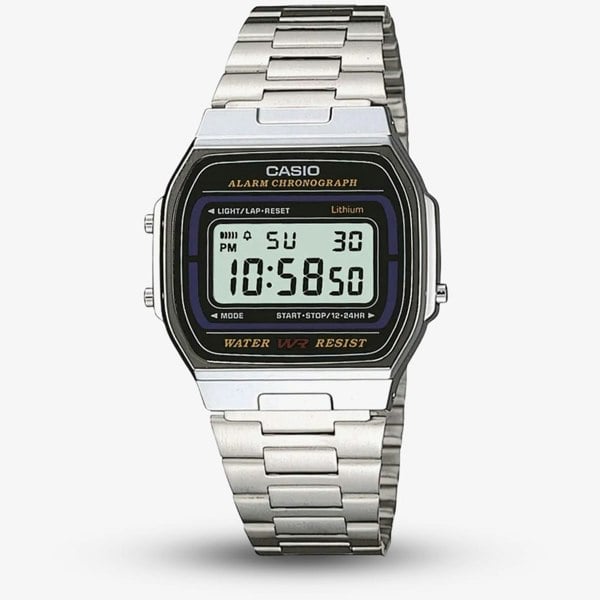
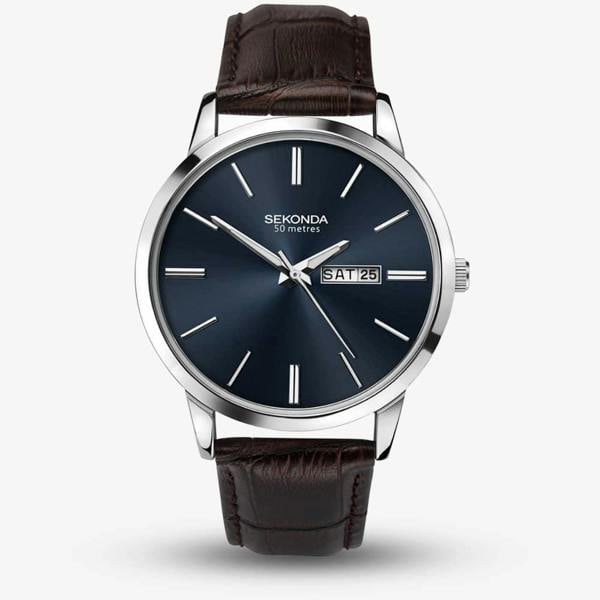
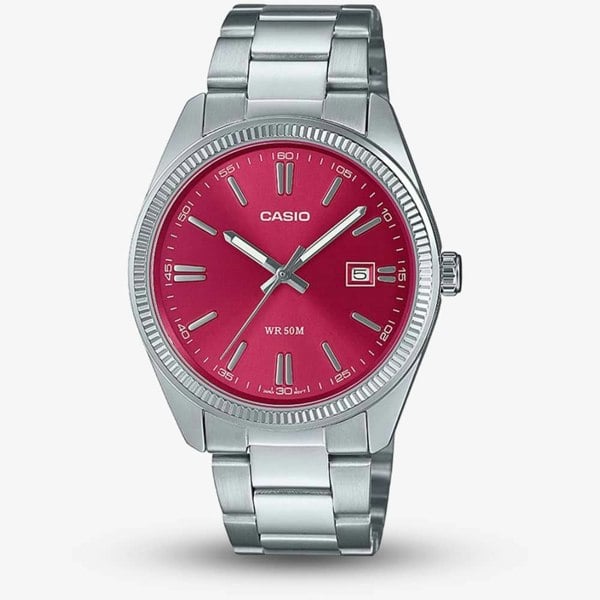
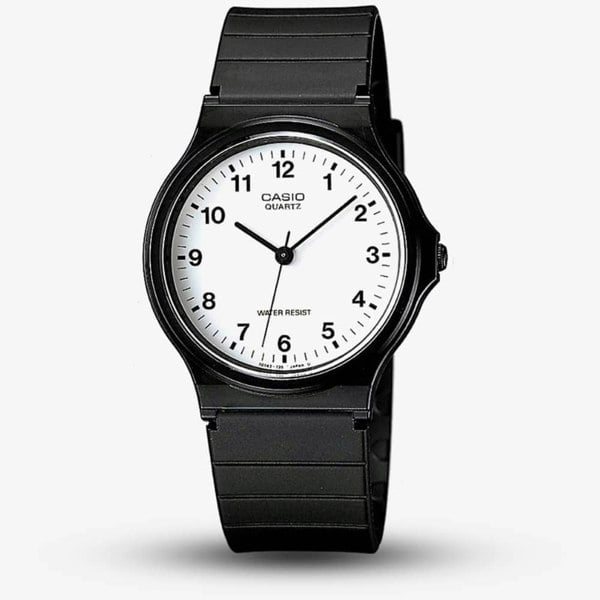
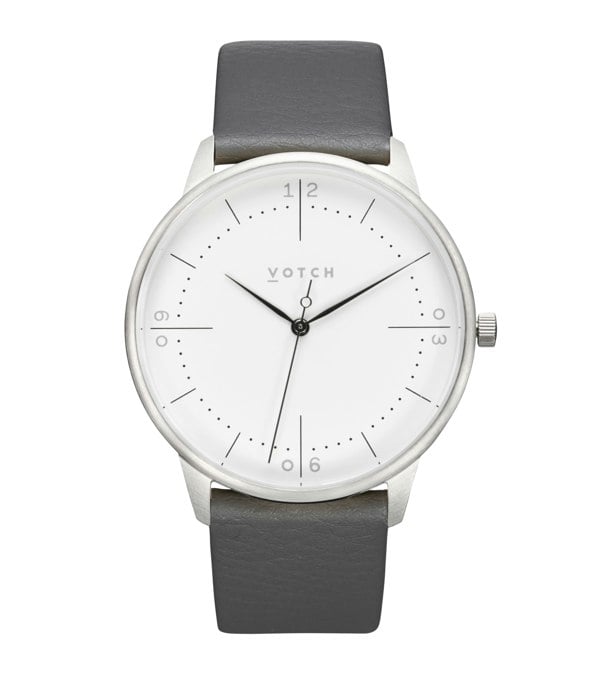
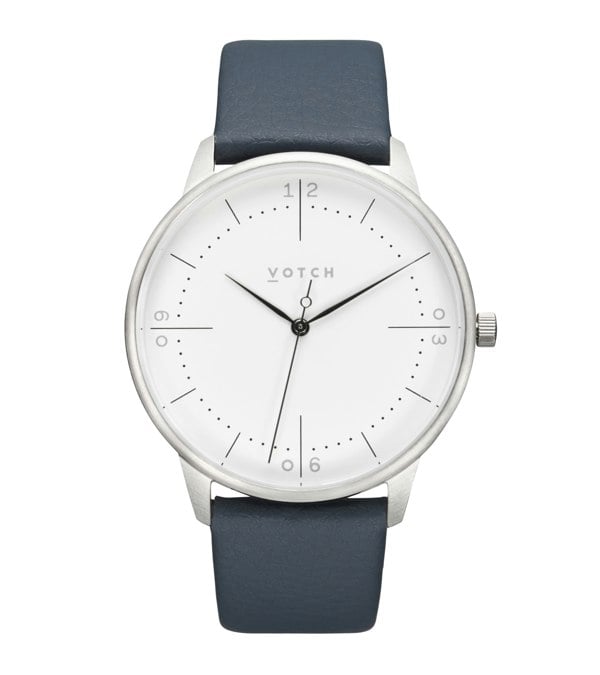
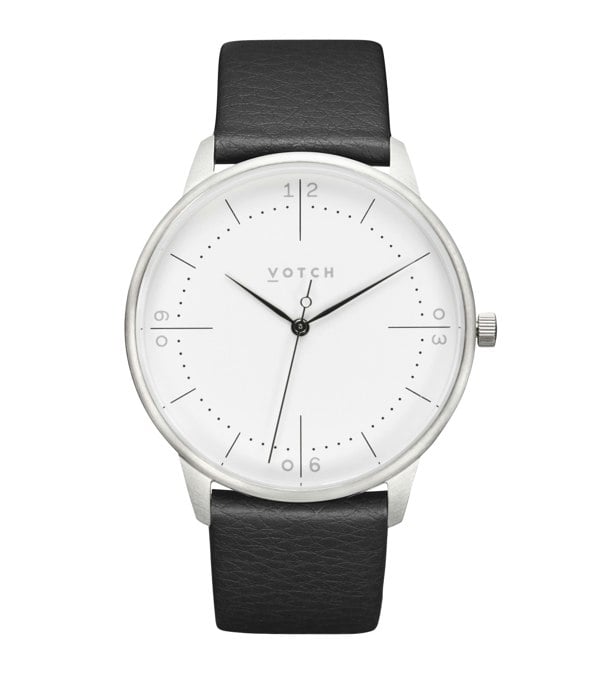
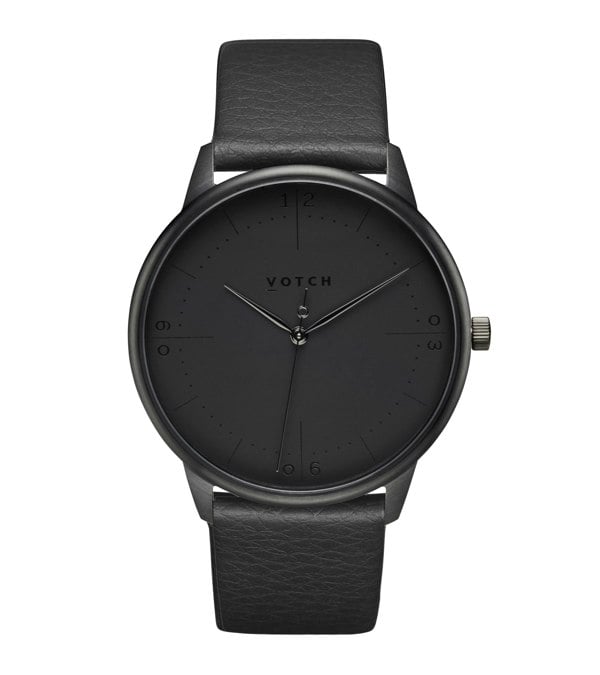
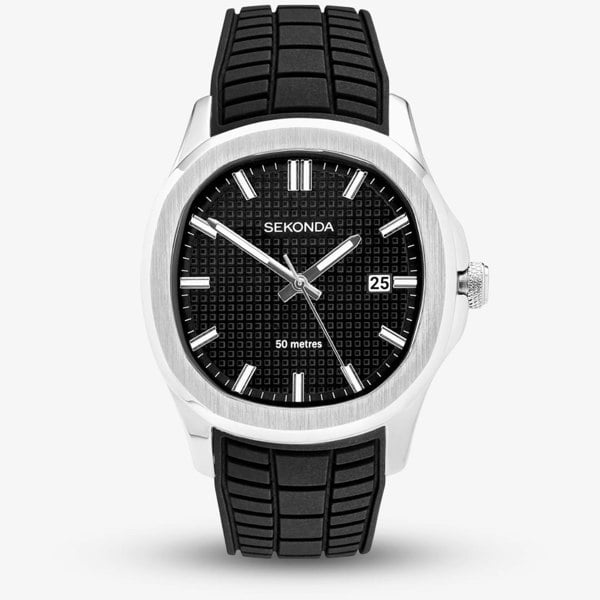
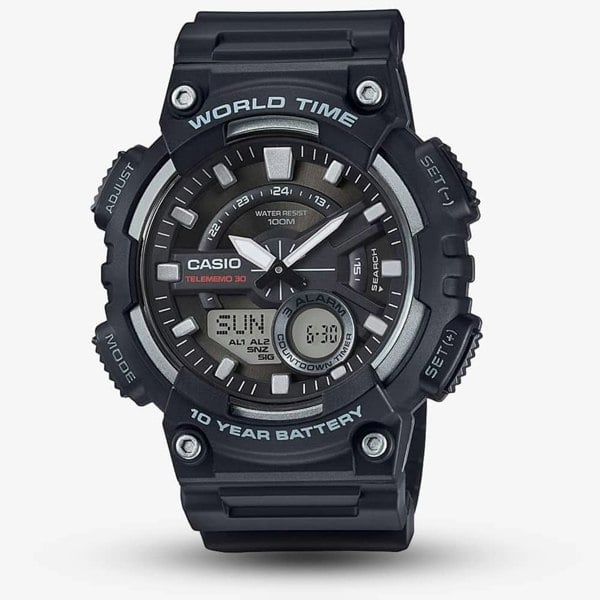
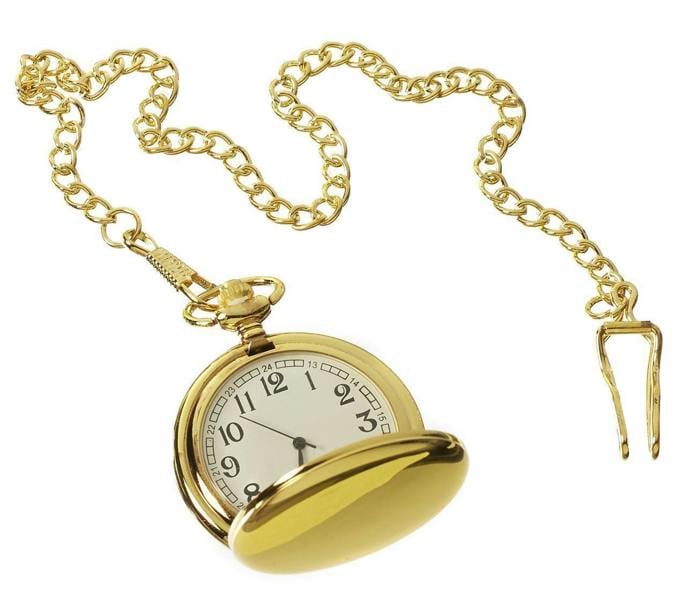
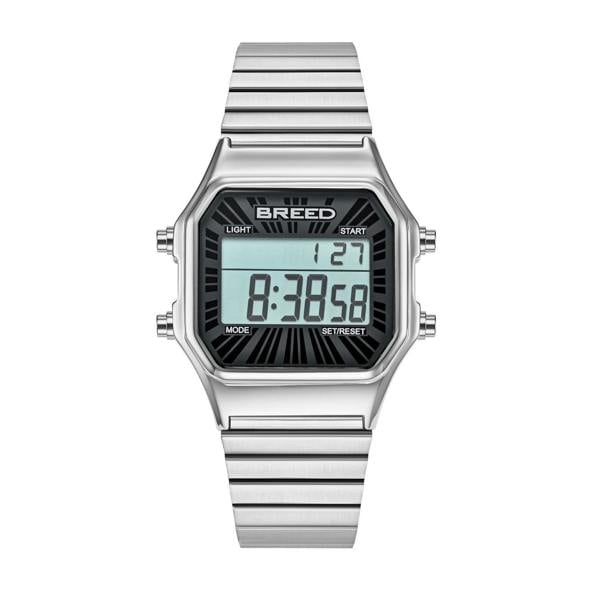
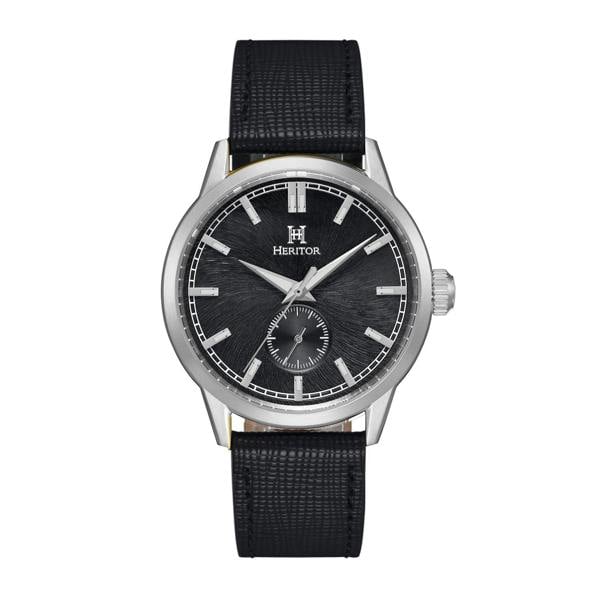
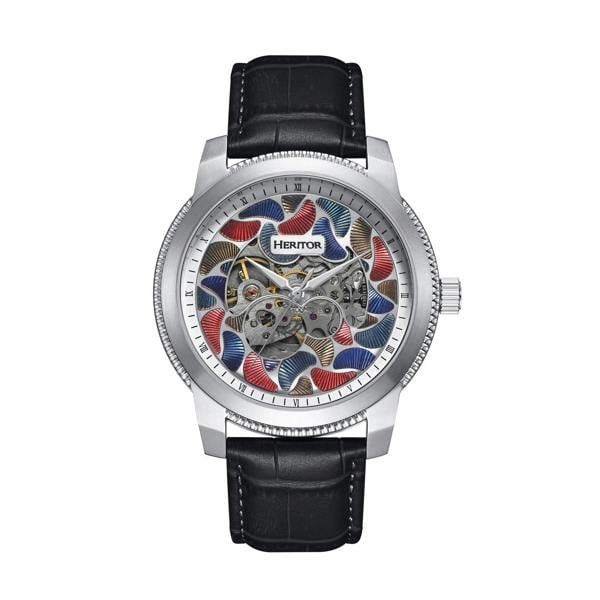
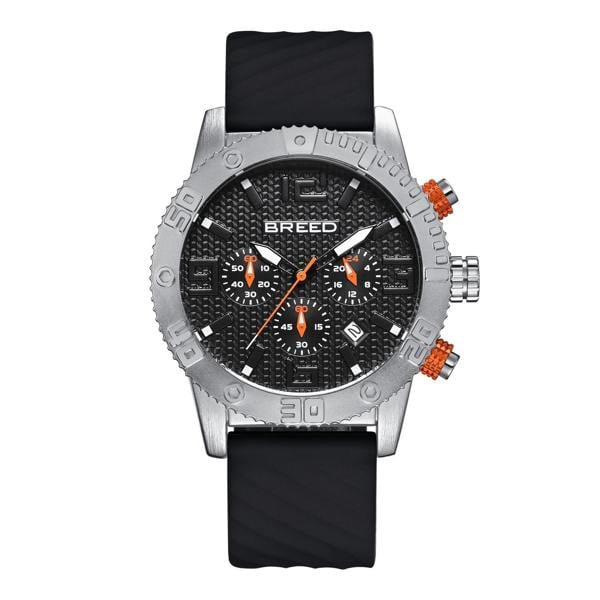
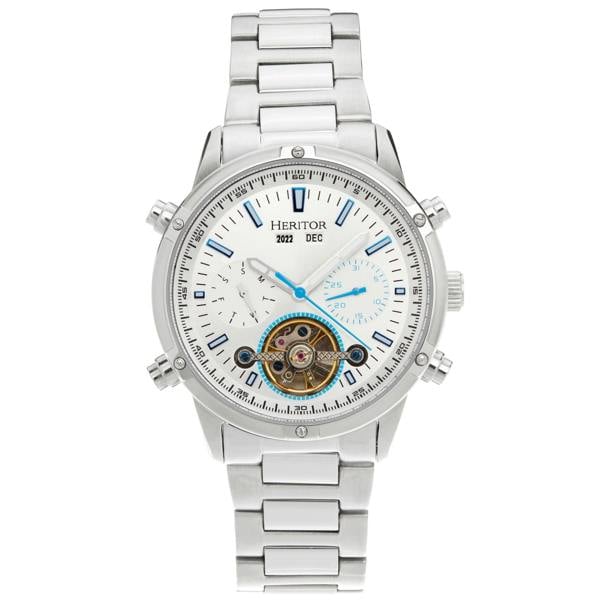
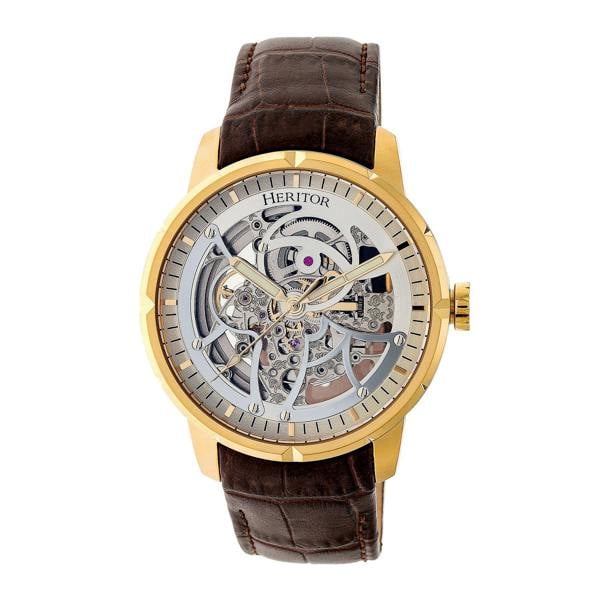
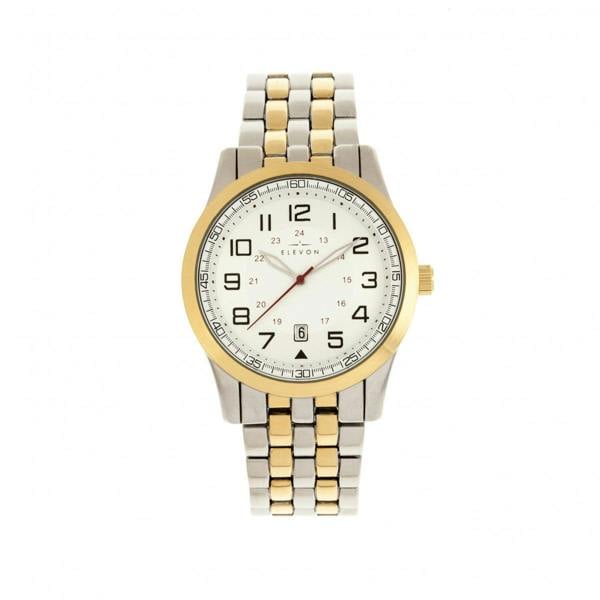
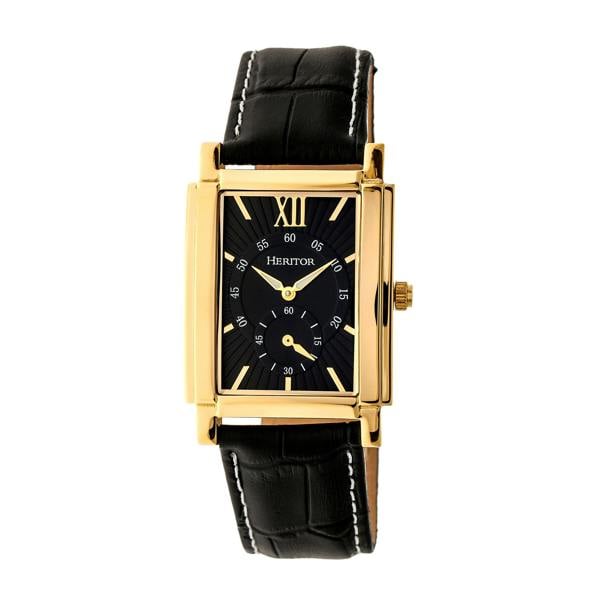
A men’s watch is more than just a tool to keep track of time—it’s an essential accessory that speaks to your personal style, taste, and personality. Whether you’re looking for something to wear every day, a statement piece for formal occasions, or a robust timepiece for outdoor adventures, the range of men’s watches available today offers something for every need. Rackhams department store offers a wide selection of men’s watches, helping you find the ideal timepiece that matches both your lifestyle and style preferences.
This guide will walk you through everything you need to know about selecting the perfect men’s watch, from the basics of watch types to key features, materials, and style considerations. With so many options available, we’ve also included answers to frequently asked questions to help you make an informed decision.
Types of Men’s Watches
Before diving into the selection process, it’s important to understand the different types of watches available. The main categories of men’s watches are:
1. Dress Watches
Dress watches are designed for formal occasions and typically have a sleek, minimalist design. They tend to have thinner cases, simple dials, and leather straps to complement suits, shirts, and tuxedos. These watches are about elegance and understated sophistication, with a focus on quality materials and design.
2. Sports Watches
Sports watches are built to withstand more physical activity and offer a range of features such as water resistance, rugged durability, and enhanced functionality. Many sports watches come with additional features like chronographs, tachymeters, or dive bezels, making them ideal for those who need a watch that can keep up with active lifestyles or outdoor adventures.
3. Field Watches
Field watches are designed for practicality and reliability, often inspired by military or tactical watches. They typically feature clear, legible dials, sturdy cases, and durable straps. These watches are perfect for everyday use, providing the perfect balance between functionality and style.
4. Pilot Watches
Pilot watches are often large and legible, designed with aviation professionals in mind. They feature large dials, oversized numerals, and often have rotating bezels or additional complications to assist with navigation. A pilot watch can be a striking, functional piece in your collection.
5. Diver Watches
Diver watches are specifically designed to be water-resistant, often to great depths, and are typically rugged, with large, easy-to-read dials and a rotating bezel. If you’re into water sports or simply want a timepiece that’s versatile and robust, a diver’s watch is an excellent choice.
What to Consider When Choosing a Men’s Watch
When shopping for a men’s watch, there are several factors to consider to ensure you select the right one for your needs. Here are the key considerations:
1. Movement Type: Mechanical vs. Quartz
The movement of a watch refers to the mechanism that powers it. There are two main types of movements to choose from:
• Mechanical Movements: Mechanical watches are powered by a mainspring that must be wound regularly to function. These watches are prized for their craftsmanship and often have a traditional appeal. They tend to be more expensive due to the intricate engineering required to create them.
• Quartz Movements: Quartz watches use a battery to power a quartz crystal, making them extremely accurate and low-maintenance. They tend to be more affordable and are ideal for those who want precision without the need for winding.
When choosing between the two, think about whether you prefer the traditional, hand-crafted charm of a mechanical watch or the accuracy and convenience of a quartz timepiece.
2. Material
The material of the watch case and strap plays a significant role in both the look and durability of the watch. Common materials include:
• Stainless Steel: Durable, resistant to corrosion, and versatile, stainless steel is a popular choice for both dress and sports watches.
• Titanium: Lighter than stainless steel but just as durable, titanium watches are ideal for those who want a robust watch without the added weight.
• Gold: Gold watches, available in yellow, rose, or white gold, are considered luxury items and are often chosen for formal or dress occasions.
• Ceramic: Ceramic watches are highly scratch-resistant, lightweight, and modern, offering a more contemporary aesthetic.
• Leather: Leather straps, often used in dress watches, add a classic touch and are available in various colours, textures, and finishes.
When choosing the material, think about the look you want, how much wear and tear the watch will endure, and your personal preference.
3. Watch Size and Fit
The size and fit of the watch is crucial to both its comfort and appearance. Watches are typically measured by the diameter of the case, with smaller watches generally ranging from 34mm to 40mm and larger watches from 42mm to 46mm or more.
If you have a smaller wrist, a watch with a smaller case diameter will likely be more comfortable and balanced, while larger wrist sizes can pull off bigger, more dramatic watches. You’ll also want to consider the thickness of the watch; thinner cases tend to be more formal, while thicker cases often have more features.
4. Water Resistance
Water resistance is an important feature to consider, especially if you plan to wear your watch in environments where it may be exposed to water. While most watches can handle splashes or brief immersion, others, such as dive watches, can withstand more extreme water conditions.
Water resistance is usually measured in metres or ATM (atmospheres), with 30m or 3ATM suitable for everyday wear, 50m-100m suitable for swimming, and 200m or more recommended for diving.
5. Watch Complications
Watch complications are any additional features or functions that a watch provides beyond telling the time. Some popular complications include:
• Date/Day Displays: Common in many watches, these displays show the date or day of the week on the dial.
• Chronograph: A stopwatch function that allows you to measure elapsed time.
• Moon Phase: Displays the current phase of the moon.
• GMT Function: Useful for travellers, this complication allows you to track time in two different time zones.
When choosing a watch with complications, consider whether you need these additional features or if you prefer a simpler, more traditional design.
© 2026 Rackhams Retail Limited
Follow us


Pay securely with:


Terms & Conditions Cookie Settings Privacy Policy