

 0
0

 Free Delivery on all orders!
 The Rackhams Guarantee
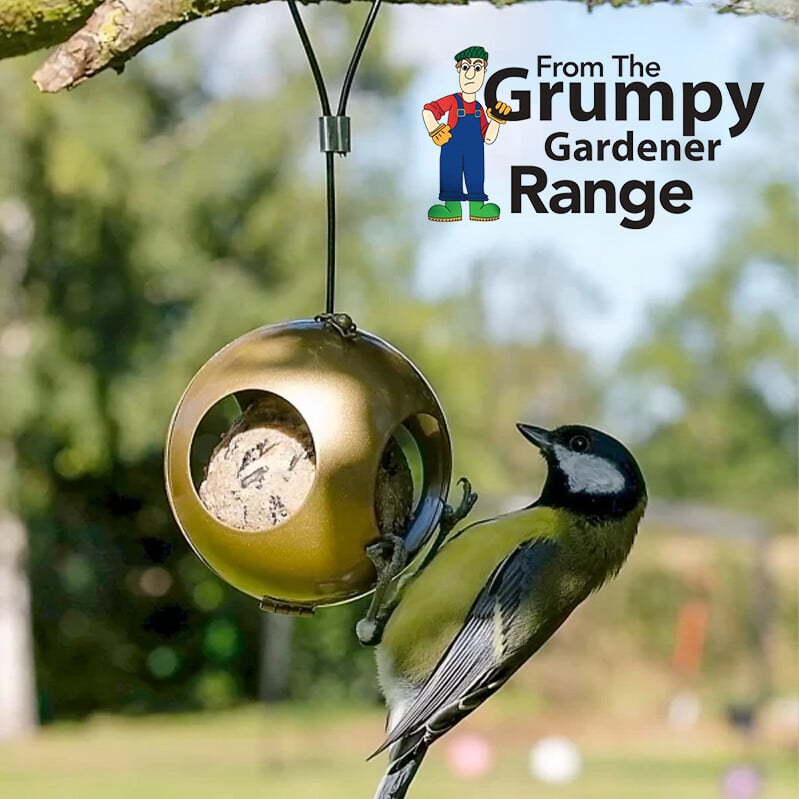
The Grumpy Gardener at Rackhams
A garden full of birdlife starts with a reliable supply of good food. Grumpy Gardener grew out of a father and son business shaped by decades of professional landscaping, and its bird care range carries the same practical outlook.
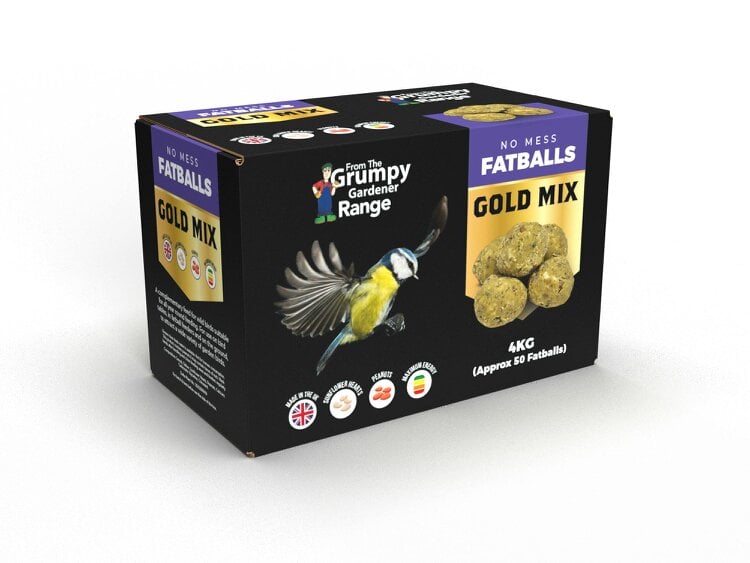
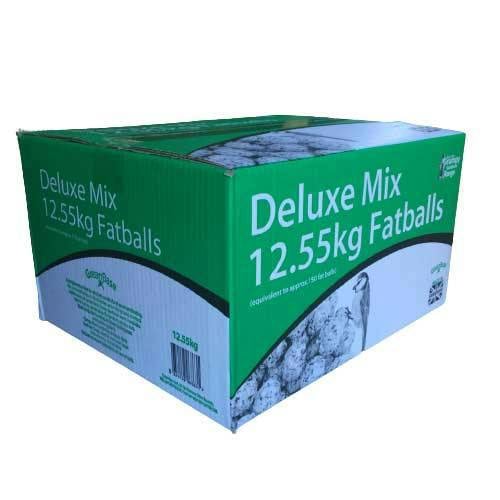
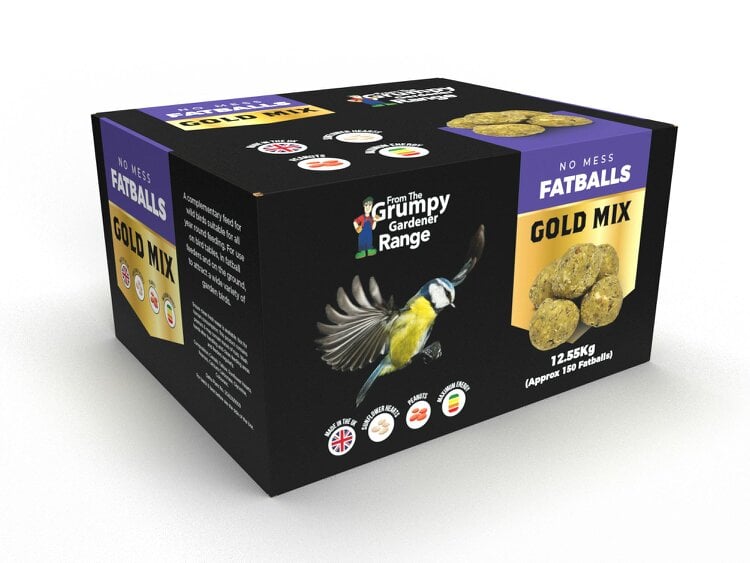
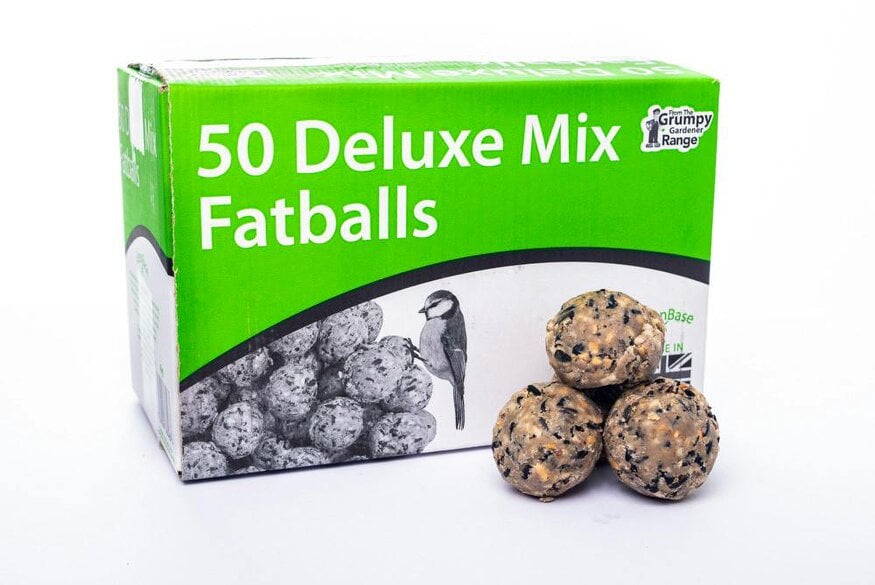
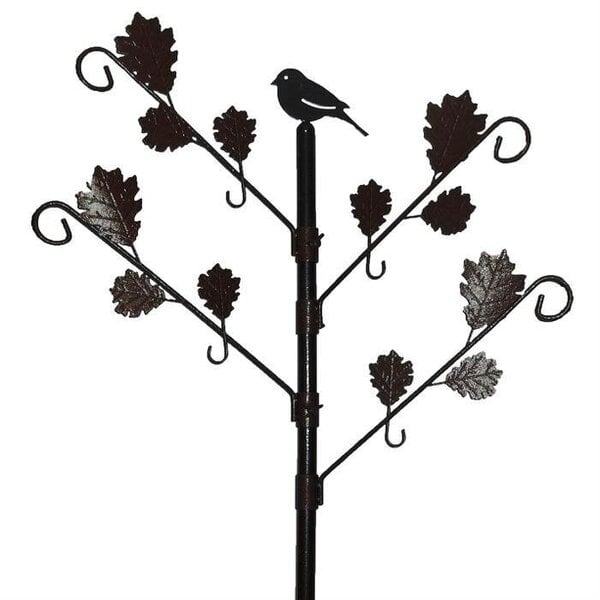
The selection here centres on fat balls made in the UK, from no-mess varieties that leave less debris beneath the feeder to deluxe mix fat balls that give visiting birds a valuable energy source through the colder months. Generous bulk boxes make it easy to keep feeders topped up across the seasons without constant reordering. A decorative bird feeding station with multiple hanging hooks completes the range, creating a single focal point for fat ball, seed and suet feeders on a lawn or border. Free delivery on every order.
Grumpy Gardener
(5)Filters

About Grumpy Gardener
Grumpy Gardener was founded in 2011 by Michael Smith and his son Joe. Michael had spent more than 35 years as a professional landscaper, and the business began by bringing one of his own garden inventions to market. A year later, appearances on Dragons' Den and the Alan Titchmarsh Show gave rise to the Grumpy Gardener name and range.
The brand has since grown into a familiar name on TV shopping channels in the UK and abroad, and its range now spans garden tools, planters, bird feeders and seasonal decorations. Bird care has become a central part of the business, with fat balls and bird food produced in the UK for the brand, developed to give British garden birds a dependable, good-quality food source all year.
Frequently Asked Questions about Grumpy Gardener
Who makes Grumpy Gardener products?
Grumpy Gardener is a British family business founded in 2011 by father and son Michael and Joe Smith, drawing on Michael's long career as a professional landscaper. The brand first came to wider attention through Dragons' Den and the Alan Titchmarsh Show.
Is Grumpy Gardener bird food made in the UK?
Yes. Grumpy Gardener fat balls and bird food are manufactured in the UK for the brand, with the aim of offering garden birds quality British-made food.
Can fat balls be put out all year round?
Fat balls are most valuable in autumn and winter, when natural food is scarce and birds need extra energy to get through cold nights. They can be offered year round, but in warm weather it is best to put out smaller amounts more often so they stay fresh, and to always remove any mesh bags before hanging.
Where should a bird feeding station be placed?
A feeding station works best in a quiet, open spot that gives birds a clear view of their surroundings, roughly two metres from dense shrubs or fences where cats could hide. Moving it a short distance every few weeks helps keep the ground beneath it clean.
© 2026 Rackhams Retail Limited
Follow us


Pay securely with:


Terms & Conditions Cookie Settings Privacy Policy