
 0

 Free Delivery on all orders!
 The Rackhams Guarantee
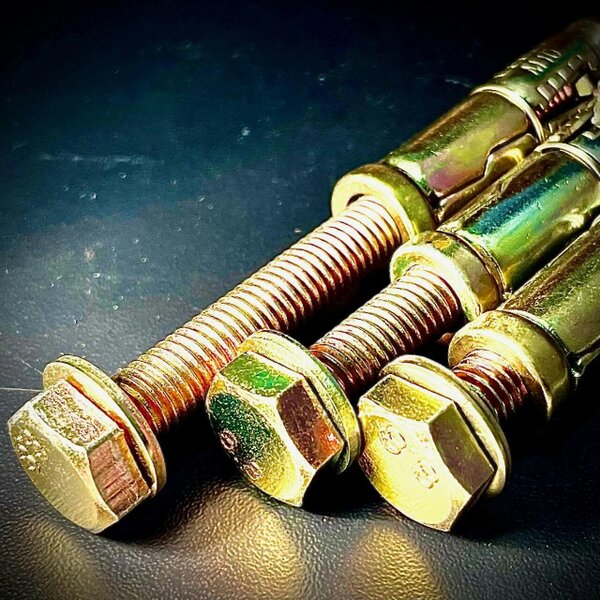
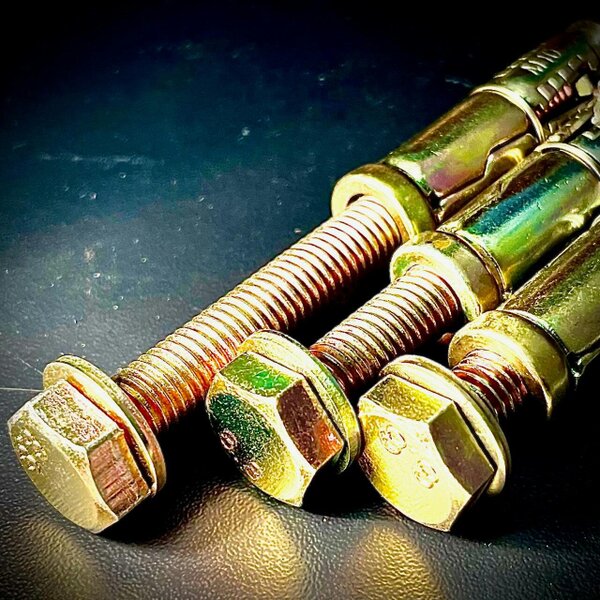
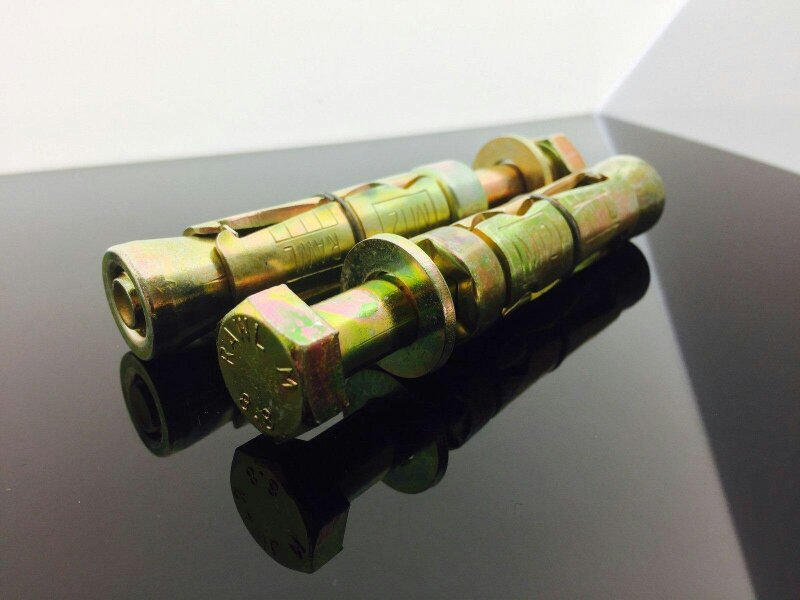
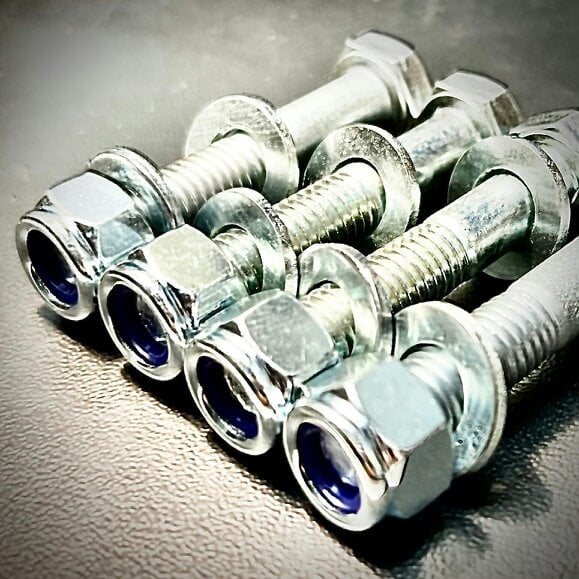
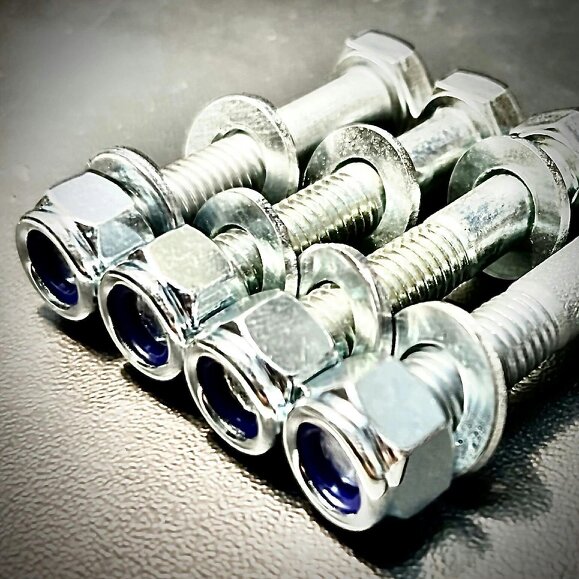
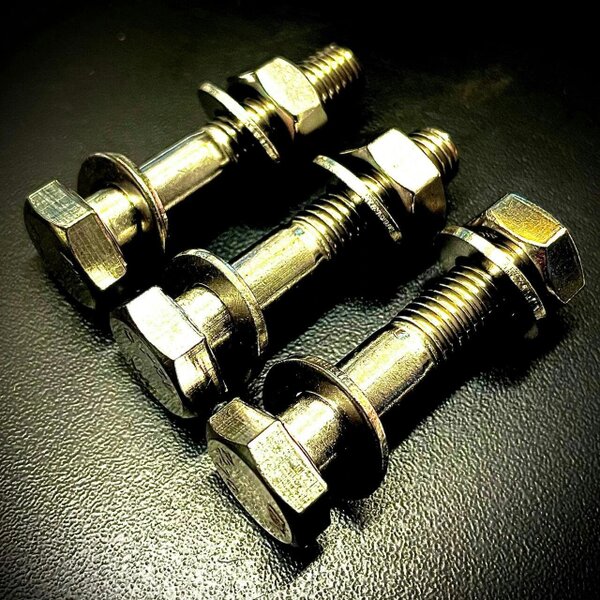
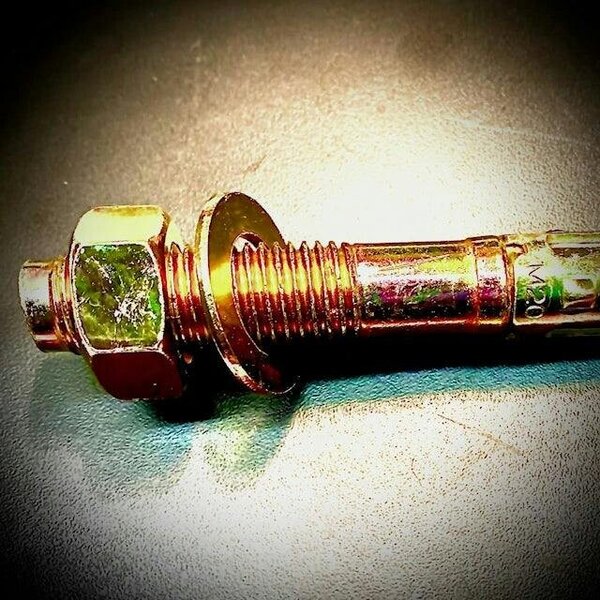
Fixaball M16 Bolt Shield Anchor Masonry Concrete Brick Stone
From £16.63


Fast & Free Delivery *

Backed by the Rackhams Guarantee


Rated Excellent by Customers on Google
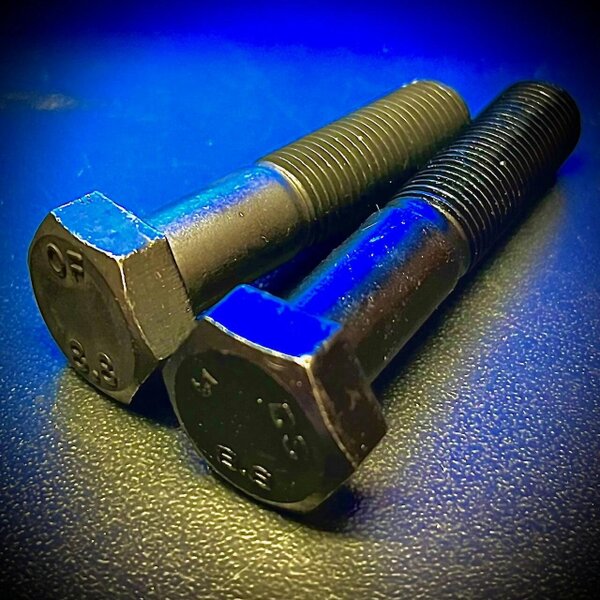
For heavy-duty masonry fixing, the Fixaball M16 loose bolt shield anchor combines an M16 threaded hex head bolt with a masonry shield. It is supplied in high tensile 8,8 steel with a zinc finish and is suitable for use in concrete, brick and stone.
This anchor is offered in multiple maximum fixing thickness options. Correct installation is essential to achieve the stated performance values, including the specified hole size, hole depth and tightening torque.
Key features
- M16 threaded hex head loose bolt with masonry shield
- High tensile 8,8 steel
- Zinc finish
- Suitable for concrete, brick and stone
Available options
- Maximum fixing thickness: 15mm
- Maximum fixing thickness: 30mm
- Maximum fixing thickness: 60mm
Specifications
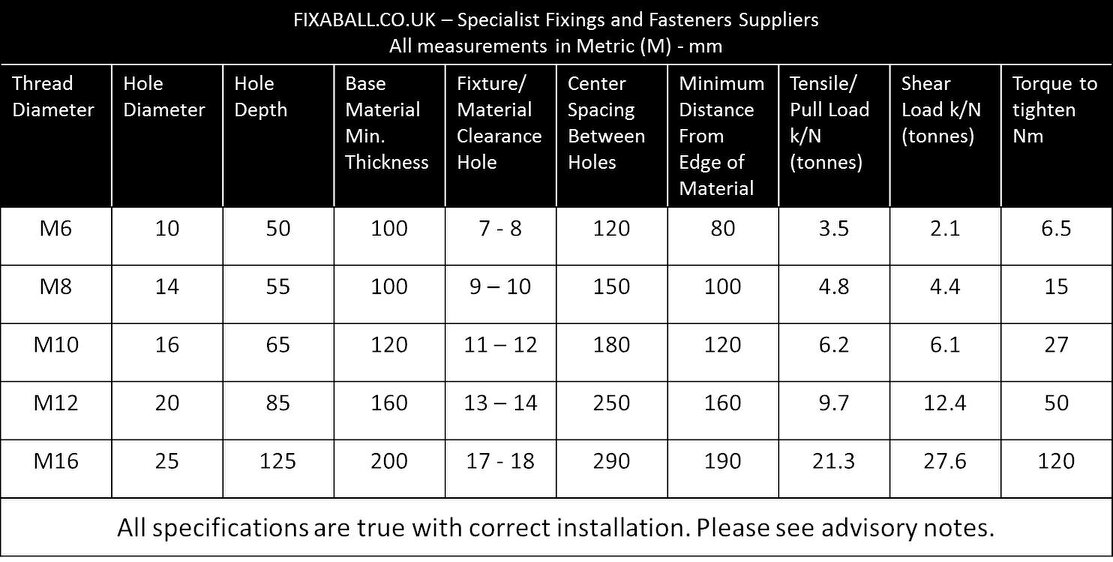
- Thread diameter: M16
- Shield hole size: 25mm
- Hole diameter: 25
- Hole depth: 125
- Fixture/material clearance hole: 17 - 18
- Centre spacing between holes: 290
- Minimum distance from edge of material: 190
- Tensile/pull load: 21. 3 k/N (tonnes)
- Shear load: 27. 6 k/N (tonnes)
- Torque to tighten: 120 Nm
- Socket size guide: M16 - 24mm spanner
Safety information
- Drill holes to the specified minimum depth and diameter.
- Keep holes square to the surface of the base material during installation.
- If rebar is encountered when drilling concrete, stop drilling, repair the hole with high quality mortar, and create a new hole no less than twice the diameter of the shield anchor away.
- Clean the hole using an appropriate sized brush.
- At an installation temperature of 0, make sure water does not seep into the hole, as expansion from water to ice could crack the concrete.
- Under wet conditions, use a specified injection resin.
- Insert the anchor through the material to be fixed into the hole up to the embedment depth according to the stated values, and use a hammer to ensure the required depth.
- Do not apply any intermediate layer between the material to be fixed and the washer, including sealing products.
- Apply the specified torque with a torque wrench.
- If the holes in the material to be fixed are larger than required, a thicker washer of bigger diameter is necessary. This procedure does not ensure correct distribution of shear loads amongst all anchors of the same group, and the shear load is applied only to anchors with a correct diameter on the material to be fixed.
Rackhams Reference : KYL3213RN9
Diameter
16mm
Colour
Gold
Material
Zinc
Suitable For
Concrete, Brick
This product is supplied by one of our approved partners.
Rackhams brings together a curated group of trusted partners so you can shop a wider range of premium products in one place — all backed and guaranteed by Rackhams.
We remain your single point of contact for every order, managing your experience from checkout through to delivery and after-sales support.
Learn more about the Rackhams Guarantee.
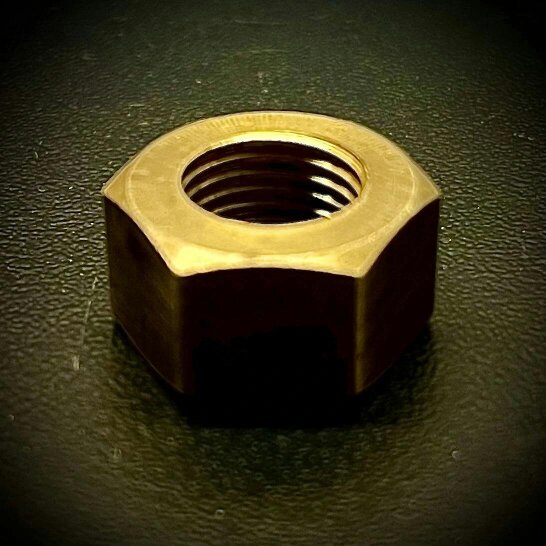
Fixaball UNF 5/8" Full Hexagon Nut Brass
From £15.91
Recently viewed


Save 10%
Anniou Men's UV Cooling Arm Sleeves
£28.80
£32.00

Save 15%
SPORTGIFTZ Red Snooker Ball Desktop Clock
£29.74
£34.99

Save 10%
Anniou UPF 50+ Cap and Neck Gaiter
£28.80
£32.00

Save 10%
Anniou Cropped Hoodie UPF 50+
£46.80
£52.00

Save 10%
Anniou Vinyl Brim Sun Shield Mask
£28.80
£32.00
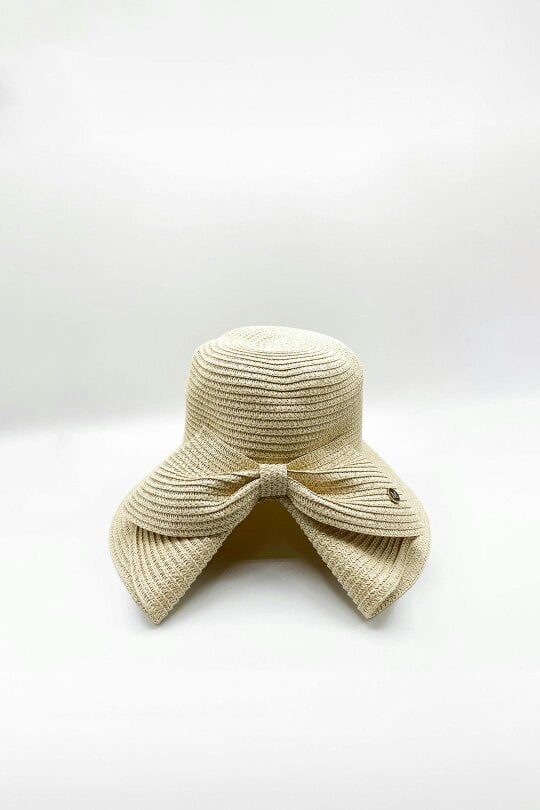
Save 40%
SVNX Bow Foldable Summer Hat in Beige
£20.40
£34.00
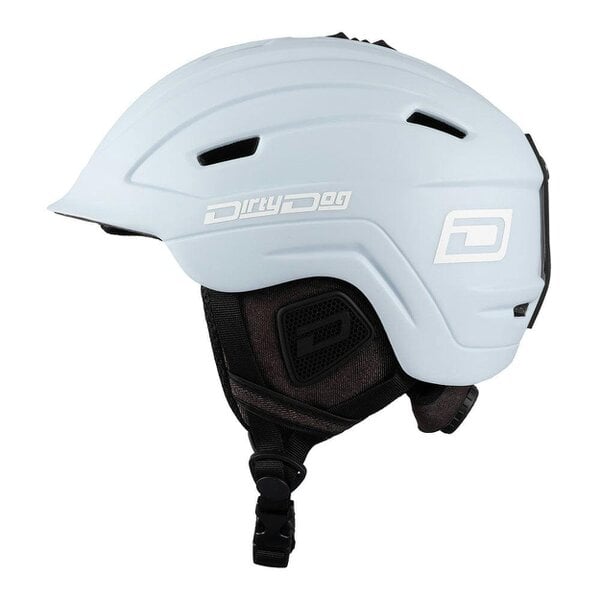
Dirty Dog HYDRA - Matte Mist Blue
£53.95
£70.00
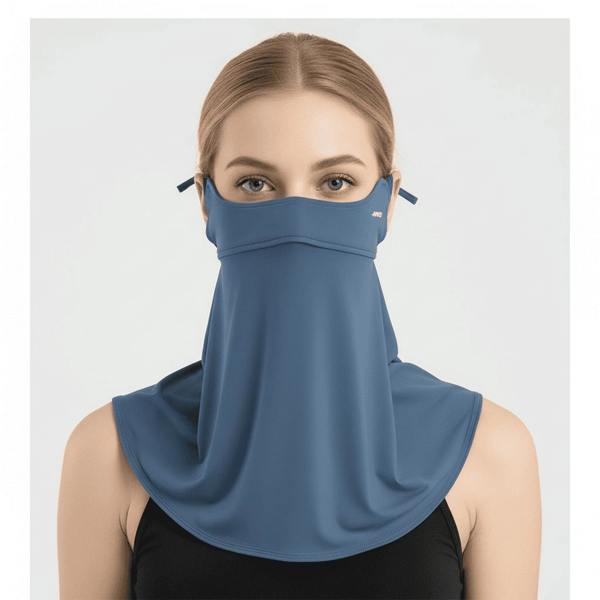
Save 10%
Anniou Summer Face Cover UPF 50+
£28.80
£32.00

Save 10%
Anniou Seamless Sun Protection Mask
£19.80
£22.00
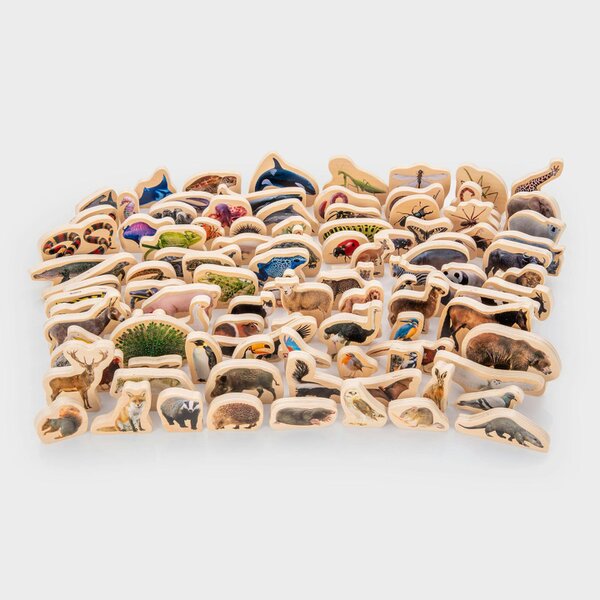
tickit Wooden Animal Blocks Bundle
£129.99
£139.93
© 2026 Rackhams Retail Limited
Follow us


Pay securely with:


* Delivery availability varies depending on post code & time of order, an estimated delivery date will be provided at checkout.
Terms & Conditions Cookie Settings Privacy Policy