

 0
0

 Free Delivery on all orders!
 The Rackhams Guarantee
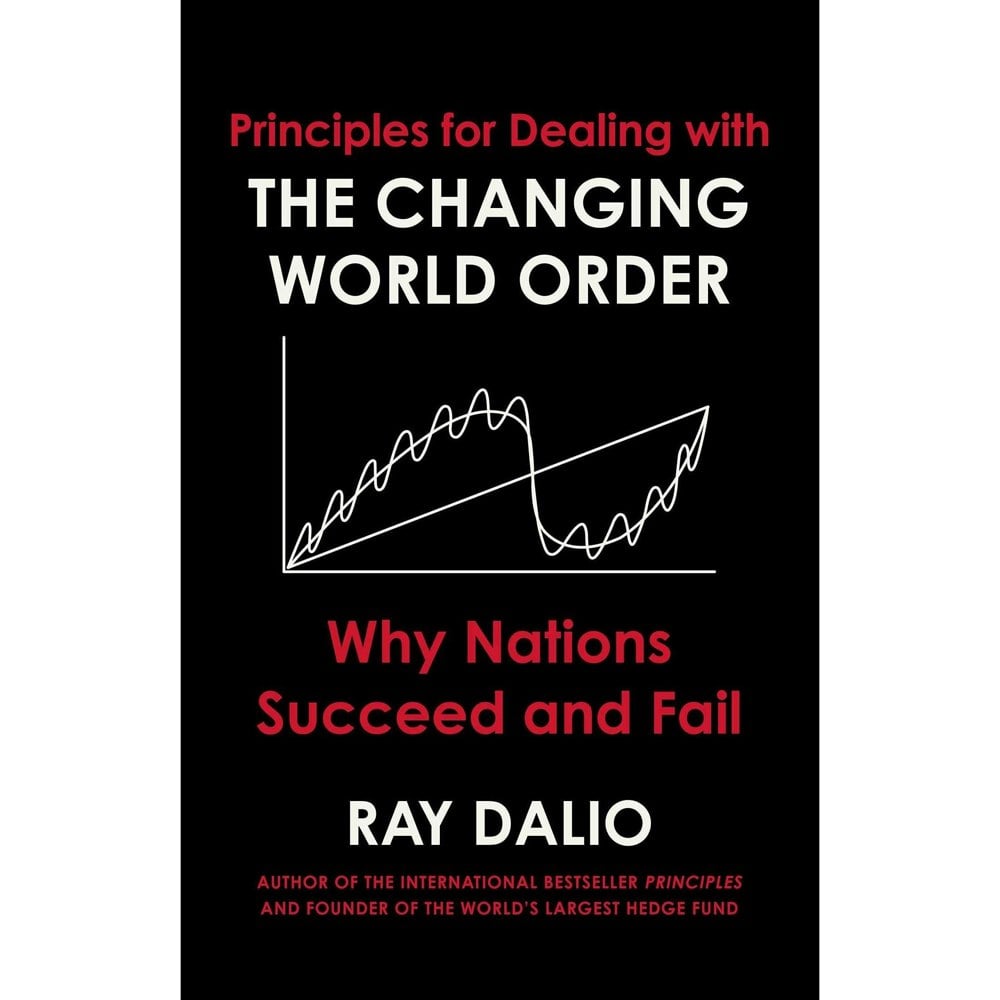
Principles for Dealing with the Changing World Order: Why Nations Succeed or Fail by Ray Dalio
£16.14
£25.00

Sale - Save an extra 5%

Fast & Free Delivery *

Sold by PCS Books LimitedBacked by the Rackhams Guarantee

UK Customer Support
Rated Excellent by Customers on Google
Principles for Dealing with the Changing World Order: Why Nations Succeed or Fail is a book by legendary investor Ray Dalio, the author of the international bestseller Principles. Drawing on half a century of studying global economies and markets, Dalio looks to some of history’s most turbulent economic and political eras to explain why the period ahead is likely to feel radically different from what many people have experienced in their lifetimes.
A few years ago, Dalio identified a confluence of conditions he had not previously encountered, including huge debts alongside zero or near-zero interest rates, and the resulting large-scale printing of money in the world’s three major reserve currencies. He also points to major political and social conflicts within countries, particularly the US, linked to the largest disparities in wealth, politics and values in more than 100 years, as well as the rise of China challenging the US and the existing world order.
Key details
- Author: Ray Dalio
- Part of Dalio’s Principles series
- Examines major economic and political periods in history
- Considers patterns in changes in wealth and power over the last 500 years
- Discusses major empires including the Dutch, the British and the American
Synopsis
Dalio traces repeating patterns and cause-and-effect relationships behind major shifts in wealth and power, prompted by parallels he observed with the period between 1930 and 1945. He studies major empires, including the Dutch, the British and the American, to set out the “Big Cycle” that has shaped the successes and failures of leading countries throughout history. Using these observations, he outlines the forces behind such transitions and offers practical principles for positioning oneself for what lies ahead.
Rackhams Reference : 8IPDDT1TDA
Author
Ray Dalio
This product is supplied by one of our approved partners, PCS Books Limited.
Rackhams brings together a curated group of trusted partners so you can shop a wider range of premium products in one place — all backed and guaranteed by Rackhams.
We remain your single point of contact for every order, managing your experience from checkout through to delivery and after-sales support.
Learn more about the Rackhams Guarantee.

Save an extra 5%
Sale

Save an extra 5%
Sale

Save an extra 5%
Sale
Save an extra 5%
Sale
Save an extra 20%
Sale
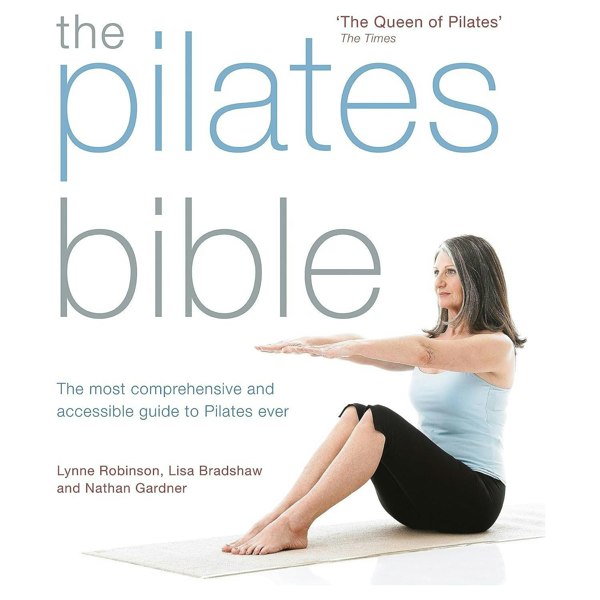
The Pilates Bible: The most comprehensive and accessible guide to Pilates ever
£10.39
£12.99 £19.99

Save an extra 5%
Sale

Save an extra 5%
Sale
Save an extra 5%
Sale

Save an extra 5%
Sale

Save an extra 5%
Sale
Metabolical & Fat Chance By Dr Robert Lustig 2 Book Set
£16.05
£27.98
Save an extra 5%
Sale

Save an extra 5%
Sale
Save an extra 5%
Sale
Save an extra 5%
Sale
Save an extra 5%
Sale
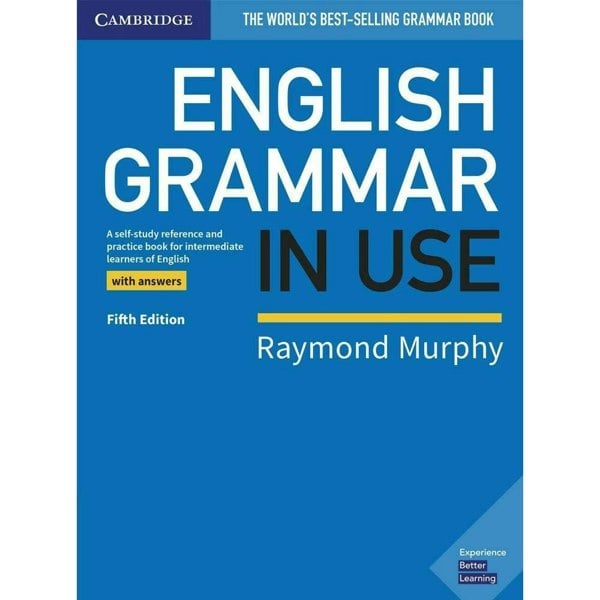
English Grammar in Use by Raymonf Murphy
£14.72
£26.51
Save an extra 5%
Sale
Save an extra 5%
Sale

Save an extra 5%
Sale

Save an extra 5%
Sale
Save an extra 5%
Sale
© 2026 Rackhams Retail Limited
Follow us


Pay securely with:


* Delivery availability varies depending on post code & time of order, an estimated delivery date will be provided at checkout.
Terms & Conditions Cookie Settings Privacy Policy